


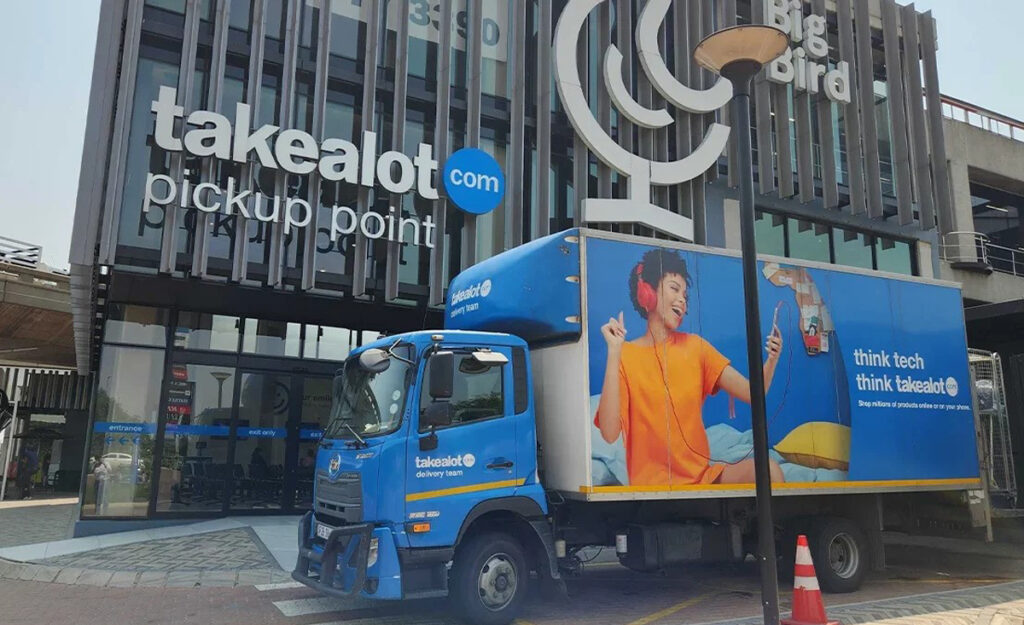
The hijacking of courier vehicles remains a serious issue in South Africa in 2025.
E-commerce activity has taken off in the last few years following the Covid-19 pandemic when many people were forced to take their shopping online.
Even though the lockdown restrictions are long gone, e-commerce has continued to grow at a steady pace in South Africa.
According to the World Wide Worx’s latest online retail report, local e-commerce turnover is expected to reach R130 billion in 2025.
That’s a 35% increase from 2024, and a 330% increase from 2020 when the pandemic kickstarted the shift in consumer purchasing habits.
While this is great news for economic growth and job opportunities, it has also spawned several new opportunities for criminals to make off with valuable goods.
The South Africa Express Parcel Association (Saepa), which represents many of the industry’s largest courier companies, has been warning about the issue as far back as 2021.
Saepa CEO Garry Marshall called for a type of joint task force between businesses and the government to tackle the growing problem.
Unfortunately, this warning did little to bring about meaningful change, as dozens of courier hijackings now take place in South Africa every day.
In September 2024, the last-mile logistics technology company FarEye stated that as many as 25 couriers were hijacked per day.
While the latest crime data from the South African Police Services (SAPS) shows a slight decline in truck hijackings over the past few quarters, this does not tell the full story.
A key issue is that many hijackings and armed robberies go unreported, as the victims have a lack of faith and trust in police capabilities.
Additionally, the relevant crime categories do not define what type of victims were targeted.
Tracker’s Vehicle Crime Index for the fourth quarter of 2024 indicated that criminals are shifting their focus from private cars to fleet vehicles because of the payoff they can expect from nabbing the goods.
“These crimes often happen opportunistically when the vehicle is stopped along its route, for example, at a truck stop or in a driveway during a delivery,” Tracker said.
Takealot responds

Takealot recently told MyBroadband that it was deeply concerned about the safety of its driver partners who were facing armed robberies and theft while carrying out deliveries.
“These incidents remain a serious challenge for the logistics sector in South Africa and have a direct impact on driver partners, businesses, and customers alike,” it said.
The company said it was concerned about the safety of its driver partners and that it has continued to invest in security measures to protect its delivery teams and customer goods.
“While we cannot disclose specific operational details for safety reasons, we are committed to strengthening our systems and processes to support driver partner security.”
Not only do these crimes endanger lives, but they also drive up the cost of goods for consumers.
The pervasive issue of courier hijackings means that logistics operators must invest more in security, covering everything from escort vehicles to camera systems, vehicle tracking systems, control centres, helicopters, and follow-up vehicles.
Courier services have also seen insurance premiums go up for their delivery vehicles, and all of these costs are ultimately relayed to the consumer through higher prices.
FarEye estimates that this factor has pushed the cost of last-mile deliveries from warehouses to homes to between 50% and 100% higher in South Africa than the global average.
Sadly, there is also a cost far greater than higher delivery prices, as several delivery drivers have been assaulted or killed while doing their jobs.
Saepa’s CEO expressed deep concern about the violent nature of these hijacking attempts, stating that a “shoot first, ask questions later” approach is quickly becoming the standard operating procedure for these criminals.
Takealot said that greater cooperation between law enforcement, industry platforms, and the private sector is essential to improving safety for e-commerce drivers in South Africa.





 Loading ...

-facelift-2-2025.10.webp)

