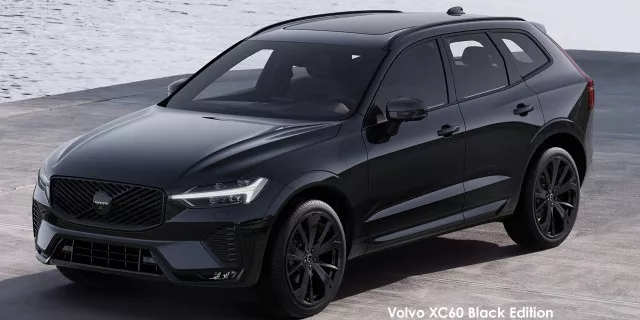
The majority of car owners in South Africa do not have insurance of any kind, putting them at significant financial risk in the event something happens to their vehicles.
This is according to WesBank, which recently highlighted that roughly 65% to 75% of all cars on the roads in South Africa are uninsured.
The finance provider warned that this persistently high statistic illustrates a lack of appreciation for the importance of what it argues is one of the most important economic enablers for many.
WesBank argued that a car is one of the most valuable assets a person can own.
“For many South Africans, a car represents a major investment and a crucial part of their mobility,” said Lebo Gaoaketse, Head of Marketing and Communication at WesBank.
“However, in an effort to reduce monthly expenses, some car buyers elect to cancel their comprehensive insurance policy shortly after taking delivery of their financed vehicle.”
Gaoaketse warned that this practice carries severe financial and contractual risks, as it amounts to a breach of contract.
Consequences of cancelling insurance on a financed vehicle
In South Africa, a standard, non-negotiable condition of any vehicle finance arrangement is that the financed asset (the car) must be covered by comprehensive insurance for the entire duration of the loan period.
If a person cancels their insurance policy while the car is still being paid off, they can be held accountable for a breach of the vehicle finance contract.
“The implications of this breach are severe and could leave the car owner in a precarious financial position,” said WesBank.
In the event the vehicle is stolen, hijacked, or damaged beyond repair, the owner remains liable for the outstanding debt to the finance provider.
This means the individual will be forced to continue paying monthly instalment for a vehicle they no longer possess or cannot drive.
For this reason, finance providers are legally entitled to ensure compliance, and can initiate regular checks to verify the existence of a consumer’s valid comprehensive insurance policy.
If a person fails to provide proof of insurance, the financier may be forced to institute a limited insurance cover to protect their interests against a total loss.
The premium for this cover is debited to the customer’s account, which is incorporated into the monthly instalment.
This type of cover is usually limited and does not include options like third-party cover.
WesBank noted that the temptation to cut costs is understandable in this challenging economic environment, but warned that insurance is not one of the things you should sacrifice.
“Comprehensive insurance is a non-negotiable safety net. When a vehicle is financed, it’s compulsory to maintain comprehensive cover, as stipulated by the finance contract and supported by the National Credit Act,” said Gaoaketse.
“Cancelling your insurance, particularly during tough times, is a short-term saving tactic that can result in a catastrophic, long-term debt burden.”
“Should the worst happen, the buyer remains liable for the full loan settlement on a vehicle they no longer have. This is why we advise customers to review their policy for possible premium adjustments rather than cancelling it altogether.”


 Loading ...
-facelift-2-2025.10.webp)