What to know about hail damage to your car in South Africa


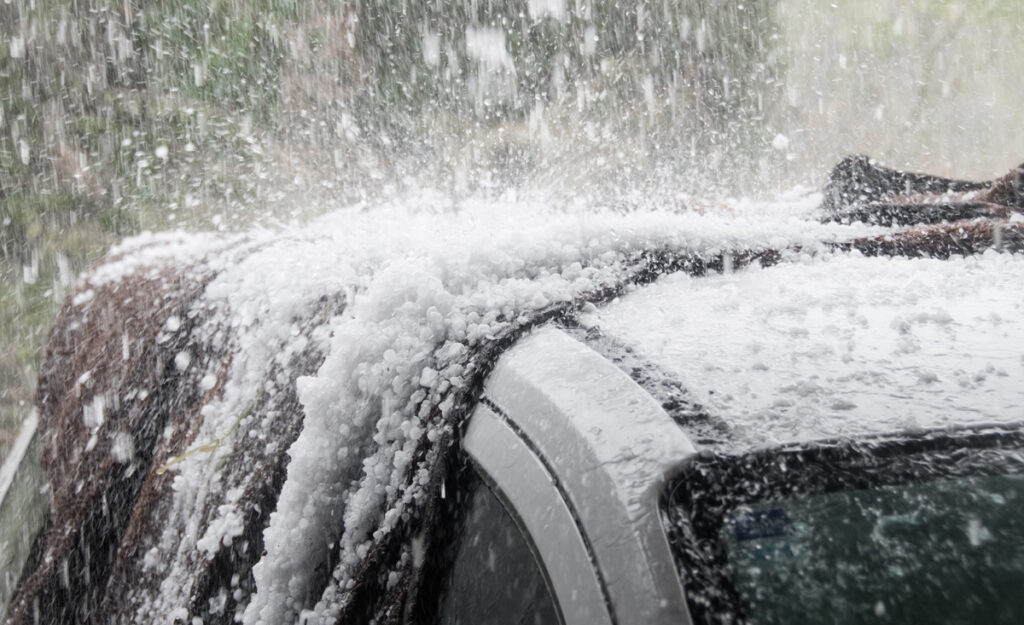
Many parts of South Africa have experienced severe weather recently, including significant amounts of hail.
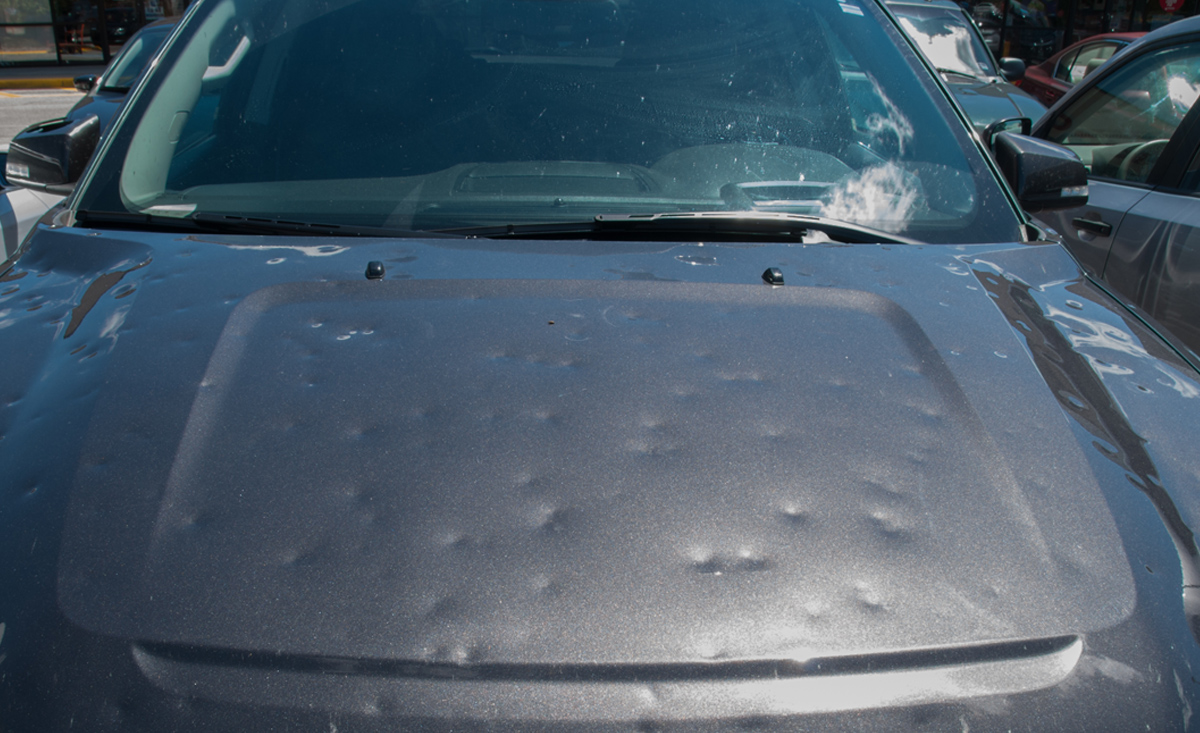
Gauteng was particularly badly affected as hail destroyed roofs, flooded roads, and undoubtedly dented many vehicles – but many other provinces like KwaZulu-Natal and Mpumalanga are frequented by severe hailstorms at this time of the year.
Generally, when the sky turns hostile and these intense hailstorms hit, car owners have little to no warning, and no time to react. It is also unsafe to go out in the hail and move your car to cover.
The South African Motor Body Repairers Association (SAMBRA) urges motorists to familiarise themselves with the correct course of action to take if their vehicle sustains damage in a hailstorm.
Here are five steps that SAMBRA advises motorists to take after their vehicle is caught in a hailstorm:
- Assess the damage and avoid any attempts at DIY repairs.
- Notify your insurer promptly and understand their assessment process.
- Whichever type of repair you opt for, only use accredited repairers.
- Don’t delay repairs – especially when paint damage is visible.
- Request a clear explanation of the repair method recommended for your vehicle.
Juan Hanekom, the national director of SAMBRA, says their are typically two courses of action for motorists – paintless dent removal and a full motor body repair.
“Hail damage can be repaired quickly and cost-effectively using paintless dent removal (PDR),” said Hanekom.
“But it’s important to know when PDR is appropriate and when the damage requires a full motor body repair.”
Paintless dent removal is a method where dents are massaged out of the body panel without damaging or affecting the vehicle’s paintwork.
Hanekom explains that this is ideal when the damage sustained did not crack, chip, or scratch your vehicle’s paint.
Furthermore, the dents must not be too large. Small to medium-sized dents, where the metal has not been stretched, can still be fixed using the paintless dent removal technique.
Paintless dent removal also requires the technician to access panels from behind, as specialised metal rods and picks are used to reach behind the panel, either through panel gaps or by removing interior trims.
This is typically a cost-effective method that protects the integrity and resale of your vehicle.
“It’s faster, more affordable and preserves the original factory paint, which is always the preferred outcome where possible.”
He explained that if the damage is more severe, such as cracked or chipped paint, deep dents, or damage that has affected structural components, paintless dent removal is no longer an option.
“Once the paint surface is compromised, you’re no longer dealing with a cosmetic dent.”
“In these cases, PDR is no longer the right tool. You will need professional refinishing and, in some cases, panel replacement.”
This assessment should be made by an accredited motor body repairer.
What to do if you are caught in a hailstorm
Santam recommends several steps you should take if you are caught in a hailstorm while driving, to ensure both your own safety and the integrity of your vehicle.
1. Stop driving – according to Santam, the impact of the hail on your vehicle is greater if you keep moving, making the damage greater.
2. Pull into a safe space – don’t stop under an overpass (bridge), as this is a safety risk due to other traffic.
Try get to a petrol station or shopping centre with undercover parking, and maintain speeds under 50km/h.
3. Turn your car – it is better that the hail hits your car from the front, rather than the back.
In cases where you can’t find cover, it is better that the hail hits your windscreen rather than your rear window, as the windscreen is reinforced to withstand strong forces from the front.
4. Wait until it’s safe – wait until it has stopped hailing before you carry on driving, if your car is driveable.





 Loading ...
-facelift-2-2025.10.webp)