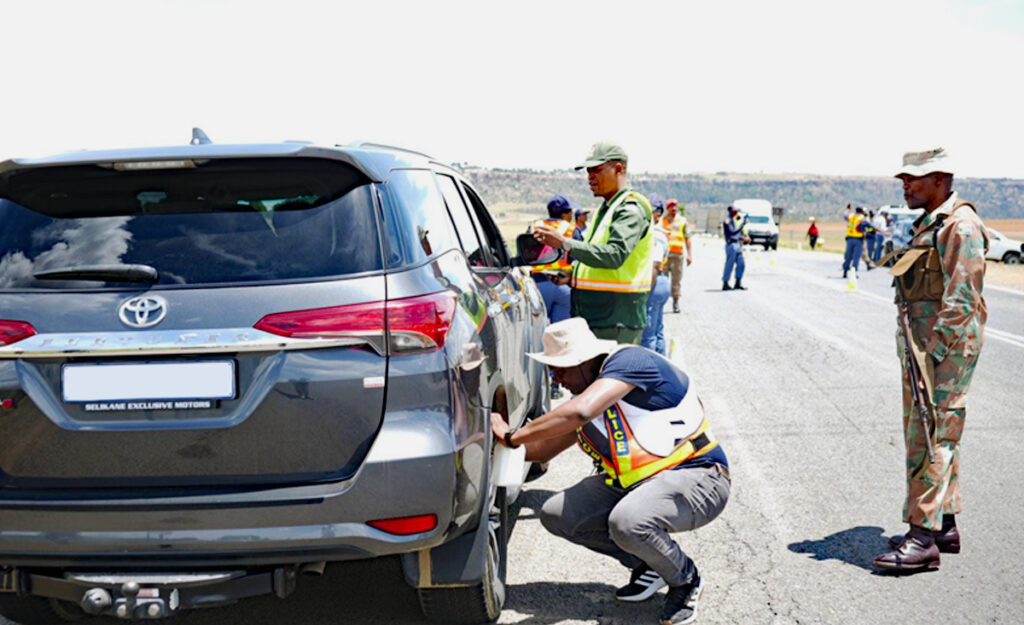
South Africa’s shutdown period is here, and for many, this means it is time for a long-distance road trip across the country to see family.
This means South African roads get extremely busy, with significant spikes in road fatalities each December. The Transport Ministry reported 512 deaths in the first two weeks of December 2024 alone.
Each year, law enforcement ramps up its efforts to reduce the number of fatalities, with Transport Minister Barbara Creecy stating that the festive period requires heightened vigilance as millions travel for holidays, family gatherings, and year-end celebrations.
Creecy announced that South Africa has reached a significant milestone in reducing road deaths.
“For the first time in five consecutive years we have this year managed to reduce the road death toll by 700 people,” said Creecy.
However, the overall numbers remain concerning.
“With over 9,400 fatalities on our roads already this year [as of November 2025], we all agree that the accident rate is much, much too high, and there is still a lot more work that we have to do,” the Minister said.
Clamping down
To combat road accidents over the festive season this year, the Transport Department has launched the 365-day Arrive Alive Road Safety Campaign.
The campaign emphasises that safer roads depend on every driver, passenger, and pedestrian making responsible choices.
The campaign theme is ‘It Starts With Me.’ Creecy stressed that most crashes are preventable and linked to human behaviour.
“We have chosen this theme to highlight the point that each and every one of us has an important role to play in reducing road accidents and road fatalities,” said Creecy.
“Drivers, pedestrians and passengers make important choices on the roads every day. When we make the right choices, we arrive alive.”
The campaign will focus on behaviour change, enhanced law enforcement, and 24-hour patrols in high-risk areas, said the Transport Department.
It identified several priority routes, including the N1, N2, N3, N4, and N17, as well as notorious secondary roads.
“Research shows weekends, late-night travel and fatigue periods are high risk. We will increase roadblocks, checks for vehicle roadworthiness, driver licenses, seatbelt and child-restraint use, as well as clamp down on speeding and drunken driving,” Creecy said.




 Loading ...

-facelift-2-2025.10.webp)