With technological advancements continuing to change the way the world buys, used car dealerships are being forced to adapt to new buying trends to satisfy customers.
This means adopting new strategies, digital execution, and even implementing the use of artificial intelligence.
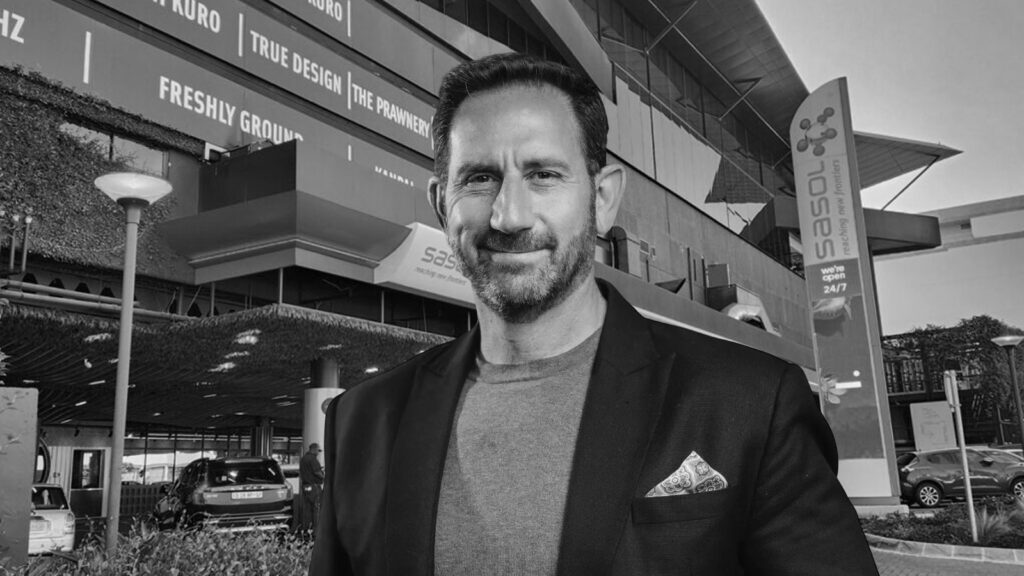
According to George Mienie, CEO of AutoTrader, the South African automotive industry won’t be reshaped by sudden disruption, but rather steady, measurable buyer behaviour changes.
With greater access to resources, local car buyers are entering the market better informed than ever before, forcing dealerships to improve digital capabilities.
The adoption of artificial intelligence is playing a greater role in guiding buying decisions, which makes life easier for both consumers and dealerships.
AutoTrader reports this shift is taking place not just because of the availability of this technology, but also as a result of how it supports human judgment and trust.
The company’s data shows an increase in online engagement, averaging a 19% year-on-year increase on its own platform.
This highlights the shift in how vehicles are being bought and sold, with buyers spending more time online before making a purchase.
Buyers are spending more time on research, comparing different models, and narrowing their own choices before even stepping into a dealership.
Dealerships are then forced to ensure pricing accuracy, work on vehicle presentation for online views, and fast response times to ensure business gets done.
The behavioural changes in how buyers make these decisions have a direct influence on demand patterns.
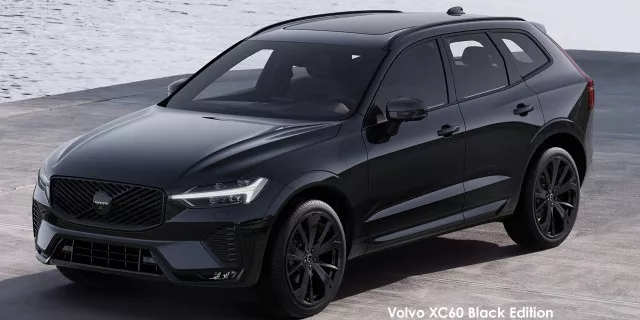
AutoTrader highlights that SUVs remain the strongest-performing segment, growing from 123,085 units sold in 2024 to 129,166 in 2025, marking a 5% increase, reinforcing it as South Africa’s shape of choice.
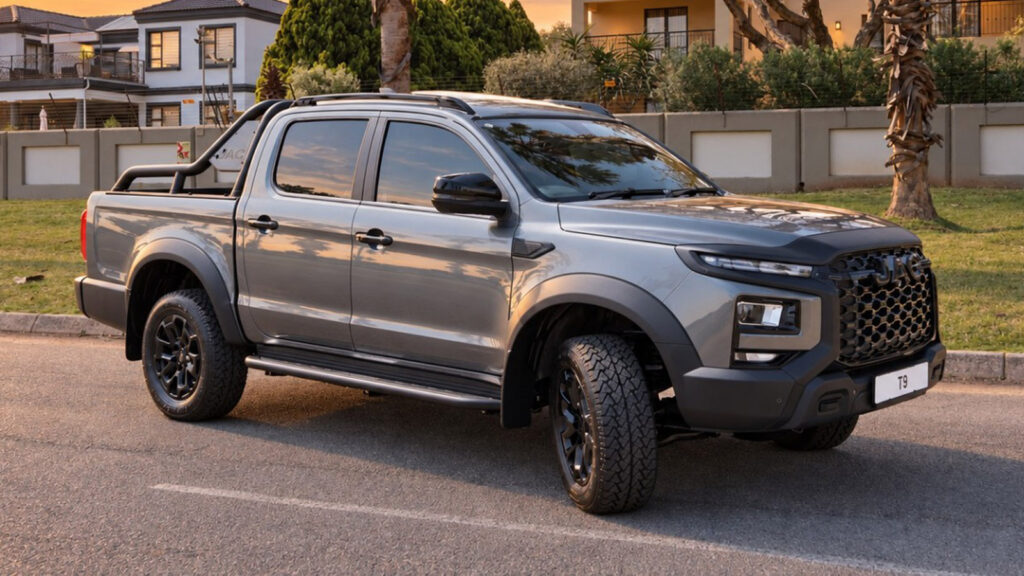
Double-cab bakkies recorded a steady 3% growth, while demand for traditional hatchbacks and sedans continues to soften.
Staying ahead of the pack

For used dealerships to continue to perform, they need to adapt to what customers are doing and change with them.
Buying trends can have a real impact on dealerships’ operations, including stocking strategies, floorplan exposure, and days-to-sale.
Dealerships need to adapt quickly to stock high-demand categories, which require sharper pricing discipline and faster decision-making.
Consumers, who have done their own homework, expect dealerships to align with their needs and adapt their retail strategy accordingly.
Customer expectations also continue to evolve, meaning dealerships must adapt to new technology that enables, for example, virtual vehicle walkarounds.
Transparent pricing and online negotiation are no longer differentiators; they are fast becoming baseline expectations for consumers.
All of this is driving increased investment not only into digital channels, but also into how those channels integrate with the customer’s in-store experience.
Adapting to changes in artificial intelligence to strengthen rather than replace human expertise has become a necessity for used car dealerships.
AutoTrader Intelligence is an example of this adaptability, by incorporating AI with live market data and deep automotive insight to support consumer decision-making.
At the end of the day, South Africa’s automotive landscape is changing as a result of buyer behaviour.
For buyers who want clarity and trust, and dealers who need efficiency and resilience, intelligence and technology now represent the centre of the relationship.
This way, faster and more confident decisions can be made on both sides of the transaction.
AutoTrader believes that success in 2026 will belong to dealerships that embrace data-led insight, invest in transparency, and embed human-centric tools into their everyday operations.
“The most meaningful change we’re seeing isn’t about replacing people with technology, it’s about equipping both dealers and buyers with better information and tools that support confident decisions,” said Miene.
“As behaviour shifts online and expectations rise, intelligence becomes the glue that strengthens trust, improves efficiency, and ultimately creates a more resilient automotive ecosystem in South Africa.”




 Loading ...
-facelift-2-2025.10.webp)