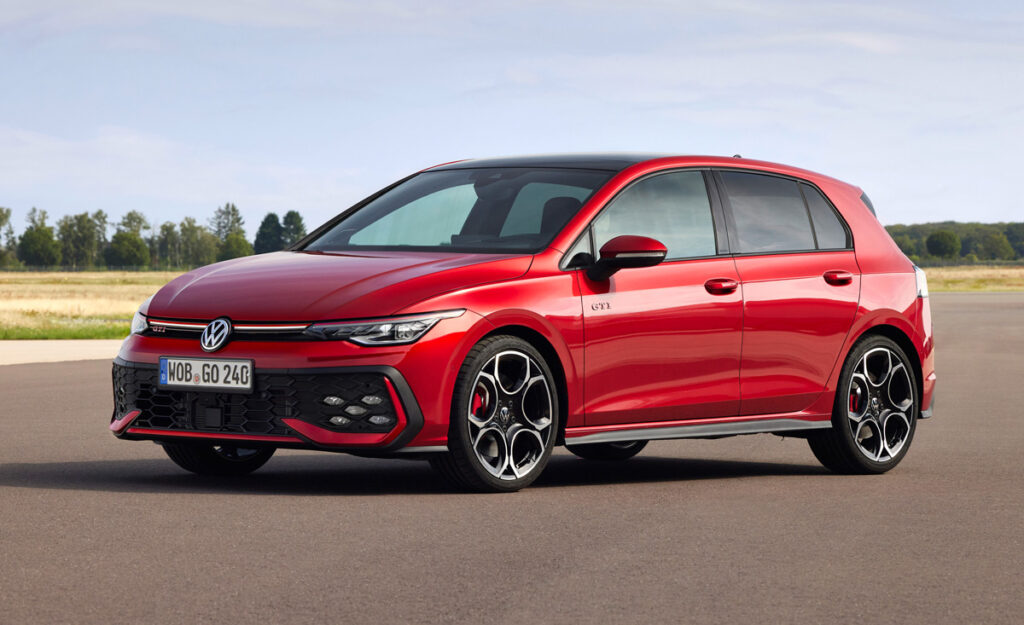
When VW introduced the Golf 8.5 GTI at the back end of last year, its release had been a year in the making, facing delays due to the poor quality of fuel in South Africa.
The Golf 8.5 GTI officially launched in November 2025 with a R908,000 price tag for one of South Africa’s favourite hot hatches.
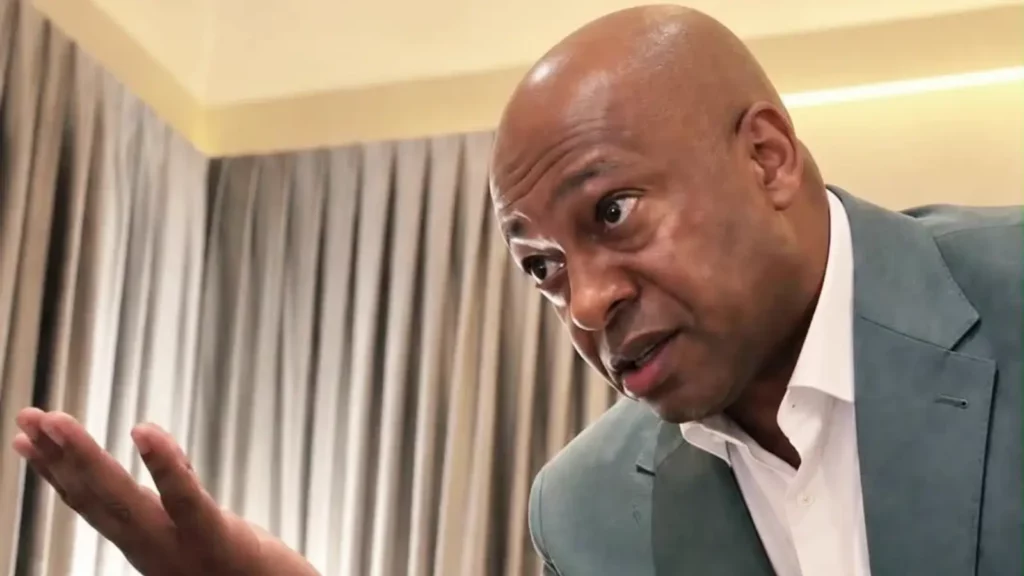
Speaking to Cars.co.za, Karl Beyleveld, an automotive engineer at VW Group Africa and a fuel quality representative for Naamsa, said plans to introduce the GTI began in 2024, but quality concerns right out of the gate delayed the launch.
He confirmed that the major concern was high levels of iron and sulfur across all fuel types and grades in South Africa, which would have had detrimental effects on the vehicle and its performance.
Different regions in South Africa also had different levels of iron and sulfur in both petrol and diesel, forcing the German carmaker to conduct tests, running the vehicle in these regions to see how it would affect the GTI.
VW ran tests up to 60,000km with two vehicles, with Beyleveld conducting regular testing on the parameters that would affect the vehicle’s performance and emissions.
He explained that dirty fuels can cause a build-up of iron oxide, which coats the catalytic converter, effectively disabling the emissions equipment.
“We really couldn’t launch the vehicle because it has a relatively specialised piece of emissions equipment in it,” he said.
“Even for the regular customer, this was a topic that needed to be addressed quite urgently.”
Beyleveld detailed the effects iron in fuel can have on a car, noting that its effects can be immediate, leading to engine misfires, a jerky ride, and even causing the engine malfunction light to come on.
“The reality is, the effects of iron and also of manganese, for that matter, are irreversible,” he said.
Beyleveld confirmed that it was due to the wait for cleaner fuel that VW was forced to postpone the introduction of the Golf 8.5 GTI locally.
The road to cleaner fuel

Upon the discovery of South Africa’s “dirty fuel” and the effects it would have on high-performance vehicles, Beyleveld conducted further tests, relying on the data to determine whether the GTI could be released.
“We get regular test data for both petrol and diesel, which we analyse, and in most cases we also do a lot of our own work,” he explained.
“In understanding what we needed to do for the GTI, we also needed to understand what we had to do from a fuel quality trend point of view.”
With the data in hand, Beyleveld approached the Fuels Industry Association of South Africa (FIASA) to introduce a limit for iron in South Africa’s fuel, leading to consultations with fuel brands, the South African Bureau of Standards (SABS) and FIASA.
Through collaborative efforts and with South Africa’s fuel refineries on board, they were able to introduce cleaner fuel, allowing for the launch of the 8.5 GTI.
The next big step for cleaner local fuel is the imminent introduction of Clean Fuels 2, which has been part of the planning for South Africa for years.
“Clean Fuels 2 has been a long time coming. It has been on the cards for South Africa for approximately ten years, and was meant to come in in 2017, and now finally confirmed for 2027,” explained Beyleveld.
“The challenge for us, which remains, is that there is always something to do with fuel quality that we need to address, but it was a step-by-step process.”
Once introduced, the Cleaner Fuels 2 programme will mean national availability of ultra-low sulfur fuels, with as little as 10ppm for both petrol and diesel.
“That is quite a big step for South Africa, but it has been some time coming,” he added.
Cleaner fuels will also mean more high-performance vehicles being launched in South Africa, as these are much more sophisticated than older models.
“We need the clean fuels to unlock various different models,” Beyleveld admitted.
He said VW’s introduction of New Energy Vehicles (NEVs) has been particularly affected, as the GTI was meant to be the test-run to see which products would follow.
Waiting in the wings, the German auto giant has a range of models ready to be introduced in South Africa, but only once cleaner fuel becomes available.
Beyleveld noted that he has tests lined up for both 2026 and 2027 to ensure that the new industry standards are adhered to.




 Loading ...