3 major car brands that have closed dealerships in South Africa – And what’s taking their place


The last few years have seen a major shift in South Africa’s car market with several legacy brands reporting dwindling sales while new marques have expanded at a rapid pace.
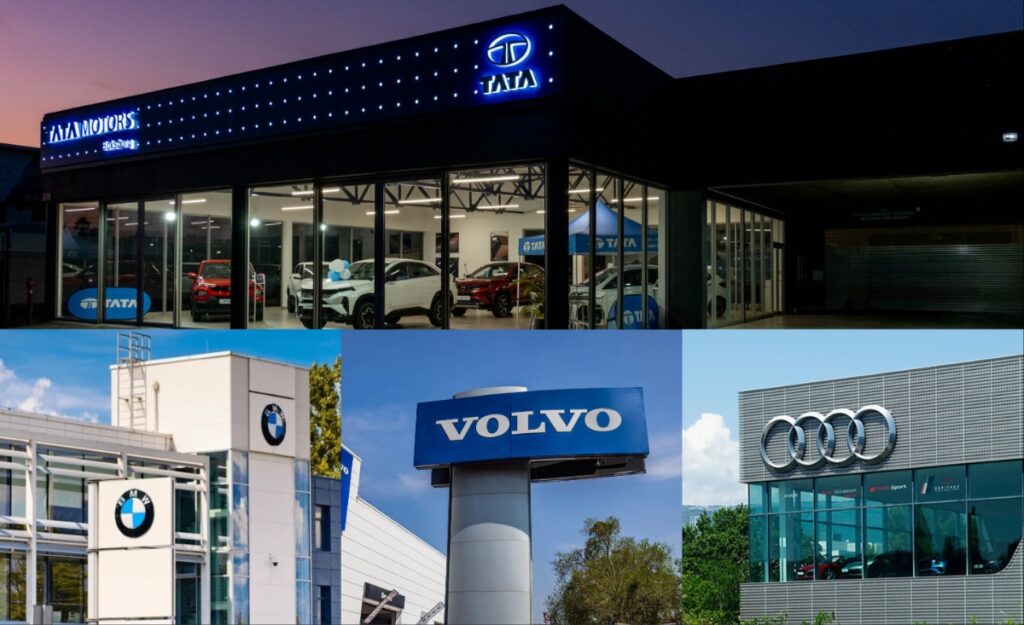
This has primarily affected the luxury market, as three different carmakers – Audi, BMW, and Volvo – have all closed dealerships within the last year.
At the same time, new brands from India and China are opening dealer networks with dozens of outlets, reflecting the evolving needs of consumers during a period of financial uncertainty.
Motus, one of South Africa’s largest automotive retailers, has been impacted by this transition, as it laid off 67 employees in January 2026, following a re-evaluation of the division’s operational performance and requirements in July 2025.
“SA Retail, which employs 4,000 people across its dealership network, needed to realign the business in response to the current competitive South African automotive retail landscape,” said a company representative.
However, SA Retail was able to identify arrangements, including redeployment across the broader Motus Group, for 74% of affected employees.
The Motor Industry Staff Association (MISA) cited the influx of Chinese car brands for the retrenchments, claiming that it had resulted in severe pressure and competition for legacy automakers and dealerships.
Audi
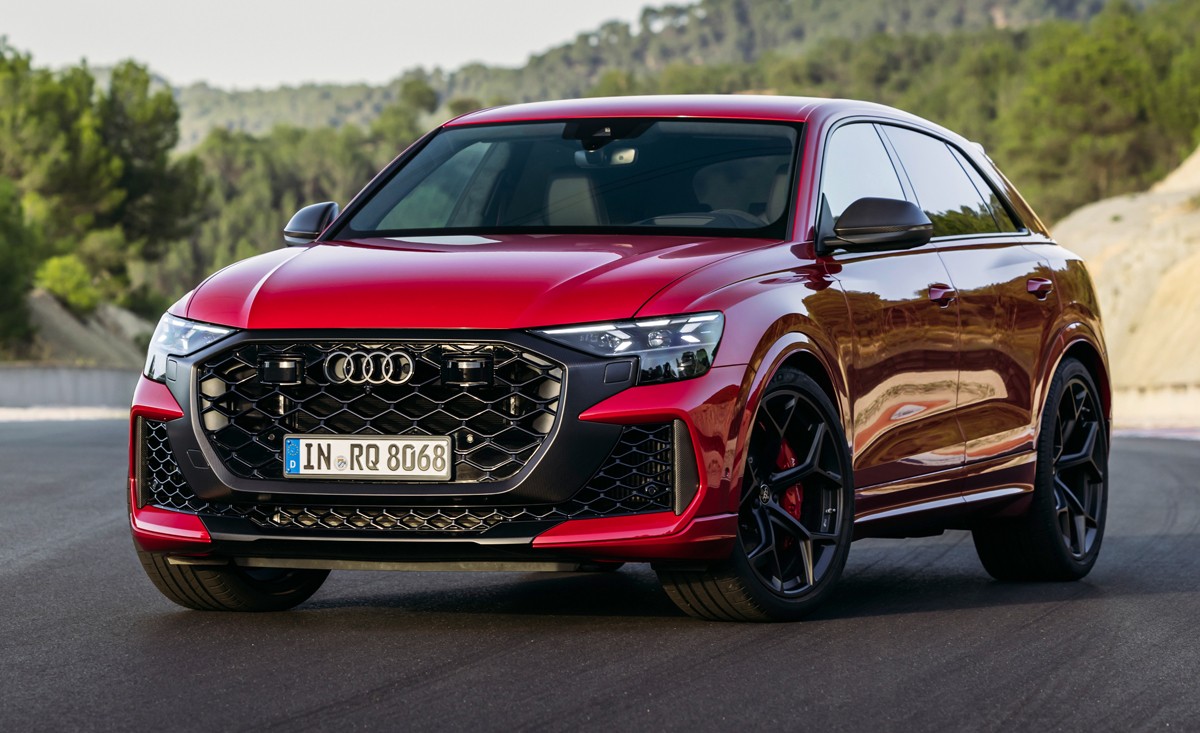
In April 2025, Audi published a statement reflection on the state of the premium automotive sector in South Africa, noting that had faced significant pressures in recent years.
The German automaker commented that there is a noticeable buying-down trend in South Africa, driven by high inflation, rising interest rates, and a weaker exchange rate.
“This has intensified both affordability pressures on the consumer side and pricing pressures on the manufacturer side,” said Audi.
“This has prompted buyers to explore alternative options from new brand entrants primarily targeting the price-sensitive volume segment with well-equipped vehicles.”
Audi then announced that it had proactively implemented an “optimised footprint strategy in South Africa.”
This prompted speculation as to whether Audi was closing some of its dealerships in response to market conditions, but the manufacturer neither confirmed nor denied these reports.
However, MISA later told Engineering News that at least four Audi branches would close over the coming months.
BMW
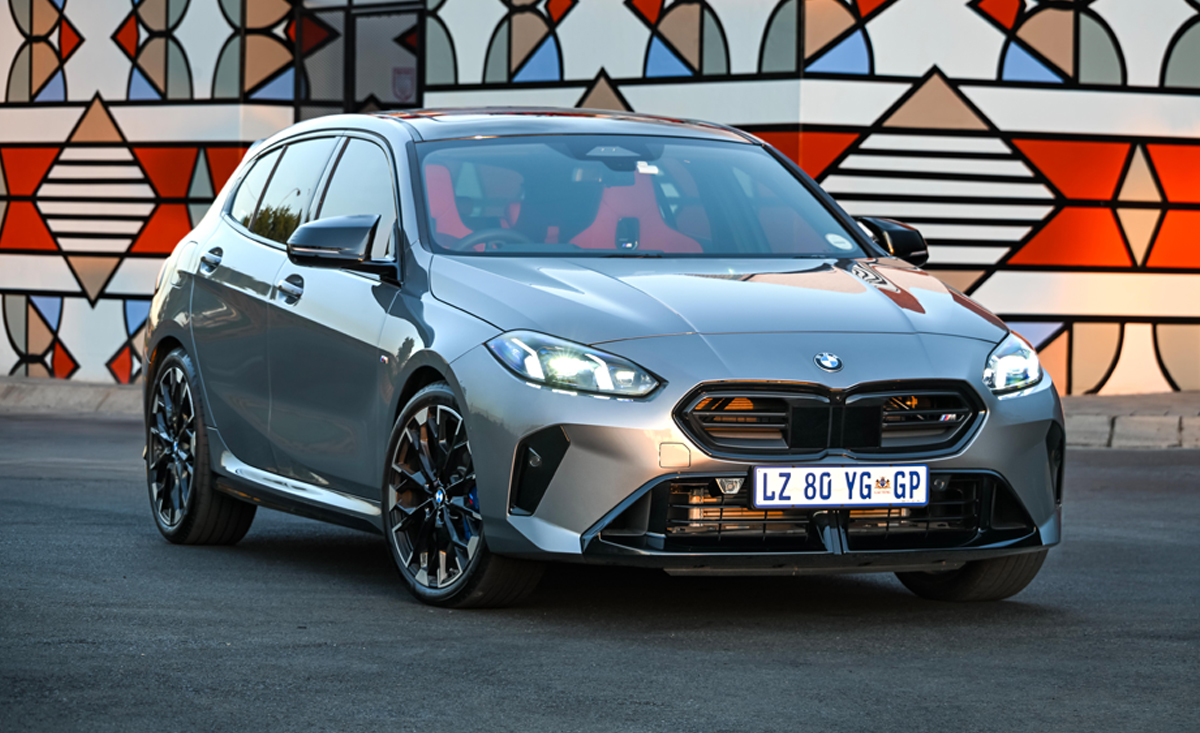
BMW’s downshift has been far more gradual, as the German marque had a network of 55 dealerships in 2015, which dropped to 46 outlets by the end of 2024 – a reduction of 16%.
The declining dealer numbers correlate with the brand’s lowering sales, as BMW sold 24,521 cars in 2014, compared to 12,145 units a decade later, according to data from the Automotive Business Council.
A spokesperson for the company previously told TopAuto that the dealership closures were due to several factors including:
- Trading conditions
- Scaling down to service-only operations
- Consolidation to achieve operating efficiencies
The rand’s deteriorating value has been a key area of concern for BMW, dropping from R10.20/US dollar to R16.07/US dollar as of February 2026.
“Therefore, all brands needed to increase vehicle prices above normal inflationary and production cost increases, which also placed the premium segment into a new price bracket, encouraging a buying-down trend,” said BMW.
The good news is that BMW’s sales have stabilized over the last five years, and the brand has invested millions of rands into its Rosslyn factory in Gauteng to produce the fourth-generation X3 SUV.
Volvo

Volvo Car South Africa underwent a significant downsizing operation in 2025, closing 12 out of its 19 dealerships.
A company representative told TopAuto that the measure was part of a “long-term brand strategic realignment,” but that it remains fully committed to our market.
News of Volvo’s dealer closures came after the brand reportedly began issuing notices to implicated outlets, and that it unexpectedly began collecting vehicles from showrooms ahead of agree-upon closure dates.
This drew significant backlash from industry stakeholders, including one dealer manager who claimed that they had invested R10 million in their facility, and only expected to receive R500,000 in parts buy-backs following the site’s closure.
MISA also claimed that Volvo didn’t inform it of its plans, despite representing more than two thirds of Volvo’s local workforce.
Volvo explained to TopAuto that the affected dealerships had been identified following an inspection of each site in 2024 to determine its value to the brand.
The decision on which dealerships to close was “based on those aspects as well as the sales potential for each location,” it said.
The new kids on the block

While legacy brands like Audi, BMW, and Volvo have closed dealerships in South Africa in recent years, newcomers from India and China have launched with expansive networks over a relatively short period.
Most recently, Tata Passenger Cars declared that it has established 45 dealers in South Africa, following its relaunch in the country in August 2025.
The Indian carmaker said it had originally planned to set up 40 dealers in its first 12 months of operating, but this target was exceeded in under six months thanks to strong demand.
“The introduction of the Tata brand and our model range have been so well received by the public and dealers alike that we have been able to exceed our target,” said Daphne Greyling, GM of Dealer Sales for Tata Motors Passenger Vehicles SA.
Tata plans to open at least more three locations by the end of February, and aims to have over 50 dealers by the end of 2026.
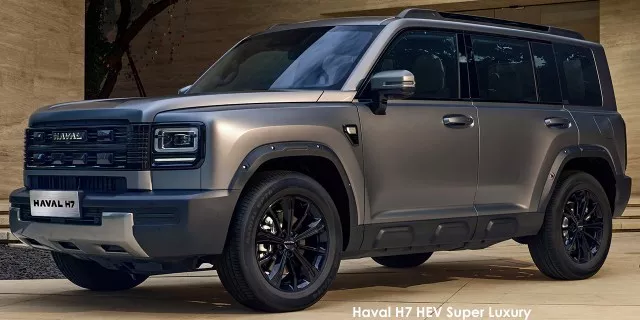
Chinese brands, meanwhile, have entered the country in droves over the last two years, with six new companies – Changan, Deepal, Dongfeng, Geely, Leapmotor, and MG – all opening their doors in 2025 alone.
Changan already has 25 outlets, while MG opened with 30 and aims to double that figure over the next two years.
Jetour, one of the many automakers under the Chery umbrella, launched here in 2024 with 47 showrooms, and Lepas – the newest Chery brand – will launch with a network of 32 dealers this March, illustrating the rapid expansion of Chinese car brands across South Africa.


 Loading ...