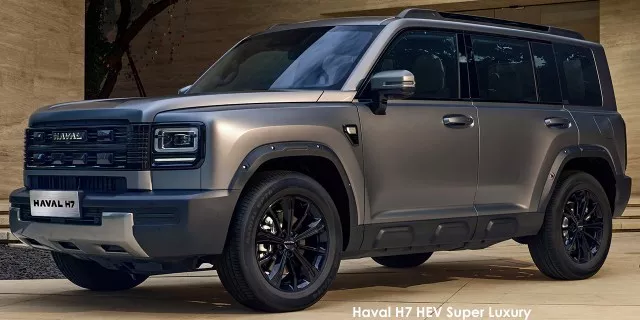
Concerns have been raised over Volkswagen South Africa’s plans to pivot its business strategy to cater to African markets, as demand for its cars declines in Europe.
VW has a factory at Kariega in the Eastern Cape, which produces the Polo hatchback for the local market and for export
However, the company is facing an existential threat due to the rise of new-energy vehicles (NEVs), coupled with new regulations restricting the sale of internal combustion engine (ICE) models.
Over 70% of the cars produced at Kariega are shipped overseas to key markets in the United Kingdom and the European Union, but these regions have imposed new restrictions for carmakers.
Companies have to meet strict sales thresholds for hybrid and electric vehicles over the next decade, meaning a petrol hatchback like the Polo does not count towards this goal.
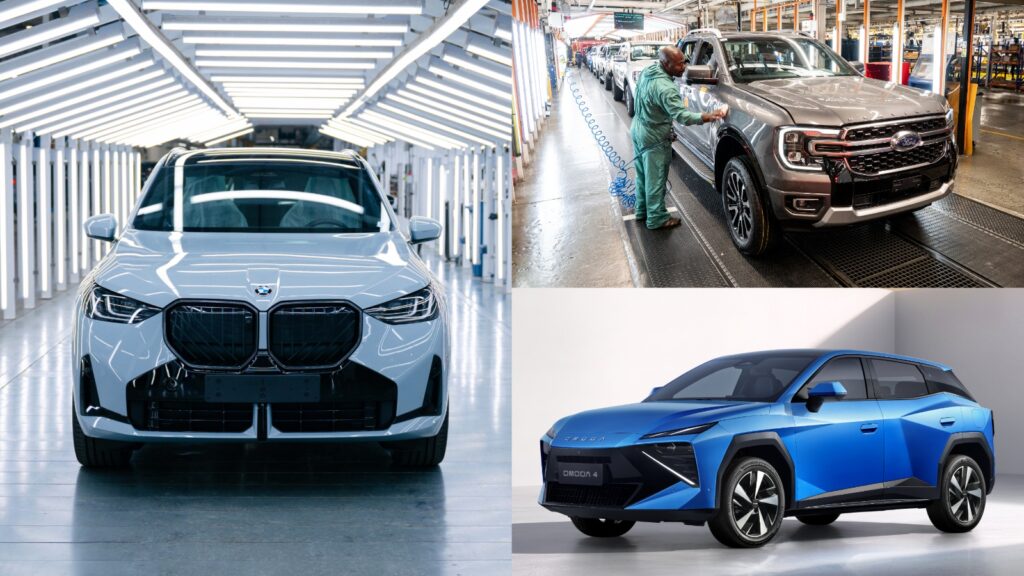
VW is not the only South African manufacturer with this issue, as BMW, Ford, Mercedes-Benz, and Toyota also export most of the vehicles they produce here.
The difference is that these other companies have already come up with strategies to protect their long-term business.
Ford and BMW, for example, recently started assembling plug-in hybrid (PHEV) versions of the Ranger bakkie and X3 SUV, respectively, which can be sold in markets like the EU.
Hiten Parmar, a member of the Electric Mission, highlighted that Europe accounted for R182.8 billion, or 62.8%, of South Africa’s total automotive export value of R291 billion in 2025.
In contrast, VW’s Kariega plant lacks NEV manufacturing capacity, and the brand does not sell a single hybrid or electric car in South Africa.
Rather than upgrading its assembly line to produce NEVs, VW South Africa plans to shift its export strategy to sell ICE cars to the rest of Africa.
Volkswagen Group Africa CEO Martina Biene has described Africa as the “last frontier” for automotive growth.
She reasoned that African countries have been slower to adopt EVs than Europe and that there is still significant demand for petrol and diesel vehicles.
However, there are flaws with this argument; the first being that EV prices are expected to reach parity with ICE models by 2028.
Price is one of the primary reasons why EVs have yet to see widespread adoption in Africa.
Used cars are king in Africa

In developed markets like the UK, many EV models are already cheaper than comparable ICE models with a similar mileage and age.
Many of these cars are expected to make their way to Africa in the coming years.
While South Africa does not permit the local sale of pre-owned vehicles from foreign markets, 49 other African countries do.
This policy has played a critical role in reducing vehicle costs for African consumers, improving access to transport and driving economic growth.
Importantly, the new African Continental Free Trade Agreement aims to make the cross-border movement of cars much easier.
This will benefit another automotive powerhouse, Morocco, which recently overtook South Africa to become the largest car producer on the continent.
Parmar argued that new market developments in Africa will not be achieved in the short term, at least not until 2030 to 2035.
“Africa’s automotive market is highly reliant on used vehicle imports, where affordability is a key driver,” he said.
“Access to new vehicles is far out of reach for the majority of Africans.”
Another factor to consider is that African countries are moving to reduce their dependency on imported fossil fuels by shifting towards locally-generated renewable energy.
The dangers of relying on imported oil were recently thrust into the spotlight by the US Iran war, which caused fuel prices to spike worldwide.
This led to a surge in EV sales in many countries, including South Africa, which set new EV sales records in April and May 2026.
Ethiopia has already banned the sale of new ICE vehicles, and Morocco is mobilising to capitalize on the growing demand for EVs.
Missed opportunity for VW South Africa
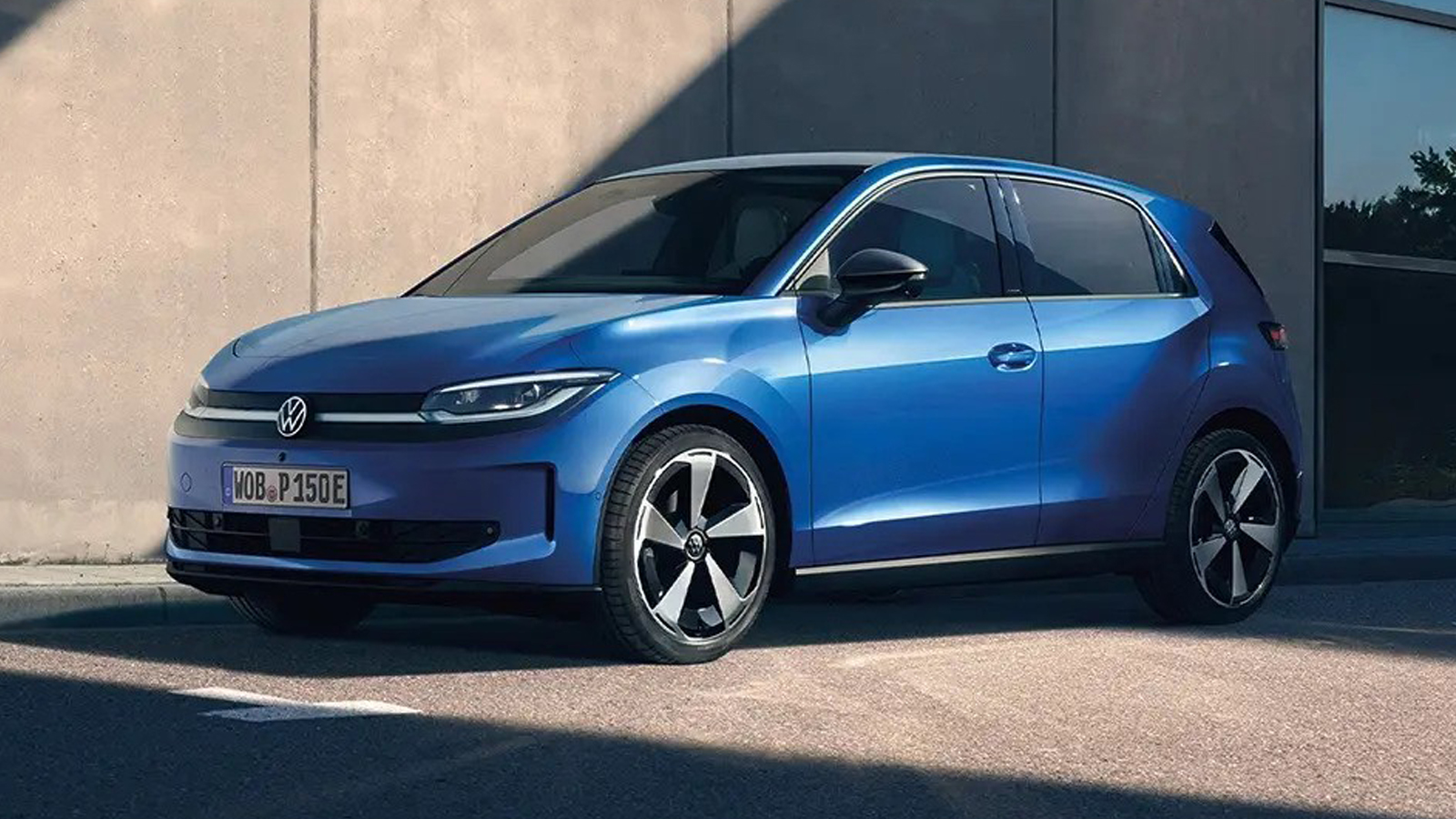
Parmar believes that Kariega has missed an opportunity to become Volkswagen’s manufacturer for its new mass-market EV, the ID Polo.
“As the primary global manufacturer of Polo to date, the ID Polo would have been a great opportunity for a transition of local manufacturing to BEV, as ‘the people’s car’,” Parmar said.
“With all the celebrations of VW South Africa, the ID Polo would have been a flagship not only for VW SA, but for VW Group Africa.”
The electric ID Polo made its debut in April 2026 and is now in production at the SEAT and Cupra Martorell plant and Volkswagen Navarra plant in Spain.
In Europe, the ID Polo starts at €25,000 (R470,000) in Europe, which is less than what South African consumers are paying for the Polo R-Line (R499,100).
With that in mind, European consumers are unlikely to switch to the regular Polo for much longer, given that the ID is newer, has extra features, and much lower running costs.




 Loading ...