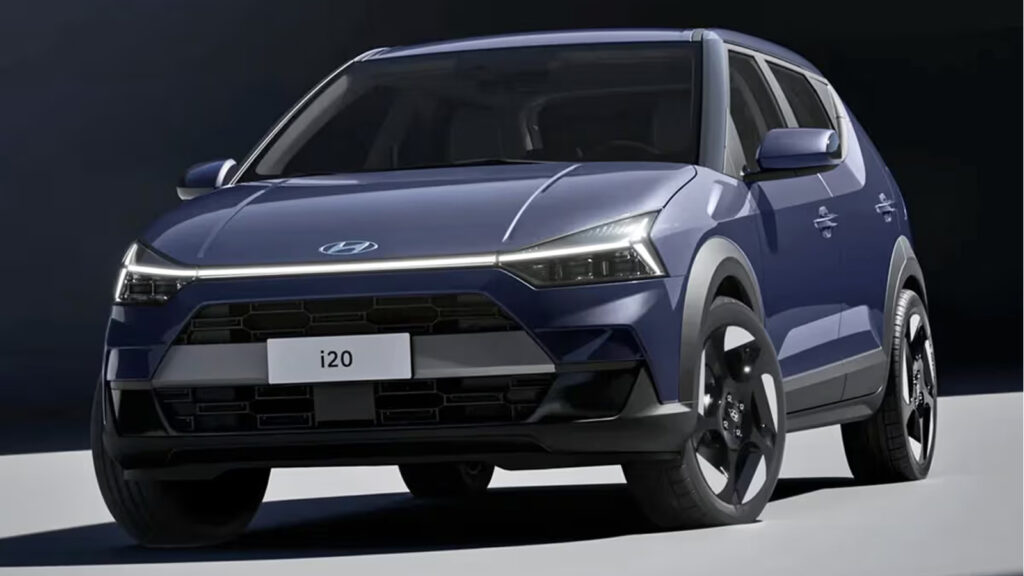
Hyundai has officially unveiled the next-generation i20 hatchback.
The small car has received a substantial overhaul with a new body that seems to split the difference between a hatchback and a crossover.
The body itself also has a striking new look with elements borrowed from the South Korean automaker’s Ioniq line of electric vehicles.
The new model was revealed in Brazil, but it is currently unknown whether this design will be introduced in other markets such as India, which is where the South African units are sourced from.
That being said, the i20 is one of Hyundai South Africa’s most popular cars, so there’s a fairly good chance we’ll see this new version make its way to our shores further down the line.
Even if this ends up not being the case, the hatchback is a fascinating showcase of the brand’s design language for its new vehicles going forward.
Hyundai’s next-gen hatchback
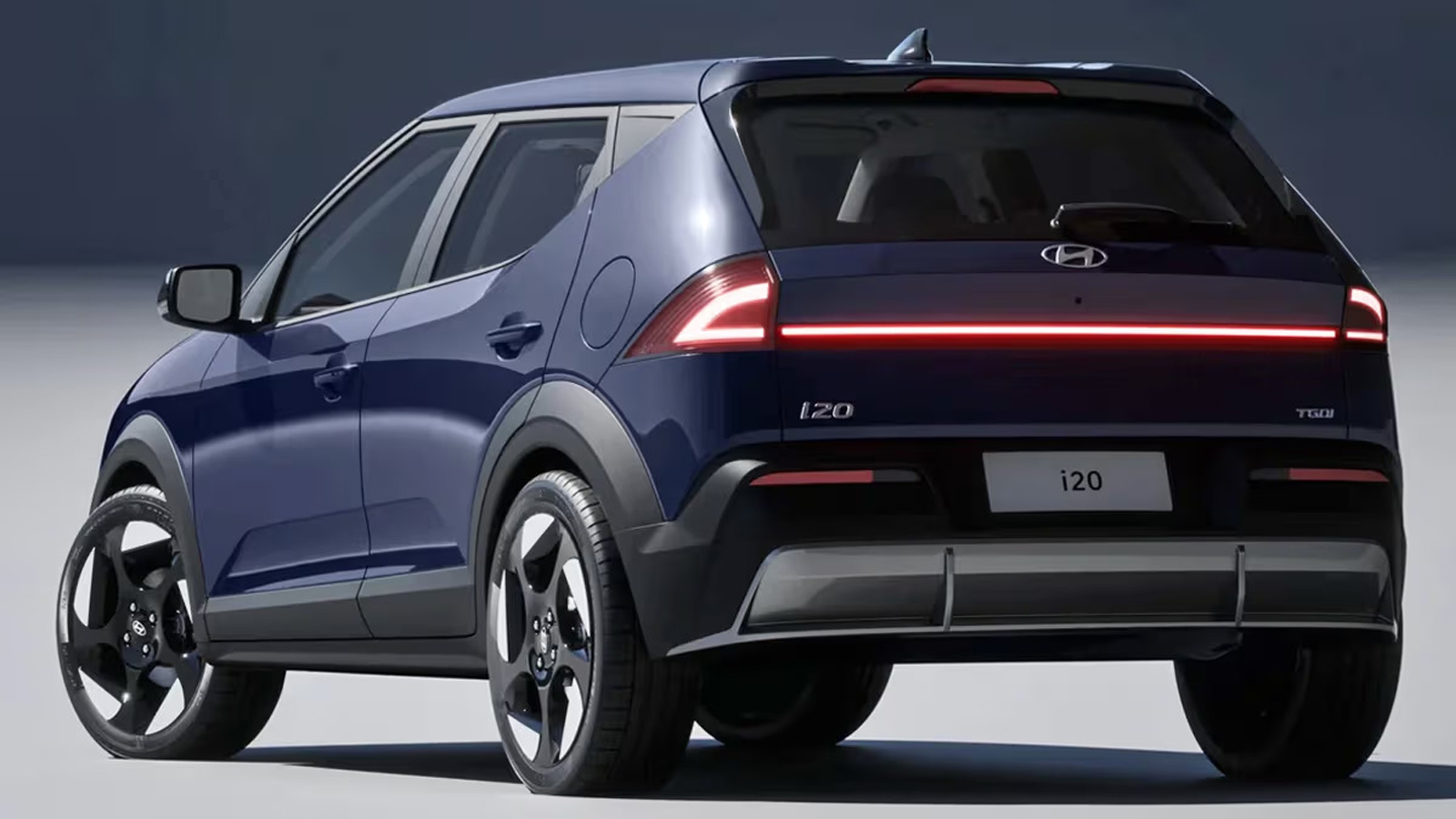
Built on Hyundai’s K3 platform, the next-gen i20 is slightly larger than the previous one, measuring 4,130mm in length instead of 3,995mm.
The wheelbase is unchanged, mind you, which means the size difference can be attributed to the new body.
The company has opted for a more crossover-like appearance this time around, even improving the ride height by 55mm.
Anyone familiar with Hyundai’s recent cars will instantly recognise that the new i20’s shape is similar to the Ioniq electric models, though it also seems to have a few interesting details of its own.
The shape of the front end is reminiscent of the Ioniq 3 and 5 SUVs, though the carmaker has given the hatchback a singular LED lightbar that stretches across the end of the bonnet.
Likewise, the rear is sporting a taillight bar across the boot door that links to the lamps on either side.
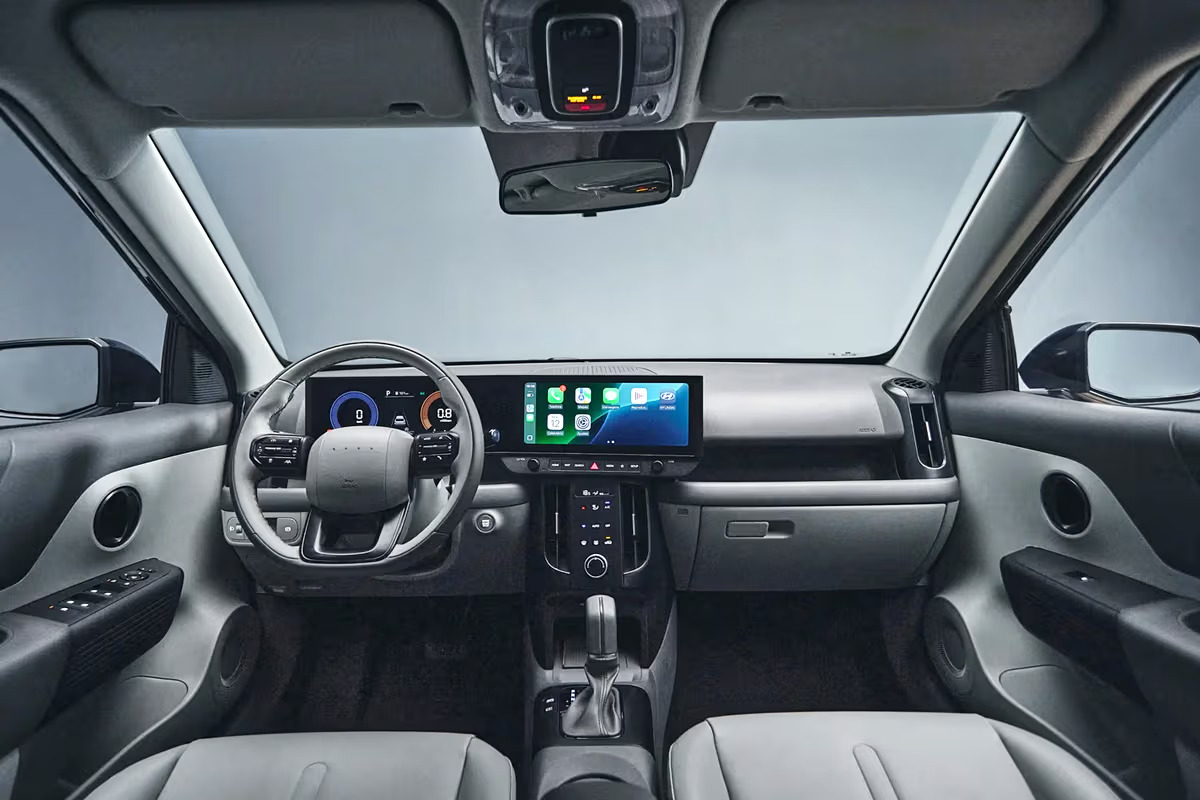
The interior has received a considerable makeover with a two-tone black-and-white aesthetic and a brand-new centre console.
The aircon vents are vertical now, similar to the design Kia uses, and there are a handful of physical buttons positioned above the shelf for the wireless charging pad.
There’s a new three-spoke steering wheel, and the dashboard has a dual-floating display with a 12.3-inch digital instrument cluster and a 12.3-inch infotainment screen.
A few other features confirmed for the Brazilian market include a six-speaker stereo and an Advanced Driver Assistance Suite with functions like parking sensors, adaptive cruise control, and a rearview camera.
Engine-wise, the new Hyundai’s selection is quite similar to what we have in South Africa.
The base model has a 1.0-litre naturally aspirated petrol engine with 55kW, which is comparable to the engine found in the Grand i10.
Alternatively, there’s a turbocharged version with 86kW, which is essentially the same as the one found in the top-spec i20 models sold in South Africa, such as the N Line.
Gearbox options include a five-speed manual and a six-speed automatic.





 Loading ...