Motorists should only trust cars with these safety ratings in South Africa – According to the AA


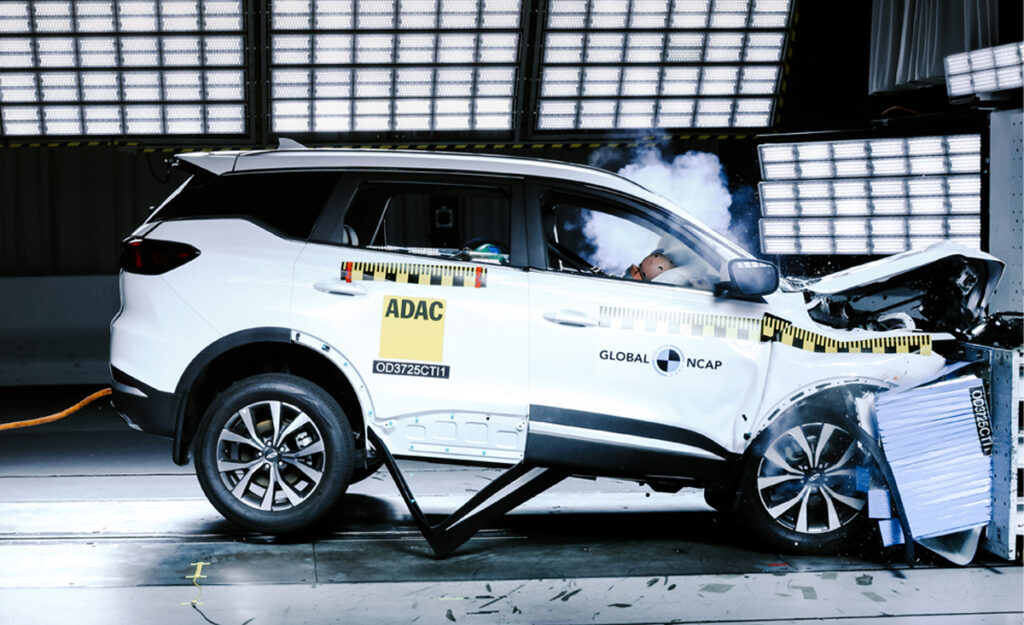
Motorists in South Africa should only trust cars with a safety rating that is both relevant to our market and comes from a reputable vehicle crash safety organisation.
This is according to the CEO of the Automobile Association of South Africa (AA), Bobby Ramagwede, who recently spoke to TopAuto about the lack of vehicle safety standards in South Africa and other African countries.
The AA is currently running its #SaferCarsForAfrica campaign, which aims to highlight the discrepancy in vehicle safety standards between vehicles sold on our continent compared to those in other regions.
New vehicles are subject to New Car Assessment Program (NCAP) crash tests that analyse the body’s structure and safety equipment to see how they protect adult and child occupants in an accident.
However, there are multiple NCAP tests across different regions around the world, reflecting differences in local regulations, vehicle safety priorities, and average car prices.
Vehicles built in different countries also have varying specs and build quality, even if they share the same name.
The Hyundai i20, for example, is built in Türkiye and India, but the Turkish units are sold in Europe, while the Indian ones are sold in markets like South Africa.
Because of this, a five-star safety rating from one NCAP does not necessarily mean a car would receive a five-star rating in all markets.
Below is a list of the most common NCAP tests around the world:
- ANCAP – Australasia New Car Assessment Program
- ASEAN NCAP – Southeast Asia New Car Assessment Program
- Bharat NCAP – India New Car Assessment Program
- C-NCAP – China New Car Assessment Program
- Euro NCAP – European New Car Assessment Program
- Global NCAP – Global New Car Assessment Program
- Latin NCAP – Latin America New Car Assessment Program
Ramagwede explained that the Global NCAP is the umbrella car assessment programme, and that the others are considered regional or geographic NCAPs.
The Euro NCAP is considered the gold standard because it has the strictest safety requirements and constantly updates its testing protocols. ANCAP is also well-regarded because it is closely modelled after the Euro NCAP.
The AA believes that the Global NCAP, Euro NCAP, and ANCAP are the best and most relevant tests for the South African market.
Ramagwede said that he is aware of the Bharat and China NCAPs, but that, as far as our right-hand-drive market is concerned, the AA places its emphasis on the global, European, and Australasian tests.
This is significant because the vast majority of cars imported to South Africa are produced in India or China.
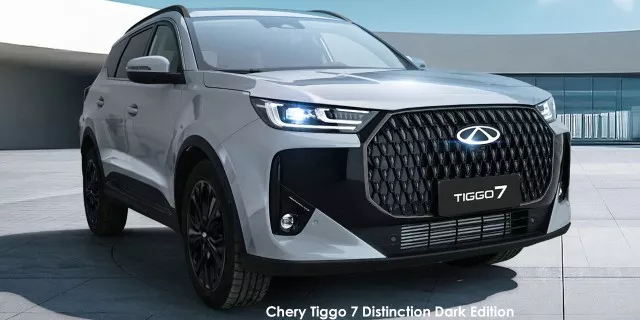
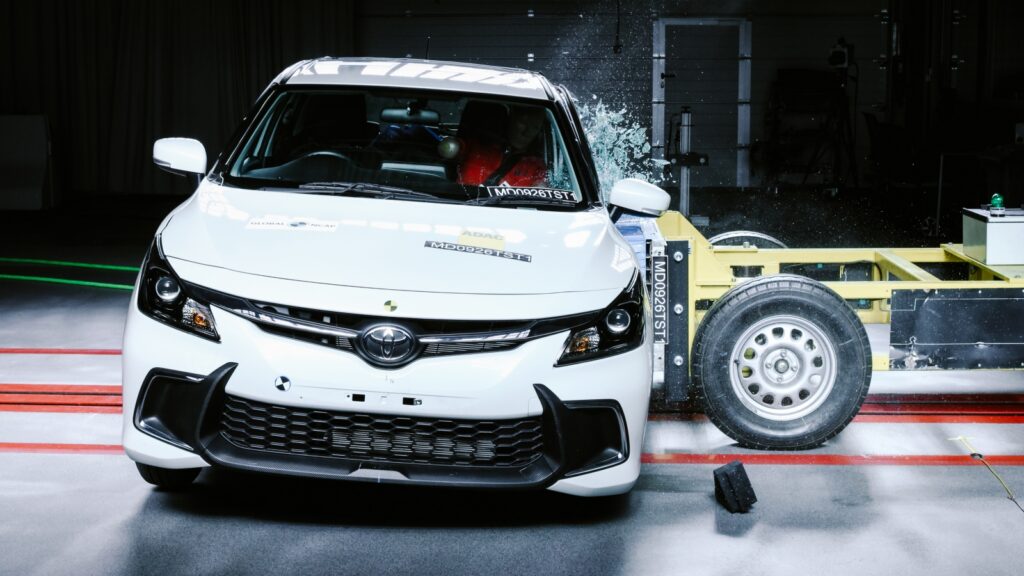
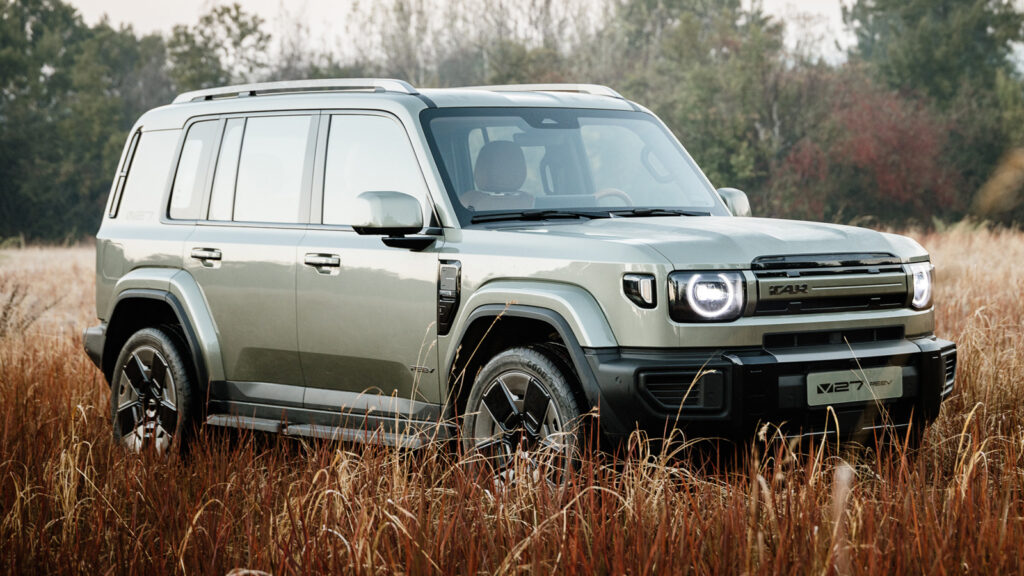
This includes popular models like the Toyota Starlet, Hyundai Grand i10, Chery Tiggo 4 Pro, Suzuki Swift, Kia Sonet, Haval Jolion, and dozens of other cars sold in South Africa.
Africa needs its own NCAP

Importantly, there is no dedicated African NCAP, which means local motorists are reliant on tests from other countries to tell them how safe their cars are.
This leads to very mixed results, as carmakers will quote safety figures from different markets, sometimes cherry-picking the best results even if they do not reflect the quality of the models sold in South Africa.
Even though a five-star Euro NCAP is very good, it is still misleading to consumers if it does not apply to the local models.
To use our Hyundai example from earlier, if the company marketed the i20 with a Euro NCAP, it would be misleading because the South African models are built in India.
Ramagwede explained that the AA has been pushing for the creation of an Africa NCAP for years to create a consistent safety benchmark for all vehicles sold on the continent.
He said that South Africa requires an Africa NCAP not only to provide a facility or program to test cars bound for Africa, but also to ensure that the safety standards applied to the African continent are of a sufficient, globally recognised quality.
For this reason, he said that an Africa NCAP would, at a minimum, need to be the same as the Global NCAP.
“Our desire is for the Africa NCAP to be more equivalent to the Euro NCAP and ANCAP standards because of the sophistication of the motor vehicle market in South Africa, and I suppose to a large extent the balance of the continent as it feeds from South Africa.


 Loading ...