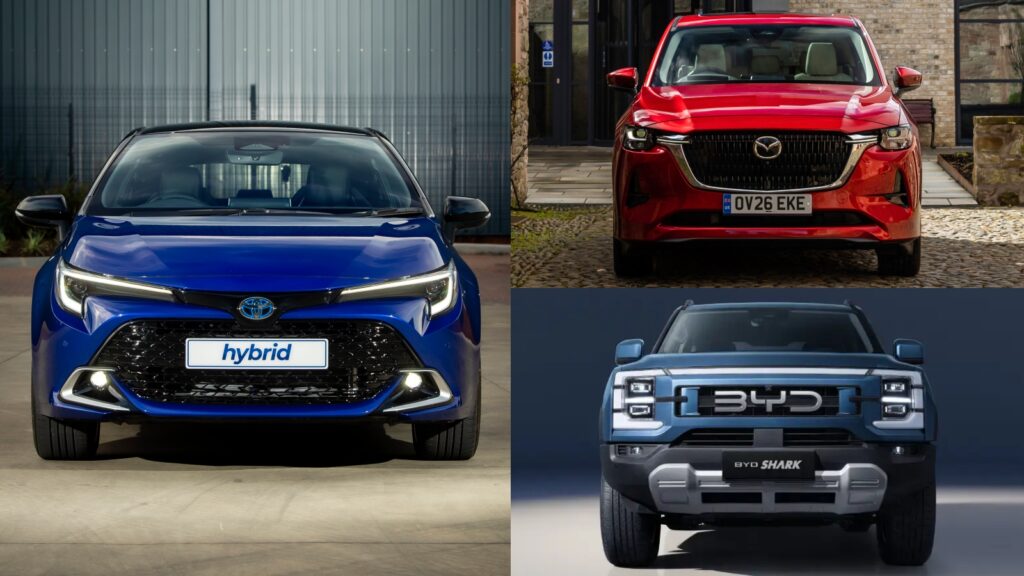
New energy vehicles (NEVs) have well and truly taken off in South Africa, with no less than three types of hybrid electric vehicles (HEVs) available alongside pure electric vehicles (EVs) in our market.
While most motorists know the difference between a traditional internal combustion (ICE) vehicle and an HEV, fewer know the difference between the types of hybrids – conventional hybrid, mild-hybrid (MHEV), and plug-in hybrid (PHEV).
Global petrochemical giant Repsol explains the importance of knowing the differences, as these affect consumption, daily use, purchase price, and maintenance.
The simplest form of electrification is the MHEV configuration, which incorporates a small electrical system of 12 to 48 volts to a petrol or diesel motor.
This helps the combustion engine in specific situations, including starting, gentle acceleration, or energy recovery after braking, instead of propelling the vehicle itself.
“That is why, in real use, they are quite similar to a modern combustion engine vehicle, although with smoother operation and somewhat less consumption, especially in the city and in intermittent traffic,” notes Repsol.
The next step in electrification is conventional hybrids or HEVs, which see the electrical system playing a much more prominent role than in mild-hybrid systems.
Battery capacity is also increased significantly, allowing the vehicle to split the energy source, using the electric motor only at times, especially at low speeds.
It must be noted that this battery cannot be plugged in to charge, but rather charges through energy recovered during braking and deceleration, or with support from the combustion engine when needed.
Repsol explains that a conventional hybrid is best suited for city driving or urban traffic.
“That’s where they get the most out of their electrical side and where they usually achieve better consumption figures.”
Of the three hybrid systems, PHEVs represent the option closest to pure electrification, with much larger batteries that can be charged by plugging the car into the power grid.
They can essentially be treated as an electric vehicle for short trips, while still offering the range of a petrol car on longer journeys.
“On paper, they are the most versatile, but also the most dependent on actual use,” explained Repsol.
A direct comparison between hybrid systems
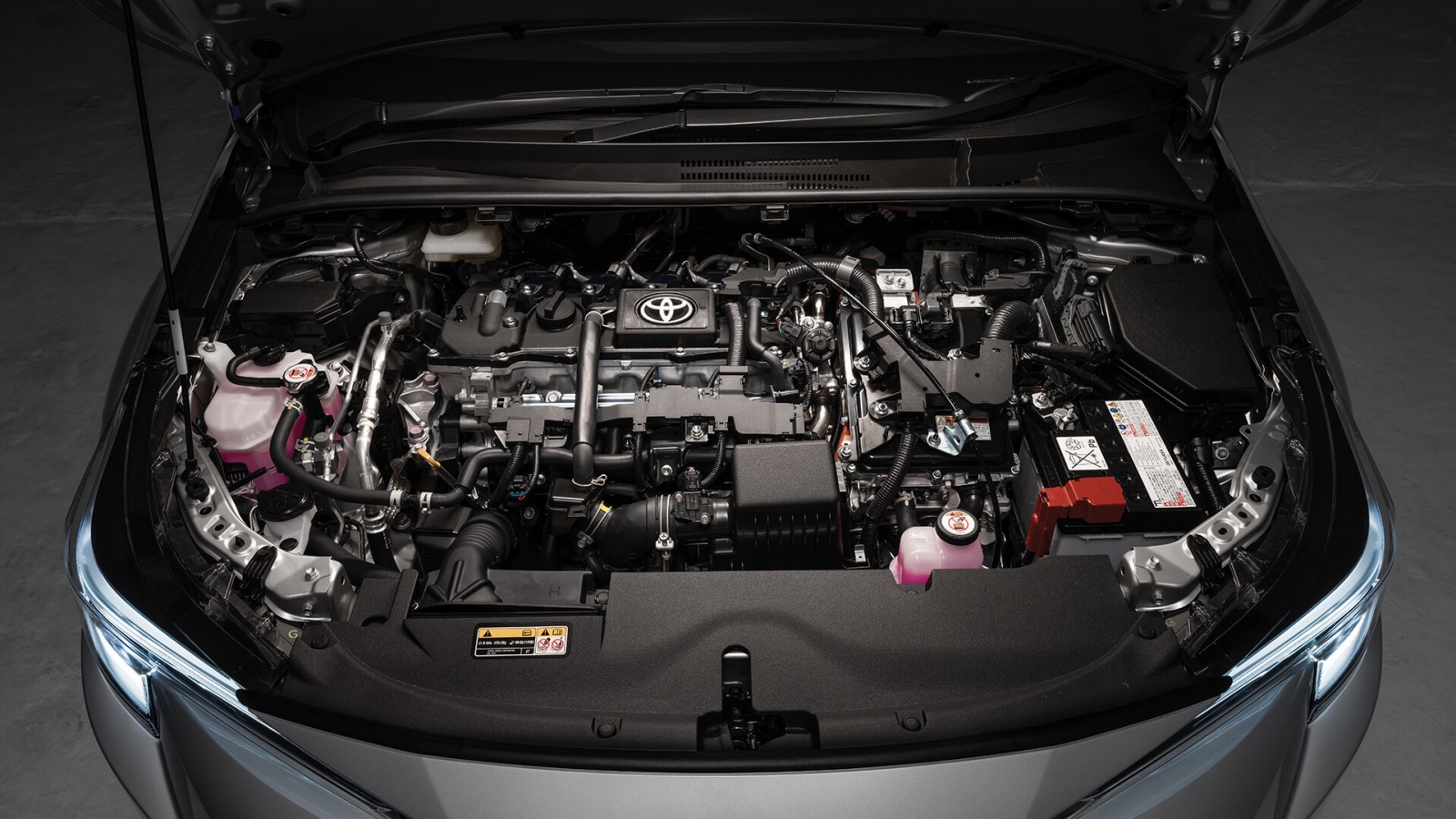
To help motorists compare the three systems, Repsol created a table that summarises the most important differences between the major types of hybrid vehicles.
Below are some of the key differences between conventional hybrids, mild-hybrids, and plug-in hybrids that buyers would consider:
| Aspect | MHEV | HEV | PHEV |
|---|---|---|---|
| Hybrid system | Mild electrical assistance | Fully hybrid, non-plug-in | Plug-in hybrid |
| Can drive on electricity alone | No | Yes, at specific times and very short trips. | Yes, with a much greater range in electric mode. |
| Battery size | Very small | Small | Medium (compared to a pure EV) |
| Plug in | No | No | Yes |
| Battery charges when braking | Yes | Yes | Yes |
| Ideal use | Drivers who want the Eco label without adapting their routine. | City and mixed-length driving. | Daily use with the possibility of plug-in charging and occasional long trips. |
| Technical complexity | Low | Medium | High |
Beyond these, Repsol explains that when it comes to price, the order is usually clear, with mild-hybrids the cheapest, followed by conventional hybrids, and PHEVs at the more expensive end of the range.
“The difference does not only depend on the hybrid system, but also on the size of the battery, its power, and the equipment with which each brand sells a vehicle,” it says.
In terms of real-life consumption, there is no single “best choice”, as consumption depends on individual use.
HEVs hold the advantage in urban settings, maintaining efficiency thanks to frequent braking and low-speed travel.
An MHEV reduces fuel consumption expense somewhat compared to a combustion-equivalent vehicle, though the difference tends to be more modest.
Finally, a PHEV can achieve the lowest consumption if recharged often and used for trips that fall within its electric-only range, though if not plugged in regularly for charging, this advantage is wasted.
Repsol explains that when it comes to electric-only driving range, the difference between the three is also clear.
MHEVs cannot drive in electric-only mode, and HEVs can only do so at low speeds for small stretches, while PHEVs are designed specifically to drive at near-full performance.



 Loading ...