Alert issued over severe weather in South Africa – Avoid these routes


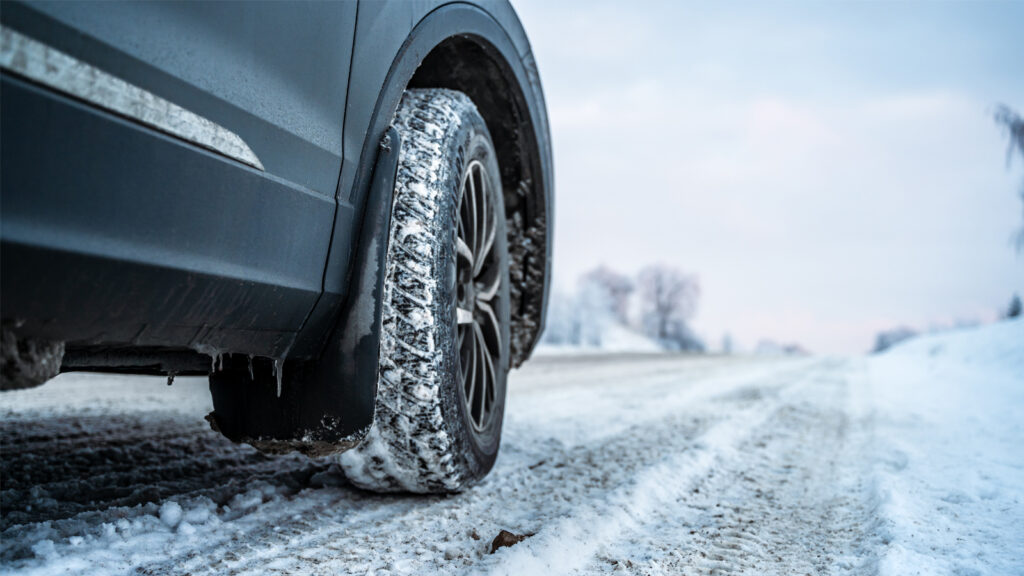
The South African National Roads Agency (SANRAL) has warned motorists to exercise extreme caution and postpone non-essential travel in certain parts of the country’s interior this week due to severe weather warnings.
This follows a notice issued by the South African Weather Service (SAWS) informing citizens of a Level 6 weather alert across multiple provinces.
SANRAL highlighted that areas in South Africa are experiencing heavy snowfall, rainfall, strong winds, and icy road conditions, including parts of the southern and southeastern Free State. It warned that motorists should avoid certain routes.
“The adverse weather conditions are particularly affecting sections of the N1 between Edenburg and Springfontein, R34 between Welkom and Kroonstad, The N6 between Reddersburg and the Smithfield and the R704 between Dewetsdorp and Wepener,” said the road agency.
“The intensifying snowfall and icy conditions may result in temporary road closures and travel delays.”
Regarding the N1 between Edenburg and Springfontein, SANRAL explained that heavy snowfall has been reported, and that road conditions are being continuously assessed.
It warned that drivers should expect temporary road closures, particularly where snow and ice create unsafe conditions for vehicles.
It also recommended that motorists lower their speed to limit the risk associated with the driving conditions.
On the R34 between Welkom and Kroonstad, heavy rainfall is affecting the route. This stretch of road is also known to experience localized flooding.
The N6 between Reddersburg and Smithfield is experiencing snowfall. The road is currently open and drivable, though SANRAL warned that drivers can expect reduced traction due to the possibility of icy patches.
Lastly, the R702 national road between Dewetsdorp and Wepener is experiencing snowfall and ice formations.
“The current conditions in the Free State are not entirely conducive to driving, given that the adverse weather conditions are being experienced over a long weekend and that motorists need to return from their destinations SANRAL urges the public to postpone non-essential travel,” it said.
“If travel is unavoidable, motorists are urged to exercise extreme caution by reducing speed, maintaining a safe following distance, using headlights, and remaining alert to changing road conditions.”
The agency noted that most South Africans have very limited experience driving in snowy conditions. It said drivers should proceed with caution, follow all traffic regulations, and listen to the instructions issued by law enforcement and emergency responders.
Tips for driving in dangerous weather
MasterDrive noted that parts of South Africa are experiencing severe weather this week and that motorists should exercise caution by adopting safe driving habits.
“Snow and ice remain rare enough in South Africa that few drivers ever build up real experience handling them,” said Eugene Herbert, CEO of MasterDrive.
“Heavy rain catches just as many drivers off guard, especially in the highveld which does not often experience winter rainfall. That means the fundamentals matter every time conditions turn, whether that’s rain, ice or snow.”
When it comes to navigating snowy driving conditions, Herbert recommended that motorists do the following:
- Reduce your speed
- Practise defensive driving.
- Ensure your anti-freeze is topped up.
- Avoid cruise control and sport mode.
- Gently test your brakes to judge how slippery the road is.
- Accelerate and decelerate slowly to maintain traction and avoid skidding.
- Switch your headlights to dim; avoid fog lights to avoid blinding other drivers
- Check that your tyres are properly inflated; underinflated tyres reduce traction further.
- Triple your normal following distance in snow, or leave eight to ten seconds on icy roads.
- If your wheels start to spin, ease off the accelerator and avoid braking harshly. Steer in the direction of the spin until you regain control, then straighten gently.
He also warned motorists to be aware of black ice, which refers to sleet or rain that freezes on contact with the road, forming a transparent layer that is harder to see but just as dangerous.





 Loading ...

-2026.10.webp)