


Many petrol companies and other terminal operators running operations from the Island View Precinct (IVP) in Durban will sign long-term lease agreements for the first time since 2011.
Two Portfolio Committees – for Trade, Industry and Competition, and Transport – welcomed the steps taken by Transport Minister Barbara Creecy to address concerns raised regarding the S79 directive for the precinct.
Most operators’ long-term leases expired between 2010 and 2011, forcing them to operate on a month-to-month basis.
In September 2025, the Minister issued a Section 79 directive to the Transnet National Ports Authority (TNPA) to renew the leases of existing tenants’ rights to operate liquid bulk terminals and manufacturing sites.
The renewal included access to existing terminal infrastructure within IVP for 25 years, as well as guaranteed access to 15% incremental capacity from the Central Energy Fund (CEF) and up to 30% of IVP’s total capacity.
According to the committees, the CEF’s access would include the right to build and operate a new Single Buoy Mooring within the port limits and to act as a third-party access point for emerging black industry players.
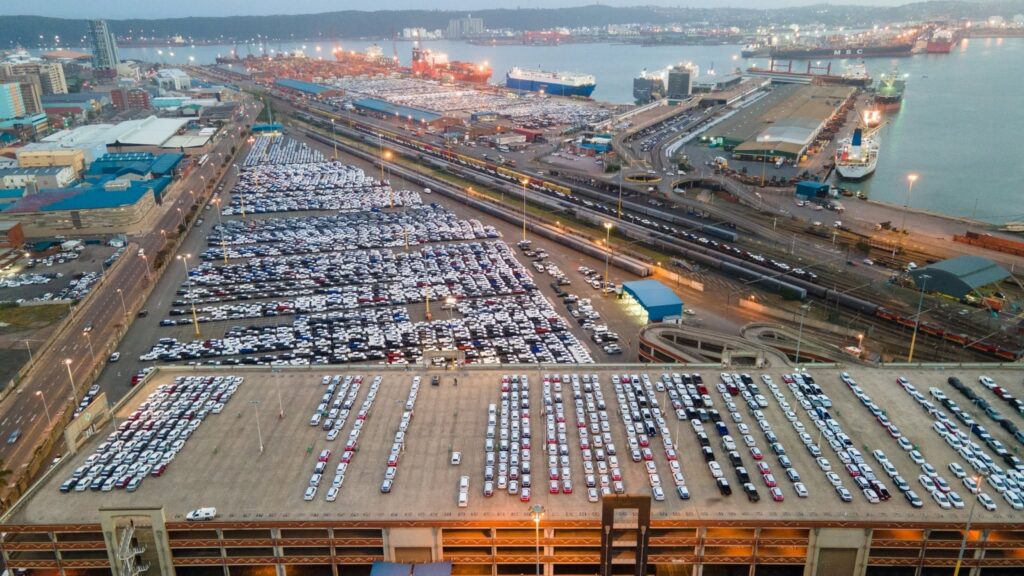
The precinct, located in the Port of Durban, has been operational since 1960, acting as a liquid-bulk and petroleum storage complex for major international oil companies.
Historically, the IVP has been linked to the South African Petroleum Refineries (SAPREF), and was formerly owned by BP Southern Africa and Shell Downstream South Africa.
BP and Shell subsequently sold the major petroleum storage and handling facility to the Central Energy Fund (CEF) in 2024.
The land on which the IVP is built is owned by the TNPA, which has provided multi-decade leases to Sasol, Engen, Total Energies and Astron Energy.
These companies, and others, use the facility to operate storage tanks and infrastructure for importing and distributing crude oil, fuel and other liquid-bulk products in South Africa.
South Africa plans to never run out of fuel again
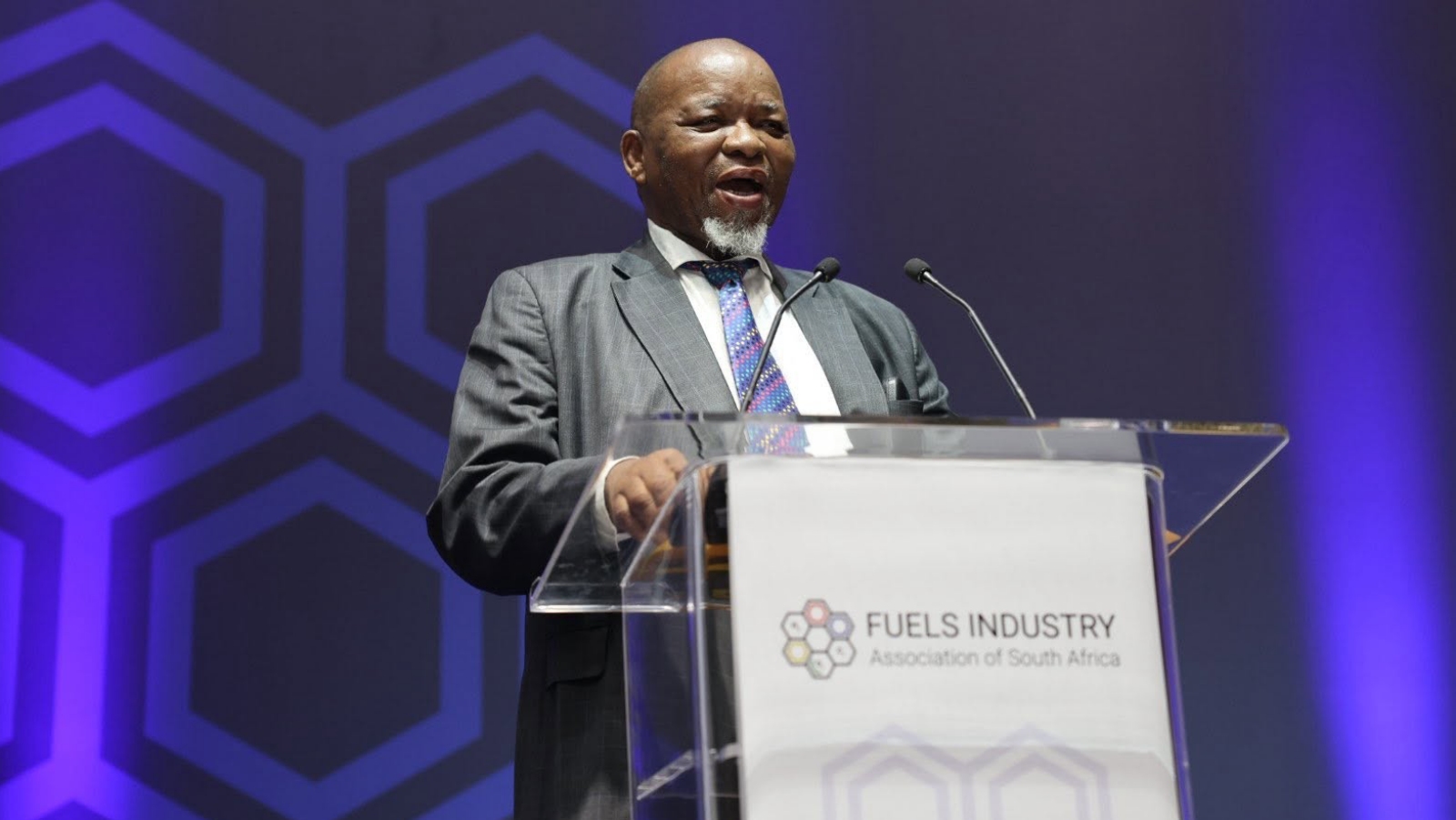
During the Fuels Industry Association of South Africa (FIASA) Annual Imbizo in June, Mineral and Petroleum Resources Minister Gwede Mantashe unveiled South Africa’s plan to secure its long-term fuel supply.
In his keynote address, the minister warned that geopolitical tensions, including the ongoing conflict in the Middle East, continue to threaten local energy security.
“Events occurring thousands of kilometres away continue to affect fuel prices, supply chains, investment decisions, and economic stability across the globe,” he said.
Despite the pressure, the country maintained fuel supply stability, and to ensure this remains the case, the department finalised the draft Strategic Petroleum Stocks Policy for Cabinet consideration.
“The policy proposes a mixed stockholding model, under which the South African National Petroleum Company (SANPC) will maintain strategic reserves equivalent to 60 days of net imports in both crude oil and refined products,” he said.
“This represents a major step towards strengthening South Africa’s resilience against future supply disruptions.”
The draft policy aims to establish the framework for the mandatory holding of emergency reserves and the procedure to be followed when an emergency is declared.
Its primary objective is to ensure the country is ready for future crises by maintaining a buffer of physical fuel stocks that can be released during an official state of emergency.
The department is building emergency reserves of crude oil equal to 90 days of net imports and mandating private manufacturers and wholesalers to stock refined products, such as petrol, diesel, or jet fuel, for 14 days.
These strategic reserves are specifically intended for catastrophic events, not minor operational inefficiencies, and the Minister of Mineral and Petroleum Resources would be the sole authority to trigger the release of stocks.




 Loading ...
-2026.10.webp)



-2026.10.webp)