Big changes coming for anyone entering or leaving South Africa


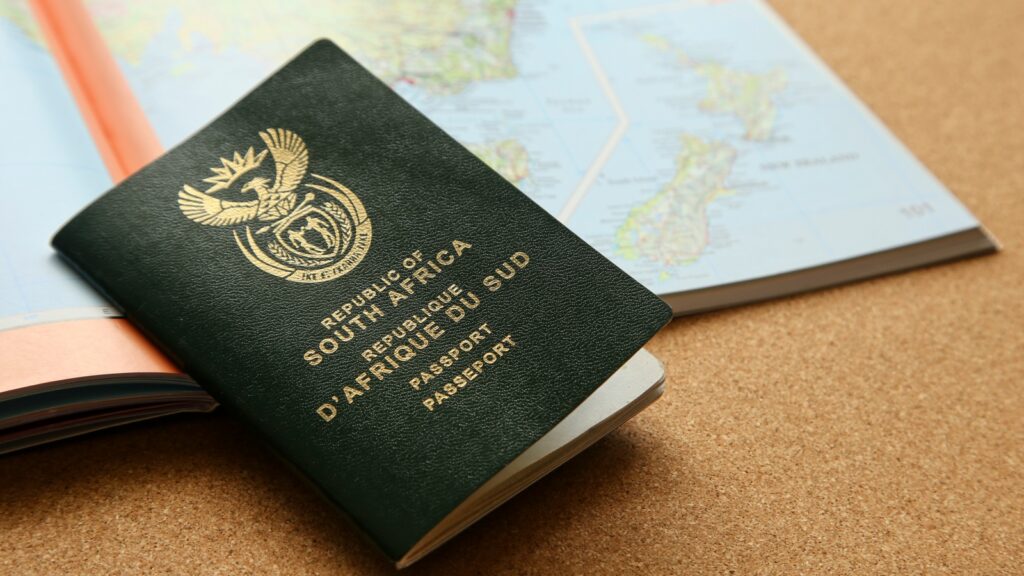
Individuals travelling to and from South Africa may soon be able to do so more easily, with the Southern African Development Community (SADC) planning a major overhaul of its land borders.
President Cyril Ramaphosa confirmed this in his closing remarks at the 46th Ordinary Summit of SADC states in Durban.
As the SADC Chairman, Ramaphosa called for the accelerated establishment of One-Stop Border Posts (OSBPs) and modernisation of systems governing the movement of goods and people across Southern African states.
The main objective is to avoid having hauled goods and people lose valuable time at border posts simply because neighbouring countries operate disconnected systems.
“We must accelerate the establishment of the identified One-Stop Border Posts. A truck carrying goods across Southern Africa should not spend days waiting at a border,” he said.
“Our borders must facilitate legitimate trade and movement while maintaining effective security and customs controls.”
According to Ramaphosa, this can be achieved by One-Stop Border Posts, improved digital systems, and better inter-state collaboration to simplify migration.
These border posts are designed to remove a major obstacle to efficient cross-border movement – the duplication of processes when travellers stop at two separate border facilities operated by neighbouring countries.
This has been identified by the Cross-Border Road Transport Agency (C-BRTA) as a major constraint on cross-border traffic flow due to inadequate infrastructure and fragmented systems.
The SADC Regional Infrastructure Development Master Plan has prioritised the transformation of traditional two-stop borders into more modernised and streamlined stops.
Some of the borders identified for modernisation by the C-BRTA include the Chirundu, Kazungula, Kasumbalesa, Lebombo and Mamuno border posts, as part of broader efforts to improve corridor efficiency.
Ramaphosa explained that his call is not simply about constructing new border facilities, but rather about changing the way border agencies and neighbouring countries work together.
He added that Southern Africa needs to move towards a model where borders connect people rather than divide them.
Streamlining and modernising border posts
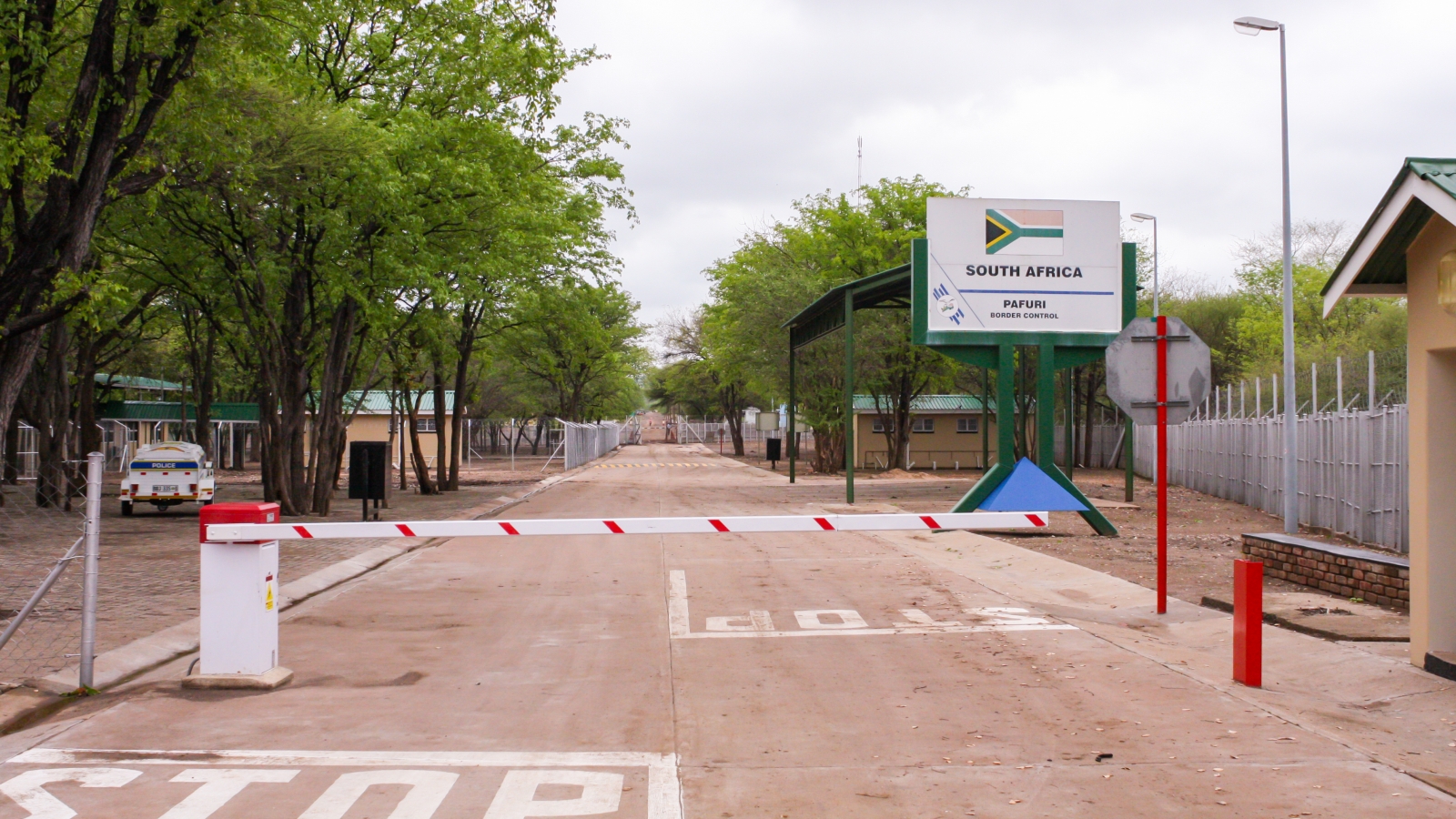
During his address, the president explained that South Africa has already been pursuing broader cross-border road transport transformation.
This is being done through improved regulation, digital services and efforts to reduce operational constraints.
One practice already in place is the Cross-Easy digital tool, which allows cross-border operators to apply for permits online, track applications, make payments and receive notifications digitally.
It forms part of efforts to reduce administrative burdens and improve the experience of freight and passenger operators.
The C-BRTA is also pursuing an Operator Compliance Accreditation System to reduce transit delays by using risk-based compliance mechanisms.
These interventions aim to transform how physical infrastructure combines with digital systems for better coordination between border agencies.
It is already taking place, with SADC and its partners developing digital systems to make the movement of people and goods more efficient.
Another such system is the Corridor Trip Monitoring System (CTMS), designed to integrate transport, immigration and customs systems and provide advance information on drivers, crew and passengers.
It also supports electronic documentation, cargo tracking and corridor performance monitoring, and the broader objective of reducing travel and transit times to enable more efficient border procedures.
The SADC region has previously identified digital interventions, e-visas and cross-border identity management as important tools for facilitating movement while strengthening security.
These interventions are becoming increasingly important as the SADC attempts to balance two objectives that may appear to compete with one another.
The objectives include making legitimate movement easier, while also making it more difficult for criminals and irregular movements to exploit weaknesses in border systems.
In closing, Ramaphosa noted that these objectives are possible, adding that if regional corridors become faster and borders more integrated, citizens and businesses will experience streamlined cross-border travel.




 Loading ...