
The R2,400 per month extra cost of owning the new Toyota Hilux in South Africa


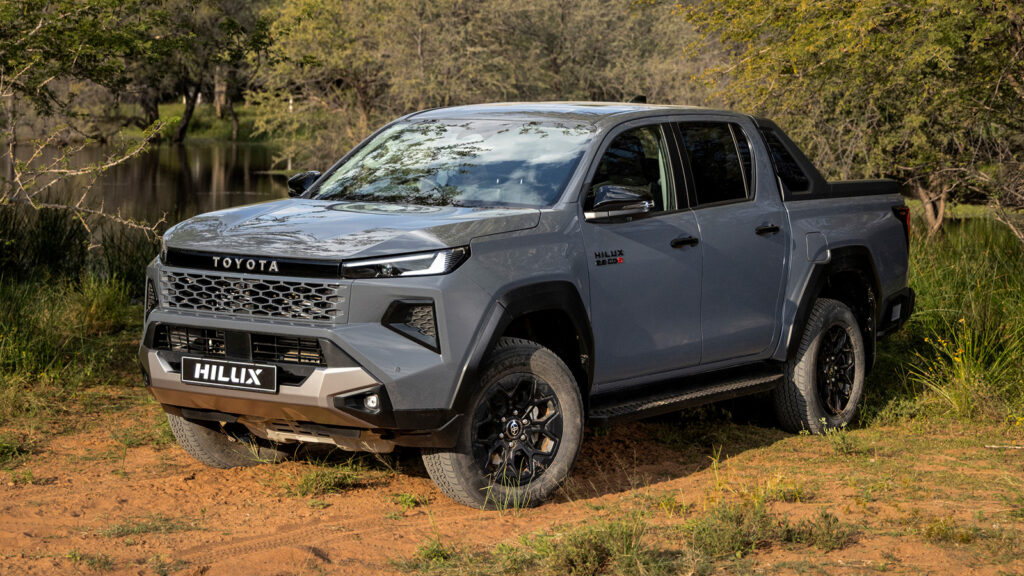
As the most popular bakkie on South Africa’s roads, the Toyota Hilux is also the most desired by criminals, forcing owners to pay thousands of rands each month to keep them insured.
It is not only their high theft risk that makes insuring these bakkies so expensive, but also the overall ownership and replacement costs.
According to Naked Insurance, Hilux premiums do sit a little higher than average, but for good reason.
“It’s a high-value vehicle that’s hugely popular, which makes it attractive to car buyers and to car thieves,” the insurer explained.
“Add in its role as a lifestyle and workhorse vehicle, and insurers factor in that it’s often used more heavily than a small hatchback.”
In a country where hijackings are fairly common, it makes sense that car insurance will be higher than expected, especially on a vehicle that tends to top the list of most-stolen vehicles in South Africa.
That being said, Naked Insurance believes there are still benefits to owning the popular Japanese bakkie.
“On the upside, Toyota has a strong dealer network across SA. That means parts are easier to source and repairs are often quicker than with imported brands,” it said.
“So while your monthly premium might be more than most cars, you’re insuring a car that holds its value and is known for long-term reliability.”
According to the insurer, the biggest factors affecting Hilux insurance premiums are:
- Safety features: Newer Hilux models come with airbags, stability control and advanced braking tech, which all help reduce risk.
- Theft risk: The Hilux is regularly on South Africa’s most stolen car lists. Most insurers require a tracking device, sometimes even two.
- Repair costs: Bigger vehicles with more tech usually cost more to fix. Toyota’s wide service network does help keep costs manageable.
- How you use it: A Hilux that mostly does school runs will likely cost less to insure than one working hard on construction sites or farms.
The cheapest Hilux models to insure, and what it costs to insure them
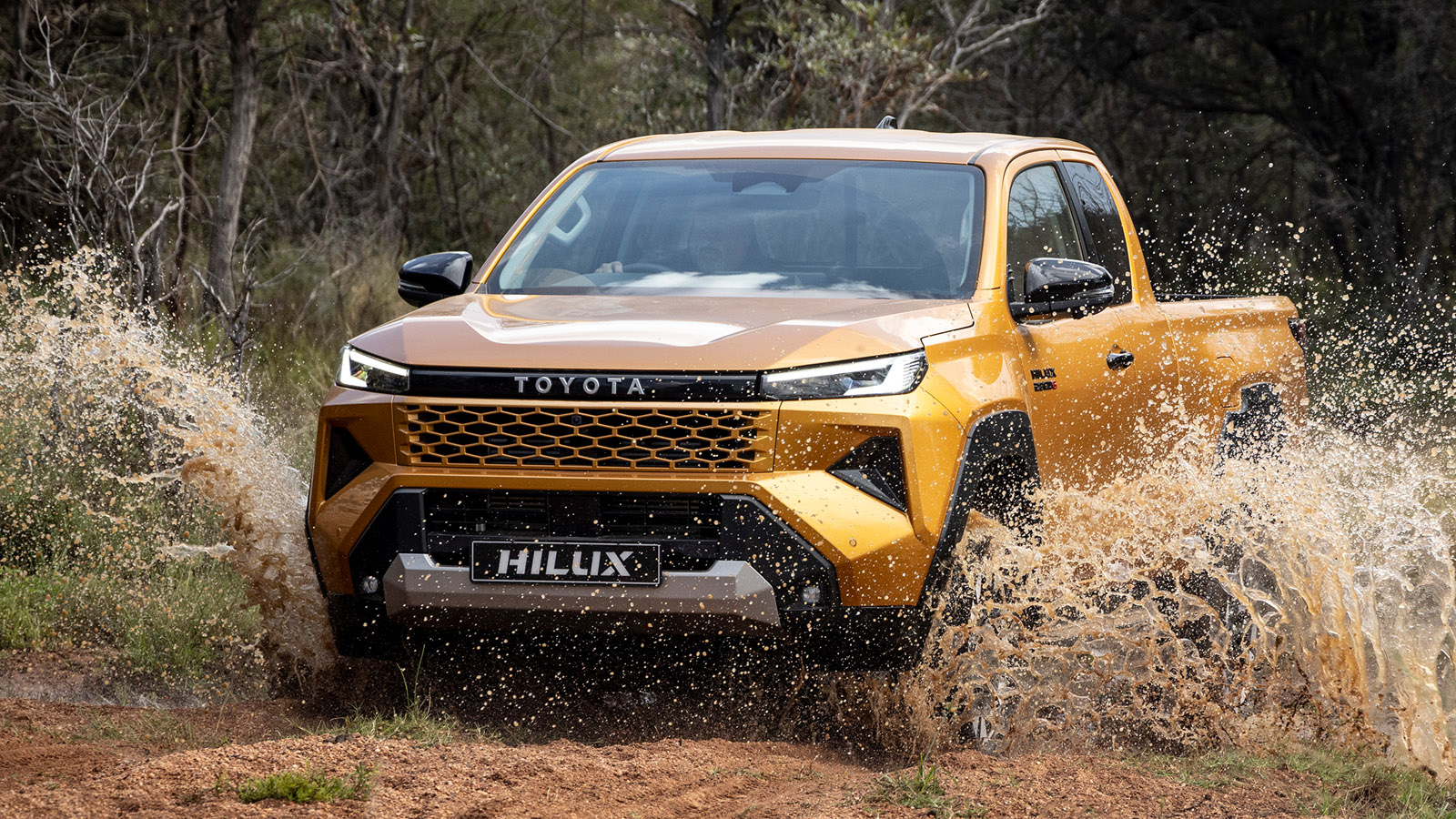
According to Naked, the single-cab workhorse is usually the cheapest to cover, followed by the Raider, which sits in the middle, while the high-spec Legend and GR-Sport versions cost more because of their higher replacement values and extras.
This is backed up by Compare, which lists the 2.8 GD-6 Legend and GR-Sport as the two most expensive Hilux bakkies to insure in South Africa in 2026.
“The combination of high resale value, strong parts demand, and widespread use makes it a primary target for organised vehicle crime syndicates operating across all nine provinces,” it said.
“Insurers price this theft risk aggressively. A new 2.8 GD-6 Legend retails for over R900,000 — and Toyota-specific parts and labour add significantly to the average claim cost.”
These bakkies can cost anywhere from R1,500 to R2,400 per month to insure comprehensively, while even third-party, fire and theft cover could reach R1,000 per month.
It must be noted that insurance premiums depend entirely on each insured party’s risk profile, which includes age, address, claims history, and vehicle condition, as well as where the bakkie is stored when not in use.
Toyota Hilux 2.8 GD-6 4×4 double-cab Raider models that are only a few years old can still demand insurance premiums of up to R2,000 per month, while extra-cab variants can fall below R1,000, depending on risk profile.
The cheapest Hilux models to insure in South Africa in 2026 are older single-cab models, which tend to cost less than R1,000 per month to insure comprehensively.
Many insurers will also lower insurance premiums on these commonly stolen bakkies if their owners fit them with trackers, although this also carries an additional monthly fee, which may negate the savings entirely.



 Loading ...
Conversation
6 commentsIt is absolutely nonsense that the insurance is that high. My insurance is comprehensive and I pay R1150,00. Im am not a sheep. I buy the best and last forever. Trade is the best.