Warning for anyone driving in South Africa’s capital city


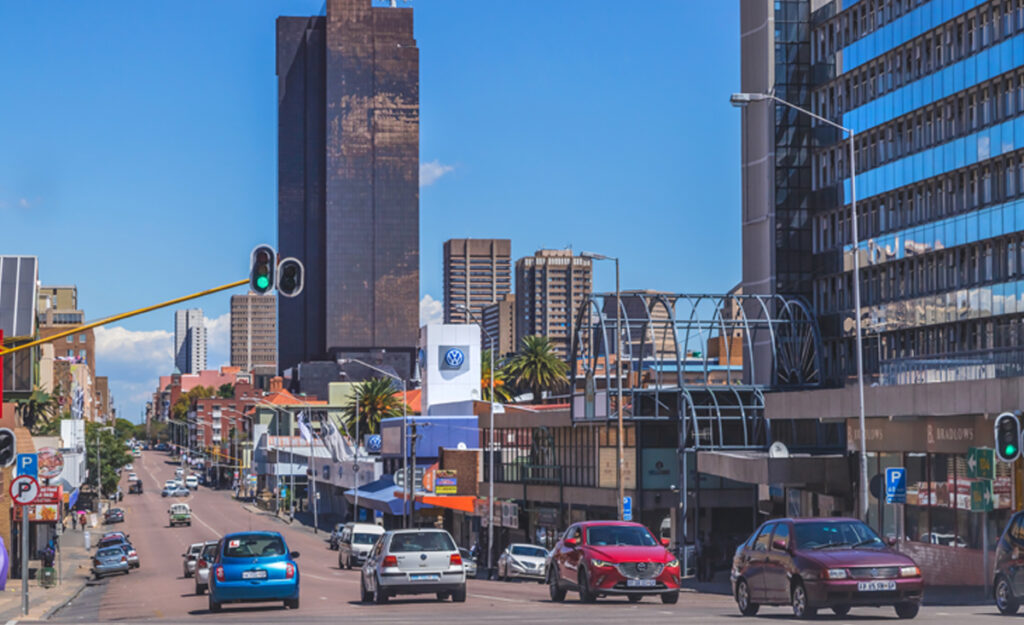
Following a recent spate of attacks on motorists in Pretoria, Specialised Security Services (SSS) has warned anyone travelling through Pretoria, particularly at night, to exercise heightened caution.
Last week, the firm received information regarding attempted hijackings on the N1 North near the Garsfontein interchange, and further reports of suspicious activity along sections of the N4.
“According to information received by SSS, at approximately 20:30, a woman travelling northbound on the N1 near the Garsfontein off-ramp was reportedly confronted by two males who attempted to remove her from her vehicle,” said SSS.
“A Gauteng Traffic Police officer who was patrolling the area reportedly observed the incident and approached the vehicle with emergency lights activated.”
According to SSS, owned by specialist investigator Mike Bolhuis, the suspects abandoned the attempted hijacking and fled on foot towards a waiting vehicle.
At the same time, the firm received several reports of suspicious activity and alleged attempted hijacking activity at the Watermeyer interchange and Rossouw Street on the N4.
It added that suspicious activity along these routes may occur from around 19:00 onwards, although motorists should not treat this as a fixed timeframe.
“The N1/Garsfontein area has previously been identified as a concern for smash-and-grab incidents,” noted SSS.
“At the same time, Garsfontein Road and Watermeyer Street have also appeared on historical lists of Pretoria’s crime hotspots.”
SSS has urged motorists in Pretoria and across South Africa to remain alert to the crime hotspots in their own areas, but added that hijackings, smash-and-grab attacks and other opportunistic crimes can occur anywhere.
“Motorists should familiarise themselves with local hotspots, remain vigilant when approaching these areas, keep doors locked and valuables out of sight, and avoid unnecessary stops,” the firm advised.
“Know your route, know your hotspots and never assume that your area is safe simply because you know it well.”
The difference between smash-and-grab and hijackings

Specialised Security Services explained that hijackings and instances of smash-and-grab represent two different threats.
“Motorists must understand that criminals do not necessarily need to commit a hijacking to target a vehicle,” it said.
“Where an opportunity for a vehicle takeover does not present itself, criminals may instead target visible property inside the vehicle.”
Commonly targeted items include cellphones, handbags and wallets, laptops and tablets, jewellery, shopping bags, and any other valuables visible through a vehicle’s windows.
SSS shared precautions for motorists to take to avoid becoming targets or victims of these opportunistic crimes, including:
- Keep doors locked and windows closed. Do not create an easy opportunity for someone to reach into the vehicle.
- Remove valuables from sight. Do not leave phones, handbags, laptops or other valuable items on seats, dashboards or floors where they can be seen from outside.
- Maintain situational awareness. Do not become distracted by a cellphone, navigation system or other device when approaching an interchange, traffic light or area with limited visibility.
- Leave sufficient space between vehicles. Where possible, maintain enough room to manoeuvre around a suspicious vehicle or obstruction rather than becoming boxed in.
- Be particularly observant near bridges, off-ramps and isolated sections of roadway. These areas can provide concealment and escape routes for offenders.
- Do not stop unnecessarily in an unsafe location. If something appears suspicious or you believe you are being followed, proceed to a populated, secure location or a police station where reasonably possible.
- Do not confront suspects. Property can be replaced; your life cannot. If confronted by armed hijackers, prioritise your safety and avoid sudden movements or resistance that could escalate the situation.
- Report suspicious activity. Where it is safe to do so, obtain relevant information such as vehicle descriptions, registration numbers, direction of travel and the location, and report it to the appropriate authorities.
SSS explained that criminals rely heavily on opportunity, surprise and distraction.
“An alert motorist who keeps valuables concealed, maintains awareness of surrounding vehicles and avoids unnecessary stops can reduce the opportunity presented to an offender,” it said.



 Loading ...