
The R40,000 difference when financing South Africa’s cheapest cars for 60, 72, and 96 months


Anyone financing one of South Africa’s sub-R190,000 cars for 96 months could end up paying up to a quarter of the vehicle’s original price more than those financing for 60 months.
It’s no secret that households are under pressure from higher interest rates, increased fuel prices and an overall higher cost of living.
To combat this, many are re-evaluating their monthly spending habits, including car repayments, whether by financing cheaper cars, extending loan terms, or both.
For years, a five-year, 60-payment car loan was the standard in South Africa, but that has since changed, as buyers extend loan terms to six or eight years for lower monthly costs.
According to WesBank, locals are still buying cars despite affordability pressures and the recent 25-basis-point repo rate increase to 7.25%.
To do so, the finance house said motorists are choosing longer loans to buy cheaper cars, adding that its data highlights a more deliberate approach to vehicle financing.
“Contract terms have also lengthened, particularly for new vehicles, while a greater proportion of customers opted for fixed-rate finance, providing greater certainty around monthly repayments as interest rates change,” WesBank said.
Thanda Sithole, Senior Economist at FNB and WesBank, added that customers are not simply stepping away from the market in response to affordability pressures; they are adjusting how they structure their vehicle purchases.
“For consumers, the focus is increasingly on managing the total cost of ownership and finding a finance structure that provides greater certainty over the life of the agreement,” he said.
While this may make sense in the short term, the long-term effect is motorists paying up to R40,000 more when financing a car for three years longer when buying one of South Africa’s 5 sub-R190,000 cars.
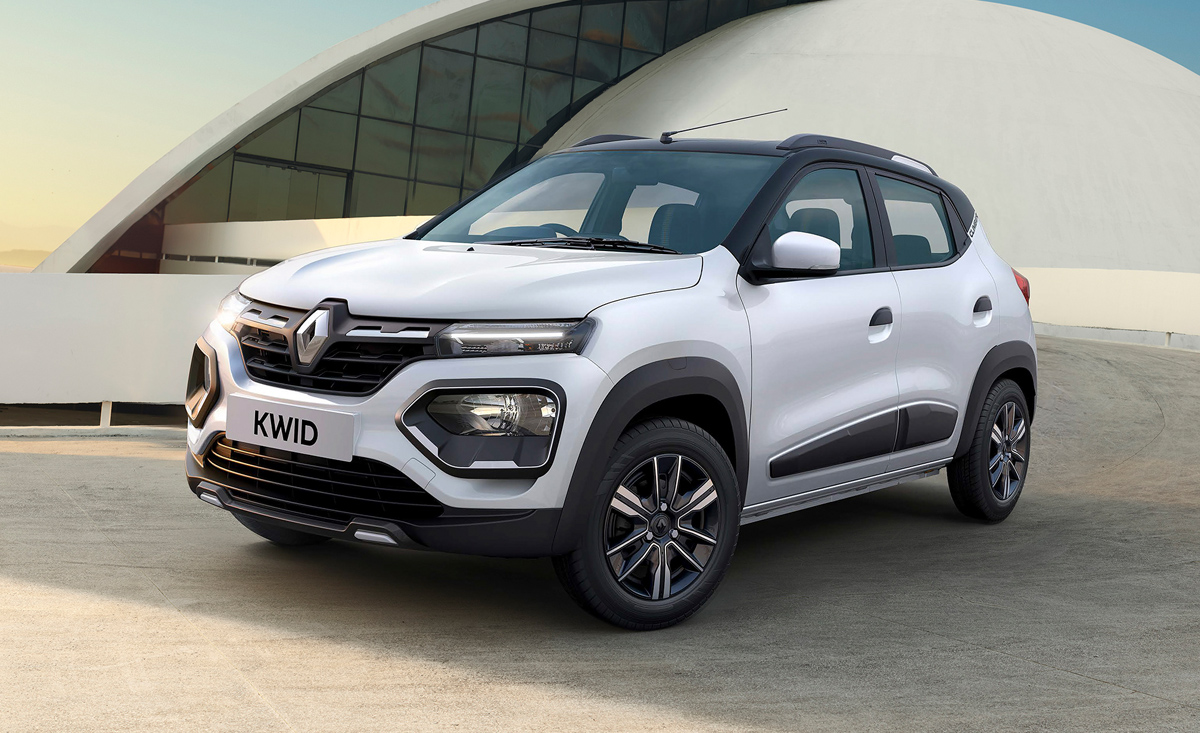
For example, a buyer financing South Africa’s cheapest passenger vehicle, the R178,799 Renault Kwid, for five years at the prime lending rate will pay R3,960 per month for a total of R237,622 by the end of the loan period.
A buyer doing the same thing for eight years, or 96 months, will pay R2,872 per month and end up spending R275,750 by the end of the loan period, which is R38,128 more than a five-year term.
The equation gets worse the more expensive a vehicle is, since a R300,000 vehicle costs R62,130 more to finance over eight years instead of five.
Financing South Africa’s cheapest cars for longer
South Africa currently has five cars with retail prices below R190,000, but after a five-year finance term, none of them cost less than R235,000.
Extending that to eight years, none of South Africa’s cheapest cars cost less than R275,000 – nearly R100,000 more than the base price of the cheapest Renault Kwid.
Below are the five most affordable cars in our market, alongside how longer finance terms affect their total repayment value. Click on their retail prices for more information about each.
Renault Kwid
- Retail price – R178,799
- 60-month repayment – R237,622
- 72-month repayment – R250,002
- 96-month repayment – R275,750
Suzuki S-Presso
- Retail price – R178,900
- 60-month repayment – R237,753
- 72-month repayment – R250,140
- 96-month repayment – R275,901

Toyota Vitz
- Retail price – R182,400
- 60-month repayment – R242,293
- 72-month repayment – R254,904
- 96-month repayment – R281,134

Suzuki Celerio
- Retail price – R188,900
- 60-month repayment – R250,724
- 72-month repayment – R263,752
- 96-month repayment –R290,852

Tata Tiago
- Retail price – R189,900
- 60-month repayment – R252,021
- 72-month repayment – R265,113
- 96-month repayment – R292,348




 Loading ...

-2026.10.webp)

Conversation
1 commentsBuying a car on finance is simply renting it from the bank.
At the end (if no balloon) it is yours, so a “rent to own” arrangement.
With any rental agreement you are going to pay more in total the longer your rental period.
The same applies to mortgage finance on your home.
In both instances you end up with an asset at the end. While the vehicle asset will depreciate in value, hopefully the home won’t.
In both cases you can settle early and sell the asset, have to maintain the asset, insure the asset, and make permitted alterations.
Essentially there is no difference in the process.