The new type of car slowly taking over South Africa’s roads


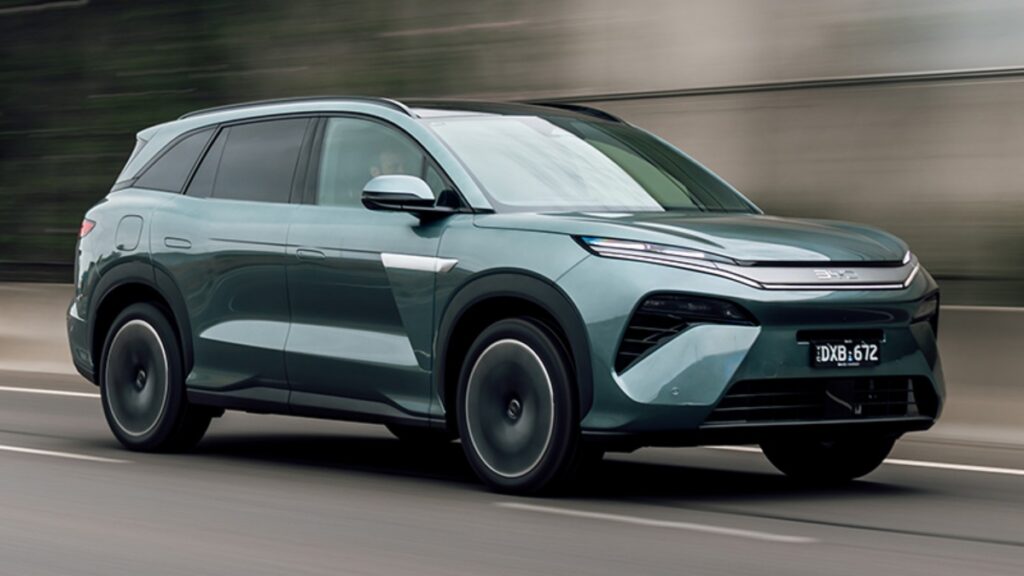
Sales of electrified vehicles, in their various guises, are accelerating in South Africa and today make up 5% of all cars sold in our market.
Last month, the new vehicle market closed the third quarter on a high note, with sales rising 12.7% year-on-year to 61,645 units from the 54,706 units sold in September 2025, according to Naamsa.
Passenger vehicle sales in particular increased 14.7% to 44,291 units, while light commercial vehicles (LCVs), bakkies and minibuses grew 9.6% to 14,361 units.
These numbers were achieved despite increased affordability pressures and a recent 25-basis-point repo rate increase to 7.25%.
Thanda Sithole, Senior Economist at FNB and WesBank, said this performance shows vehicle demand remains resilient, despite higher borrowing costs and renewed pressure from fuel and other living expenses.
The cost of running a vehicle is an important factor in affordability considerations, as headline inflation rose to 4.4% in August from 4.3% in July, with fuel among the contributors to the increase.
Higher fuel prices are also expected to place further pressure on household budgets in October, driving the shift to electrified vehicles.
Naamsa reported that 18,945 new energy vehicles (NEVs) were sold in the first eight months of the year, 13.4% more than the 16,703 units sold during all of 2025.
Of these, approximately one in 20 new vehicles sold this year is electrified, with plug-in hybrids (PHEVs) and battery electric vehicles (BEVs) accounting for more than half of NEV sales.
“As fuel and running costs become an increasingly important part of the vehicle-buying decision, consumers are looking beyond the monthly instalment to understand the broader cost of ownership,” said Sithole.
“The instalment, insurance, maintenance and fuel costs all need to be considered when determining what is genuinely affordable.”
“With the latest repo rate increase still to feed through to repayments, the next few months will provide an important indication of how consumers continue to adapt.”
NEV sales numbers are likely higher than reported

Electrified vehicle sales in South Africa are likely misrepresented in the sales data, since major NEV players Geely, Dongfeng, and iCaur have yet to start reporting sales figures to Naamsa.
That said, according to our sister publication, MyBroadband, energy research body Ember reported a radical increase in electric vehicles and plug-in hybrids shipped to South Africa in 2026.
According to its China Cleantech Exports Data Explorer, these exports reached an all-time monthly high of R1.35 billion in July 2026, around six times higher than last year.
Ember’s data also showed an uptick in exports from around March 2026, coinciding with petrol price increases resulting from the US war on Iran.
The 12-month export value totalled R7.46 billion – nearly four times more than the R1.92 billion recorded over the previous year.
While the reported numbers are already strong, Ember’s data suggest the reported NEV sales figures understate the true size of the market.
That is because Geely, which is one of the brands that does not report its sales to Naamsa, has been overwhelmed by demand for its E2 hatchback.
The Chinese manufacturer reserved 200 units for the South African market, but two months into its launch had received 2,400 orders.
Chery’s iCaur sub-brand is also reportedly selling well thanks to the V23, while Dongfeng has found buyers for the Box hatchback after dropping its price.
While other brands have yet to begin reporting sales figures, BYD continues to dominate with the largest number of EV and PHEV sales each month since it began sharing its figures.
That said, the carmaker saw its first month-on-month sales decline between July and August, presumably due to the Geely E2 outselling the Dolphin Surf.


 Loading ...
-facelift-2-2025.10.webp)