


Over the past three decades, the Road Accident Fund levy grew from 9c per litre in 1997 to R2.25 per litre for the 2026/27 financial year.
The levy is a compulsory tax added to every litre of petrol and diesel sold in South Africa, collected by the South African Revenue Service (SARS) and handed over to the RAF.
It funds the Road Accident Fund, the state entity that pays compensation to victims of road accidents, including for medical costs, loss of income, or support for families of people killed in crashes.
When the modern Road Accident Fund (RAF) officially commenced operations on 1 May 1997, the inherited fuel levy rate was set at 9c per litre.
At first, the levy was increased by 3c per litre every year, a rate which accelerated over time.
By 2003, the RAF levy added 21.5c to the price of a litre of petrol or diesel, and contributed R3.51 billion to the fund, until SARS assumed direct responsibility for fuel levy collection on 1 April 2006.
That year, the levy was increased by 5c per litre, already reaching 36.5c per litre, and adding R7.01 billion to the fund’s coffers. National Treasury provided an extraordinary R2.5 billion cash injection to assist liquidity.
It did so again in the 2008/09 financial year, when the levy was hiked by 5c per litre for the last time. The following year it increased by 17.5c per litre, adding R12.57 billion to the fund.
A predictable 8c per litre increase continued until 2014/15, when the RAF levy reached R1.04 per litre, and net fuel levies surpassed R20 billion for the first time.
In the following financial year, the levy increased by 50c per litre or 48%, to R1.54, which the Finance Minister at the time, Nhlanhla Nene, said was required to finance the RAF’s clearing of the claims backlog.
Between 2021 and the latest financial year, the levy remained at R2.18 per litre, as the fund reached R50 billion in revenue for the first time.
During the 2026/27 financial year, South Africans pay R2.25 per litre to the RAF levy, following a 7c per litre increase. The fund is projected to earn R55 billion this year.
It could have been worse
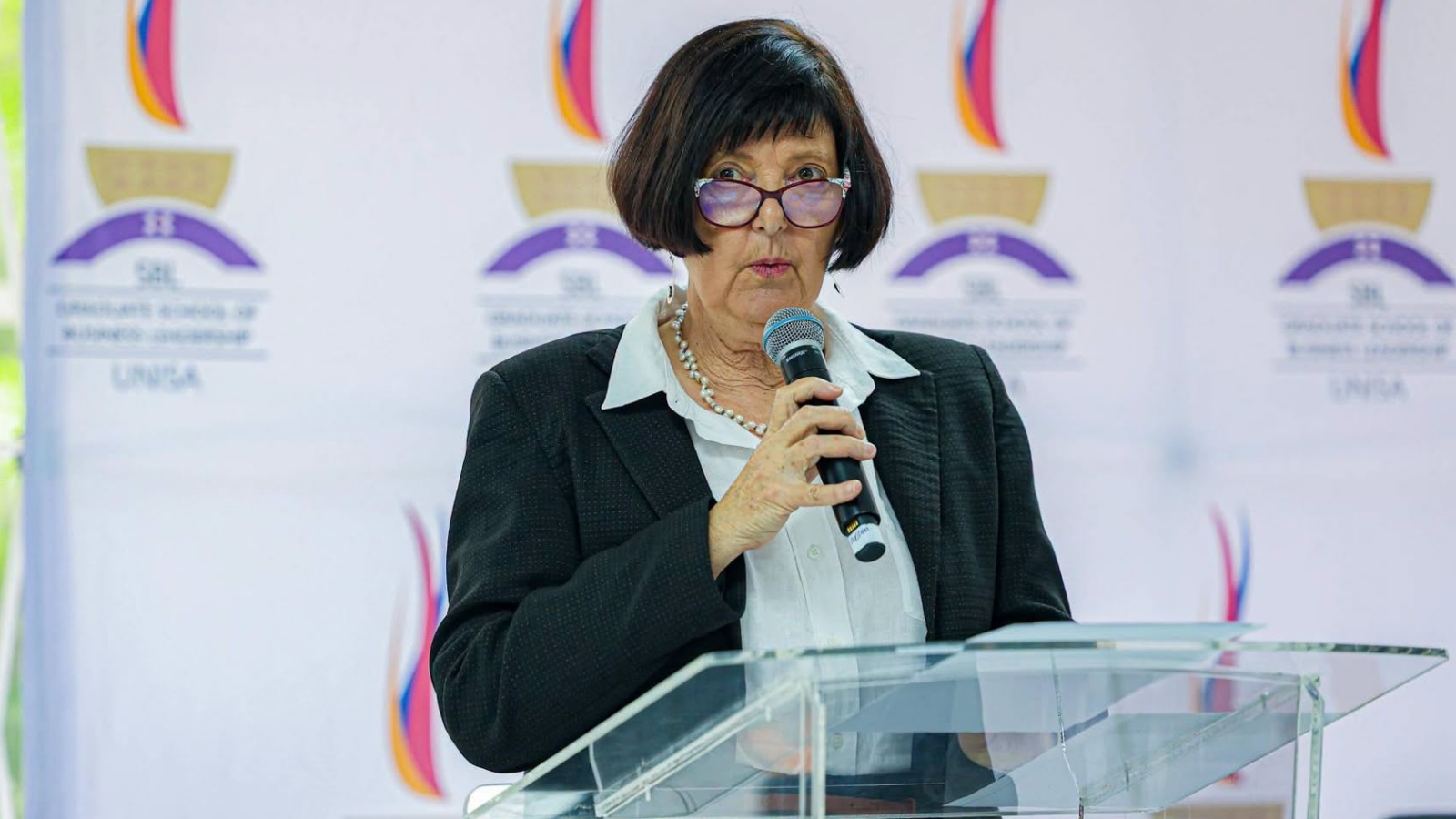
After the RAF suggested hiking the levy 33% to address its dire financial situation, Transport Minister Barbara Creecy said her department would not increase one of South Africa’s main fuel taxes while she is in Cabinet.
She said this after the fund proposed increasing the levy from R2.25 to R3 per litre, despite it already being the second-largest fuel tax in South Africa after the General Fuel Levy (GFL).
The levy generates roughly R50 billion per year, but the RAF said that this is not enough, and argued that it has not kept up with inflation and is losing revenue as a result.
According to the RAF, fuel levies make up 99.4% of its total revenue, and several factors have impacted its performance over the years, including keeping the levy at R2.18 per litre from 2021/22 to 2025/26.
However, Creecy has said she would not support its request, since motorists are already under severe pressure from 2026’s record-high fuel prices.
“As long as I’m in this job, we will not apply to the National Treasury for an increase in the fuel levy,” she said in an interview with eNCA.
“What we have to do is sort out the mismanagement that has happened at the Road Accident Fund for a long time.”
The minister noted that the RAF has an interim board in place and that she has just received Cabinet approval to appoint a new CEO, Waseem Carrim, who will take office on 1 November 2026.
The new RAF management is exploring longer-term legislative reforms, including converting settled claims ready for payment from immediate lump-sum settlements into periodic payments.




 Loading ...
-2026.10.webp)



-2026.10.webp)