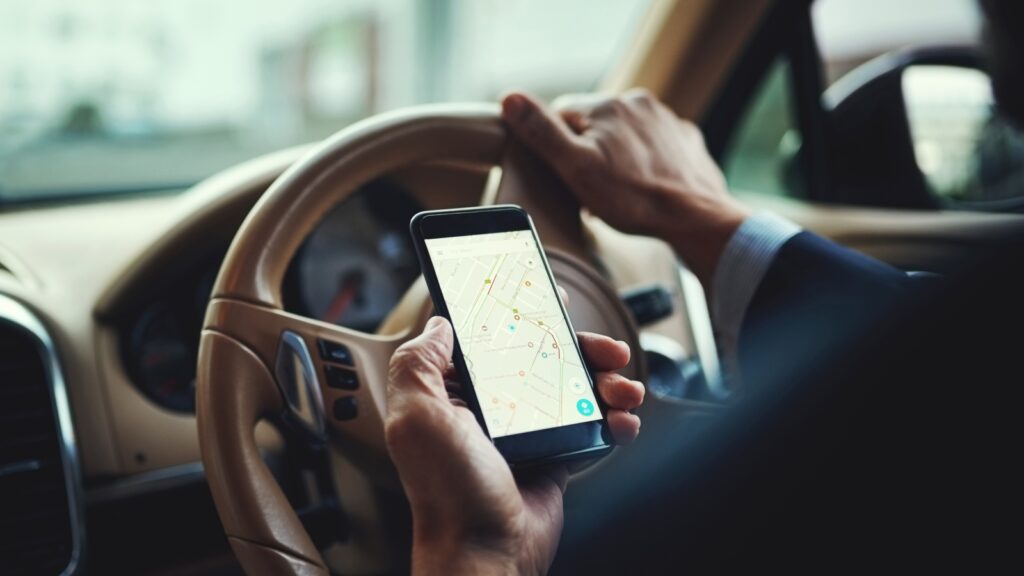
Motorists in South Africa using their car’s navigation or apps like Google Maps and Waze to get around have been warned not to follow them blindly, as some routes may put their lives in danger.
Security specialist Mike Bolhuis explained that GPS navigation applications assist with route planning, traffic updates and directions, but cannot guarantee a recommended route is safe or suitable under prevailing conditions.
“Drivers who follow instructions without assessing their surroundings may encounter unfamiliar roads, poor lighting, infrastructure problems, road closures or situations that increase their vulnerability,” he said.
“In South Africa, where road conditions and security risks can change significantly between locations and times of day, drivers should assess their routes, prepare for alternatives and respond appropriately when circumstances change.”
This came after another South African security specialist and private investigator, Brad Nathanson, shared how he was directed through an unfamiliar, unsafe area while driving through Johannesburg.
He explained that he arrived in the city after dark, hired a car, and followed GPS directions to his accommodation in Sandton – an area he is unfamiliar with.
“The GPS took me off the highway and directed me through Alexandra. I didn’t know,” explained Nathanson.
He explained that the roads were pitch dark, refuse was burning around him, traffic lights were out, and he had no idea where he was or what was happening around him.
“I eventually realised that I was in an extremely tense environment and that I was, quite literally, the only sedan amongst what seemed like an endless stream of taxis and pedestrians,” he noted.
Despite spending 46 years in law enforcement and investigations, and not being someone who is easily unnerved, Nathanson admitted to being “extremely uncomfortable”.
While he left the area as quickly as possible, Nathanson wondered how things could have been different if he had been a woman travelling alone, or a tourist who had no idea where they were.
GPS should support a motorist’s judgement, not replace it

Both security experts agree that Google Maps and other navigation systems are incredibly useful, but they are only designed to find you a route, often the fastest route, not necessarily the safest.
“They don’t necessarily know that the route you’re being sent along may put you into an area where you would not normally choose to travel, particularly after dark,” said Nathanson.
He suggested motorists check their route before leaving, especially when travelling somewhere unfamiliar, and especially at night.
Other suggestions included checking the general areas you’re being directed through, staying on major highways and well-lit main roads if possible, reassessing if you feel unsafe, and telling someone where you’re going.
Bolhuis added to this, urging motorists to configure their GPS to prioritise suitable main roads, avoid unnecessary detours and give enough warning to make decisions before reaching an intersection.
Regardless of the application, the main precautions he suggests are:
- Motorways and toll roads: Enable these only according to your needs. Do not automatically avoid major roads, as they may offer a more suitable route than unfamiliar side streets.
- Choose routes before you depart: Review the route and alternatives before driving, particularly at night.
- Enable traffic alerts: Where available, use alerts for congestion, road closures and reported incidents.
- Enable voice guidance: This reduces the need to look at your phone while driving.
- Download offline maps: Useful when mobile reception is unreliable.
- Set your destination before leaving: Never adjust the route while driving.
“GPS navigation is a valuable travel tool, but its recommendations cannot replace an assessment of road conditions and personal safety,” Bolhuis said.
“Drivers can reduce avoidable risks by reviewing routes before departure, preparing alternatives, maintaining vehicle readiness and changing course when conditions warrant it.”
He added that if a journey becomes unsafe, avoid unnecessary stops and seek assistance where required, noting that a GPS is a guide and should not override sound judgement.




 Loading ...