South Africa’s richest province throws taxi and Uber drivers a lifeline


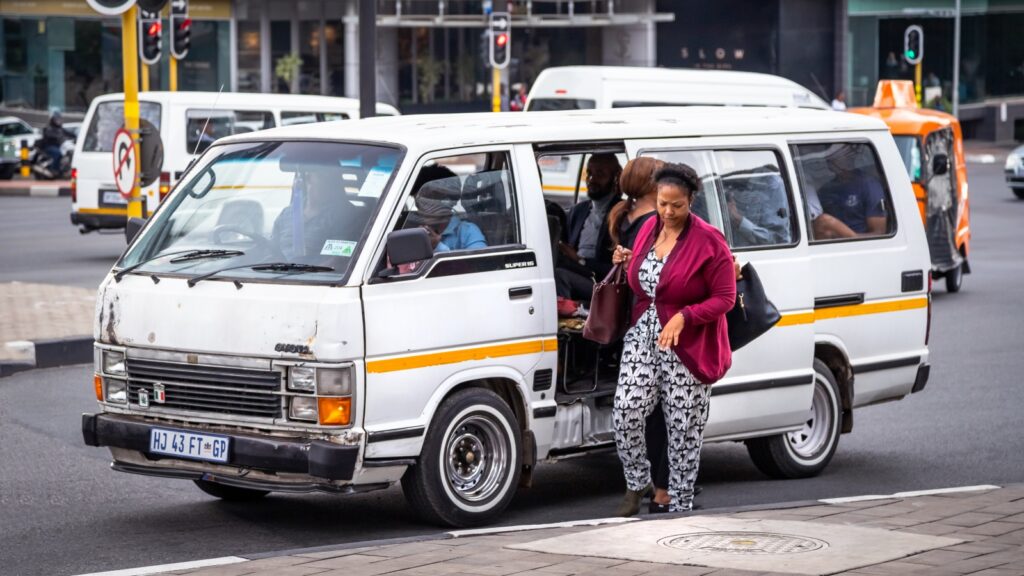
The Gauteng Department of Roads and Transport has suspended three specific Public Transport Regulatory Information System (GPTRIS) requirements for six months to allow industry stakeholder consultation.
This follows several concerns raised by public transport operators, including scholar transport, metered taxis, and the e-hailing sector in the province.
The Gauteng National Taxi Alliance (GNTA) and the South African National Taxi Council (SANTACO) raised three requirements with the Department.
Alongside these, they requested a consultation period before Gauteng’s new automated licensing system is applied across the industry.
The Department granted a grace period of six months after considering their representations, operational implications and relevant legal concerns.
As a result, the following operating application requirements have been temporarily suspended:
- Police Clearance Certificates – The requirement for applicants seeking public transport operating licences to submit police clearance certificates.
- Labour Law Compliance Undertaking – The requirement for applicants to submit a formal undertaking confirming their commitment to comply with the Labour Relations Act provisions.
- Professional Driving Permits (PrDPs) – The requirement for applicants who are exclusively business or operating licence owners, and who do not personally drive public transport vehicles, to hold a Professional Driving Permit.
Transport Operating Licence Administration Boards (TOLABs) were directed to facilitate, consider and process applications for public transport operating licences during the suspension period.
According to the Department, they will do so without requiring applicants to comply with the three specified requirements.
“The Department emphasises that the suspension is strictly limited to the three requirements identified above,” it added.
“It does not constitute a general suspension of any other statutory, regulatory or administrative requirements applicable to the issuing, renewal or amendment of public transport operating licences.”
Gauteng also plans to engage the National and other provincial departments to standardise application requirements for operating licences for all modes of public transport.
It added that the temporary suspension will lapse on 30 April 2027, after which the Department will strictly monitor and enforce compliance across all modes of public transport.
All other requirements are still in place

Gauteng Roads and Transport MEC Kedibone Diale-Tlabela has informed public transport operators that only the three specified requirements have been suspended, and all others remain enforced.
It also needs to be noted that the suspension applies to new applications, and those who are already operating on the province’s roads are required to meet all existing requirements.
During an operating licence handover earlier this year, the MEC explained that operators require valid licences to use public roads and transport citizens for a fee.
By law, the National Land Transport Act 5 of 2009 requires an operator to possess a valid operating licence.
“Possession of an operating licence not only authorises operators to provide services legally but also confirms compliance with regulatory, safety, and operational standards designed to protect passengers and improve service delivery across the province,” she said.
Diale-Tlabela urged operators to maintain high levels of compliance, prioritise passenger safety, and contribute towards building a safe, reliable, efficient, and trusted public transport system.
“Compliance with public transport regulations remains a critical pillar in ensuring the sustainability, integrity and professionalism of the public transport industry,” said the MEC.
Those found not complying will continue to be taken off the road, as was seen recently in Pretoria, when Tshwane Metro Police Department (TMPD) impounded 33 vehicles involved in illegal e-hailing operations.
In another instance, e-hailing drivers in the North West capital of Mahikeng had to suspend their services after their cars were impounded by police.
Both impoundment operations were part of a nationwide crackdown on e-hailing operators, following the implementation of new regulations meant to improve the quality and safety of these services in South Africa.






 Loading ...