R375 million to upgrade roads in one of South Africa’s most important coastal towns


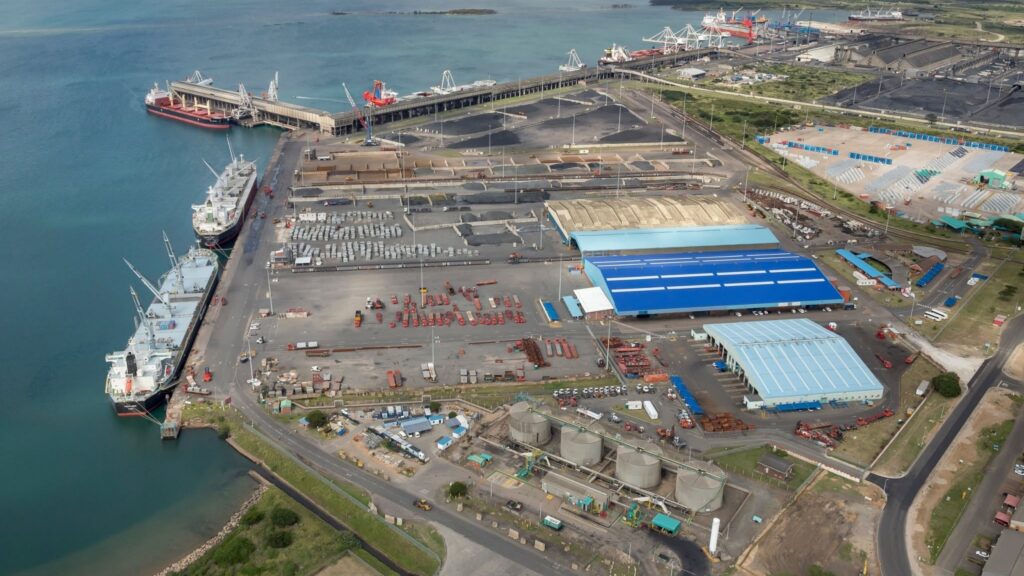
Transnet National Ports Authority (TNPA) has started a rehabilitation programme worth R375 million to upgrade critical road infrastructure at the Port of Richards Bay.
Built in the 1970s, the port is South Africa’s premier dry bulk port and handles between 55% and 60% of the country’s annual seaborne cargo volume.
It is also home to the Richards Bay Coal Terminal (RBCT), the single largest coal export facility in Africa and one of the most important commodity gateways in the world.
That said, its roads require upgrades, as increased heavy vehicle traffic in recent years has accelerated wear and tear on critical routes.
The R375 million investment forms part of TNPA’s infrastructure renewal programme to support cargo growth, improve operational efficiency and strengthen South Africa’s logistics network.
Work will focus on Urania Road, Newark Road and Ventura Road, all of which are key transport corridors within the port that provide access to major terminals and operational facilities.
Upgrades include strengthening road pavement, widening the roads, new concrete surfacing, drainage, and stormwater improvements, as well as road safety enhancements and related infrastructure upgrades.
The 18-month project commenced in October 2026 and, once completed, will improve road capacity and condition, resulting in smoother traffic flow, faster truck turnaround times and greater operational reliability.
Richards Bay acting Port Manager, Winnie Mpanza, said that the investment demonstrates TNPA’s commitment to develop and maintain world-class port infrastructure that enables economic trade.
“The rehabilitation of these key roads will improve safety and ensure that the Port of Richards Bay continues to meet the needs of all port users while supporting future growth and investment,” she said.
“This project reinforces Port of Richards Bay’s role as a strategic gateway for South African trade.”
KwaZulu-Natal’s other critical port is struggling
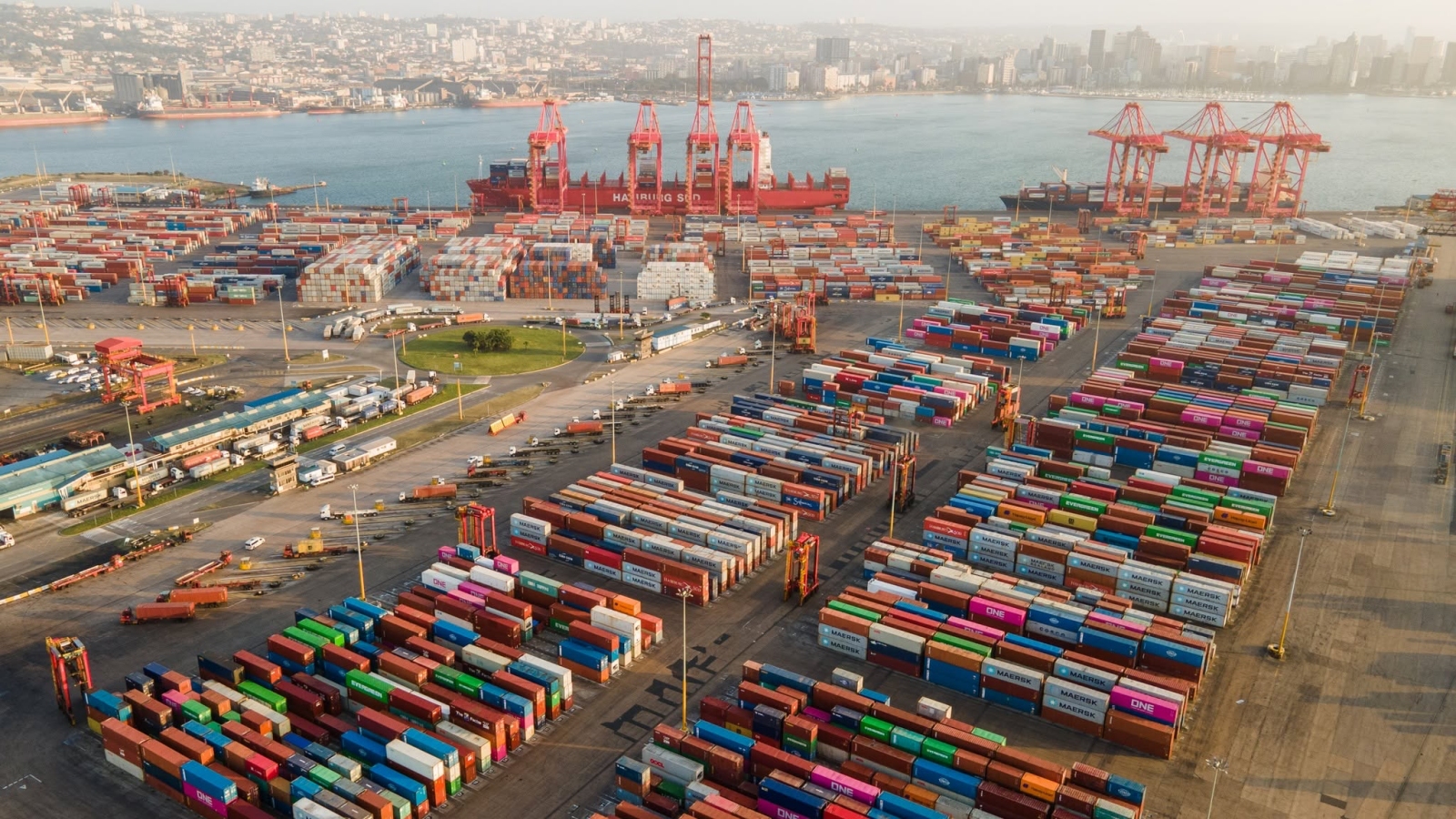
A few hours down the road from the Port of Richards Bay is KwaZulu-Natal’s other critical harbour, the Port of Durban, which is facing an escalating operational crisis.
Durban Harbour is the busiest container port in Sub-Saharan Africa, and handles approximately 60% of the country’s total container traffic, welcoming regular shipments of vehicle assembly and spare parts.
It also features a dedicated Roll-on/Roll-off (Ro-Ro) car terminal that processes hundreds of thousands of vehicles annually.
The port serves as the primary export gateway for local manufacturers, including Toyota, and also handles most imports from markets such as India and China.
That said, MPs Alan Beesley and Malebo Kope warned that recent port reports point to declining performance at Durban Harbour, with long queues and increasing waiting times for ships.
“These reports show excessive average anchorage times of 214 hours, berth times of 123 hours, and a total Durban vessel queue of 33 vessels,” they said in a combined statement.
“These operational challenges are placing immense pressure on the national supply chain, disrupting businesses across virtually every sector.”
They explained that this has added additional costs for thousands of small, medium, and large enterprises in South Africa.
The crisis at the port was linked to a software transition which occurred at the Durban Gateway Terminal in mid-August, also known as Pier 2.
According to reports, the terminal cautioned ships in advance that moving to the new Navis N4 operating system would cause delays, creating a large container backlog that has not been cleared.
“At a time of weak economic growth, South Africa cannot afford to keep scoring own goals. The unfolding crisis at the Port of Durban is one such own goal,” Beesley and Kope said.
“Parliament cannot sit on the sidelines while a strategic economic gateway deteriorates and businesses, jobs and livelihoods are placed under increasing pressure.”
Transport Minister Barbara Creecy visited the site and revealed that container backlogs could take until February 2027 to clear, despite planned near-term investments of R737 million and R1.2 billion over two years.


 Loading ...