
26% prime lending rate for South African car buyers


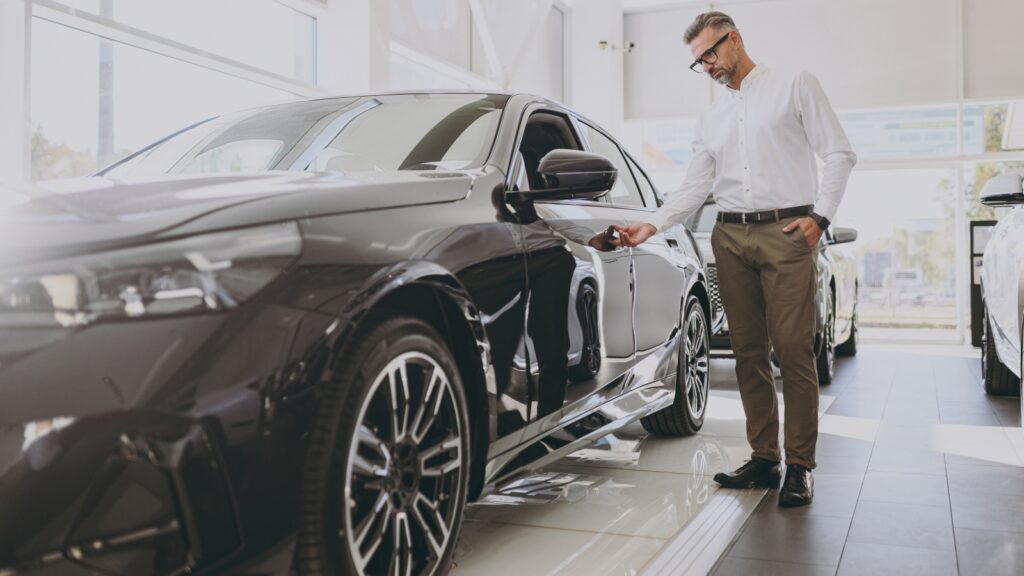
The South African Reserve Bank (SARB) has hiked the repo and prime lending rates for the second time this year, spelling bad news for car loan repayments, but motorists are much better off today than they were in 1998.
After the 1997 Asian Financial Crisis, the South African rand came under severe speculative attack, forcing the Reserve Bank to raise interest rates rapidly, leading to an all-time high prime lending rate of 25.50%.
In South Africa, the prime lending rate is the benchmark interest rate South African banks use to price vehicle finance, among other things, and always sits 3.5% above the repo rate set by the SARB.
In May this year, the central bank’s Monetary Policy Committee (MPC) met and hiked these rates by 25 basis points (0.25%) for the first time since May 2023, before doing so again earlier this month.
As a result, the current prime lending rate sits at 10.75%, while the repo rate is 7.25% – still much better than the all-time high, but a far cry from the best rates South Africans have ever gotten.
Following the 1998 peak, motorists saw rates of between 14% and 16% for most of the 2000s, while this dropped significantly in the 2010s to an all-time low of 7% and 3.5%, respectively, in 2020.
However, this was an emergency measure to help reinvigorate the local economy after the stagnant Covid-19 lockdown period.
To bring these rates into context, we can compare how each rate affects a 5-year, or 60-month, vehicle loan on a car priced at R300,000.
Financing at the prime lending rate at the end of 1998 will result in paying R233,613.19 in interest, while 2020’s rate results in only R56,421.57 in interest payments, while motorists today can expect to spend R89,123.17 more.
Below is a breakdown of how each period’s rates affect vehicle repayments on an affordable car over five years:
| Interest rate | Monthly repayment | Total amount paid | Total interest paid | Interest as percentage of repayment | Difference |
| 7.00% | R5,940.36 | R356,421.57 | R56,421.57 | 18.81% | -R32,701.60 |
| 10.75% | R6,485.39 | R389,123.17 | R89,123.17 | 29.71% | Base Rate |
| 25.50% | R8,893.55 | R533,613.19 | R233,613.19 | 77.87% | +R144,490.02 |
Not every finance deal is financed at the prime lending rate, since some applicants qualify for much lower rates due to better credit scores and risk profiles, while others will pay more than the prime rate, since each application is taken on its own merit.
Interest rates were already pressuring households

The National Automobile Dealers’ Association (NADA) said higher interest rates will add more pressure on already struggling household budgets.
NADA Chairperson Brandon Cohen said the association understands the inflationary pressures behind the decision, but believes another increase in borrowing costs is difficult news for consumers.
He added that this is particularly true at a time when affordability is already influencing vehicle purchasing decisions.
According to the Competition Commission’s latest Cost of Living Report, petrol prices increased by 26% between January and July 2026, while electricity prices have also risen ahead of inflation.
“Consumers are not dealing with higher interest rates in isolation. Vehicle finance, fuel, insurance, vehicle licensing fees, electricity, food and other essentials all compete for the same disposable income,” added Cohen.
“It is the cumulative impact that ultimately determines what households can afford.”
The Cars.co.za 2026 South African Automotive Industry Report, which was released before the MPC raised interest rates, found that a new hatchback selling for R294,000 costs over R11,700 per month to own.
This total includes monthly repayments and other vehicle ownership costs, like insurance, fuel, and maintenance.
“Finance repayments account for less than half of this total, highlighting the growing influence of fuel, insurance and maintenance costs in the ownership equation,” it said.
“Fuel, insurance and maintenance now make up a significant share of monthly ownership costs, illustrating how vehicle affordability extends well beyond the purchase price.”



 Loading ...
-2026.10.webp)


-2026.10.webp)
Conversation
1 commentsIn 1998 there were probably only two cars available in the country that actually cost R300 000.
But yes, salaries were lower etc, so it was still a very big blow.