


A pilot project for plastic-infused roads in the Kouga Municipality in the Eastern Cape has yielded positive results, spelling a bright future for this type of road technology in South Africa.
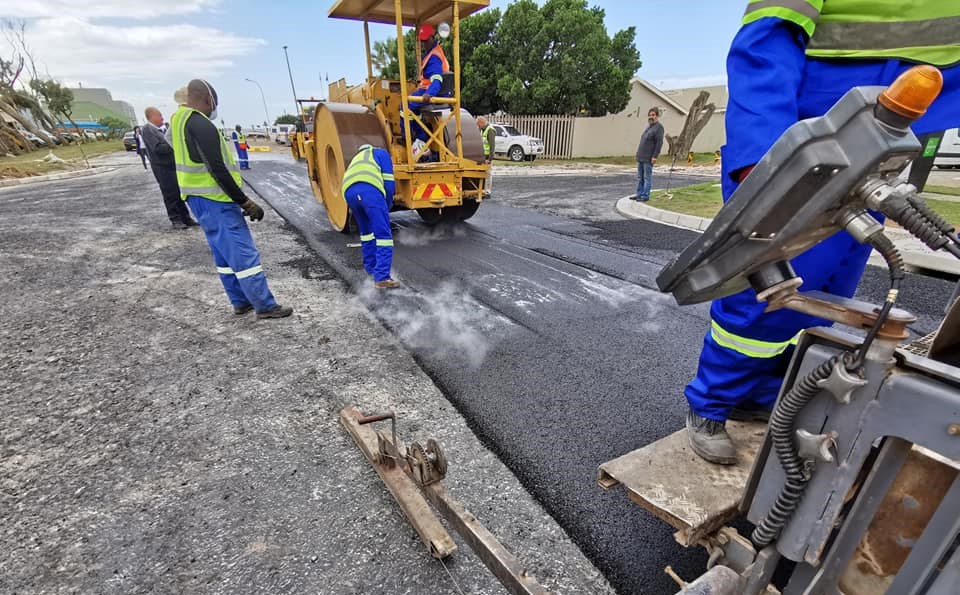
In 2019, the Kouga Municipality made headlines when it announced that it would be trialing a first-for-Africa road technology incorporating traditional tarmac combined with plastic waste.
Back then, the municipal government was facing a backlog in road repairs of R500 million and was forced to think of innovative ways of meeting its mandate of ensuring roads are driveable whilst staying within budget.
“While Kouga is strong financially, we simply do not have the rates base to deal with this backlog decisively,” said Horatio Hendricks, who at the time held the role of Executive Mayor of Kouga Municipality.
The idea of using plastic waste for road maintenance and upgrades was first tabled to the Provincial Legislature in 2017, but was voted against by the powers that be.
Come 2019, Vicky Knoetze, a member of the Eastern Cape Legislature, organised a meeting between the Kouga Municipality and Scottish firm MacRebur, whose plastic roads have already been trialed in numerous countries across the globe, as well as Port Elizabeth-based civil engineering and construction companies SP Excel and Scribante Construction.
The stakeholders agreed to launch a pilot project for the plastic road at no cost to the municipality, with the respective partners vowing to foot the bill.
The Kouga Municipality thus announced in March 2019 that it would be launching the Africa-first initiative the following month, with a 1km stretch of Woltemade and Koraal Streets in Jeffreys Bay earmarked for the pilot.
By October of the same year the municipality had completed a 300m strip of Woltemade street, which comprised the use of approximately 700kg of recycled plastic waste.
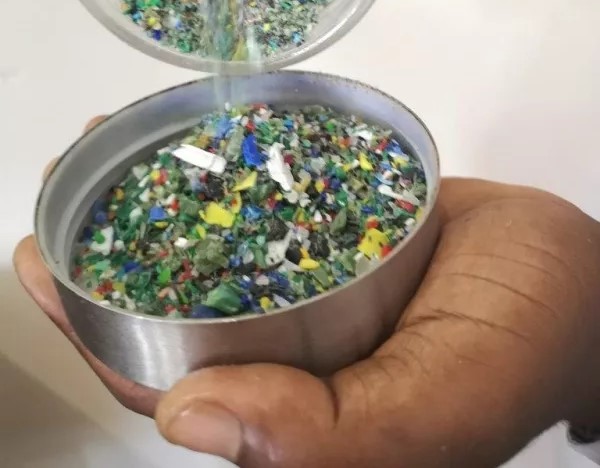
The municipality said that 1.5 tonnes of plastic, the equivalent of 1.8 million single-use bags, could be used in just 1km of road.
Triple threat
Kouga authorities noted that the plastic-infused road still looked in great condition towards the end of 2023, in fact, far better than what a traditional tar road looked like that was built by the same contractor in the same year.
Also in 2019, some 200 tonnes of plastic-infused tarmac was laid down on the N3 highway between Durban and Johannesburg.
Thus far, this project seems to be delivering similar results to the Jeffreys Bay trials, BusinessTech reports.
Plastic is inherently more resistant to water ingress than normal tarmac and therefore fairs better over time in terms of pothole formation and edge deterioration, with the potential to last twice as long as normal roads.
The cost of the technology is similar to that of traditional tarmac, too, according to Hendricks.
As such, plastic-infused roads simultaneously address three major headaches for the authorities namely unemployment, expensive road maintenance backlogs, and marine pollution.
While the Department of Transport has yet to make any official announcements with regard to integrating plastic waste roads into the country’s arsenal for road repairs, the successful pilot projects should go a long way to enable municipalities to use the technology for service delivery in the future.
MacRebur, the company that developed the plastic pellets, also plans to eventually open a new manufacturing plant for the innovative product in South Africa, said the Kouga Municipality, should it become more widely used.





 Loading ...
-2026.10.webp)



-2026.10.webp)