


BMW has been on a drive to localise content in the new X3, which should contribute to more competitive prices in the future.
The latest step in this endeavour has seen Yanfeng Plastic Omnium (YFPO), an automotive component producer with strong ties to BMW, setting up a component manufacturing facility on South African soil.
The R1-billion plant will mainly be producing painted plastic exterior components for the new SUV built in Rosslyn, Pretoria, as well as supply the automaker with “cutting-edge materials and manufacturing processes, lightweight and environmentally friendly solutions, and integrated smart technology,” said YFPO General Manager Jerry Ni.
This holds potentially great news for future customers of the evergreen “Sports Activity Vehicle” – as BMW likes to call it.
With more parts sourced within South Africa’s borders, the automaker will be spending less on shipping costs and far less on import tariffs, the latter of which are currently set at 20% of the value of these components.
The shorter distance between where the parts are made and where they are used, combined with fewer global supply chain delays, may also allow BMW to cut spending on storage.
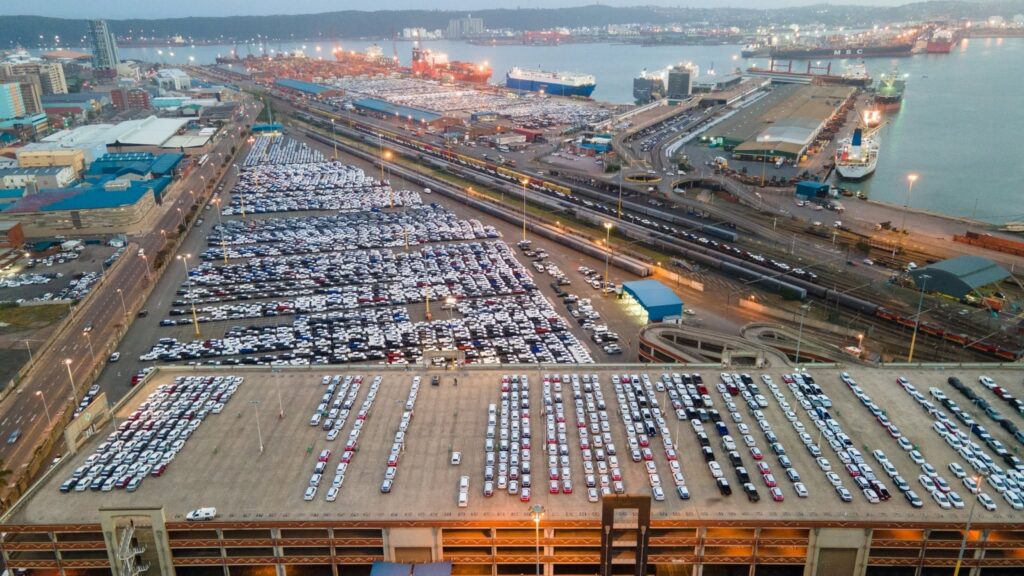
The company may now no longer have to keep emergency supplies on hand that can last weeks or even months should there be issues in international waters or at the port in Durban, it’s just a hop, skip, and a jump over the road to ask YFPO for more should it be running low.
Additionally, BMW this week announced that it set up a new 5,200m² logistics warehouse at its Rosslyn premises which will store various parts for the new X3 and ensure timely delivery of these to the assembly line to avoid production delays.
Not only will this warehouse further slash delivery costs by being situated in close proximity to both the YFPO parts hub and the X3 assembly plant, but it will also contribute to shorter lead times, which is the amount of time it takes from when a part is ordered by the factory to when it’s delivered, all of which saves money in the end.
In the future, these savings could be passed on to the consumer through less severe price hikes than what we would have seen had BMW’s manufacturing partner kept its distance from South Africa.
We don’t expect the new X3 to suddenly compete with the Havals and Cherys of the world in terms of price, but we do anticipate that it will undercut its rivals in the future, the Audi Q5 and Mercedes-Benz GLC, thanks to these localisation initiatives.

BMW’s Rosslyn Logistics Warehouse
A R4.2-billion commitment
BMW invested a substantial R4.2 billion into South Africa in preparation for the production of the new X3, which officially kicked off this October.
The multi-billion-rand injection was required to upgrade the facility, which was first established in 1973, with enhanced equipment that can produce plug-in hybrid (PHEV) drivetrains for the very first time.
Plant Rosslyn is the only one in the company’s global production network that has been upgraded to produce the X3 PHEV, making it an incredibly valuable asset for BMW’s future operations.
This investment also helped secure jobs not just at the factory itself, but also across the local supply chain and retail network which is estimated to employ over 50,000 people both directly and indirectly.
“We have finally arrived at the start of production of the next-generation BMW X3. We have eagerly awaited and prepared for this and I am thrilled that we can begin this next chapter of the successful BMW X3 story here in South Africa,” said BMW Group South Africa Plant Director Dr Niklas Fichtmüller.
“Our teams have worked tirelessly and diligently to meet every milestone to this point. This moment encapsulates their commitment to providing a world-class product from South Africa for the world.”


 Loading ...
-2026.10.webp)

-2026.10.webp)