
Know your rights when travelling on South Africa’s roads this December


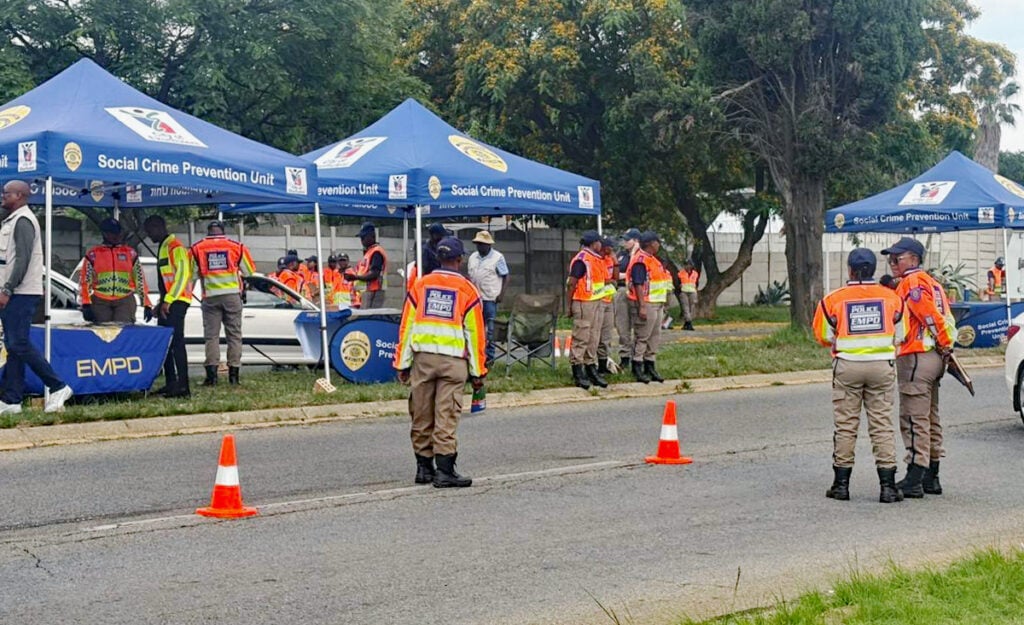
As countless South Africans hit the roads over the Christmas period, many will face a number of roadblocks on their travels.
The Department of Transport has already launched a road safety campaign to reduce road accidents and fatalities over the festive season, with priority routes including the N1, N2, N3, N4, N17, and many secondary roads.
These roadblocks are typically enforced to identify drunk drivers, check the validity of licences and vehicle registrations, and search for illegal goods.
Wherever you are going, you are likely to encounter an increased number of roadblocks, and the onus is on you to know your rights when pulled over.
It is however important to note that there is a difference between a roadblock and a roadside check, says Arrive Alive.
Roadblocks physically block the traffic in one or both directions, actively impeding the flow of traffic. They are regulated by Section 13(8) of the SAPS Act, and are allowed under the Constitution.
However, as paraphrased by Arrive Alive, the Act requires written authorisation for the roadblock, stating the date, approximate duration, place, and object of the proposed action.
Proper signage, traffic cones, and barriers must be placed near and at the roadblock.
On the other hand, a roadside check does not block the road or actively impede traffic – traffic officers park on the side of the road and pull over random vehicles.
What you must and must not do
Whether you are faced with a roadblock or a roadside check, you are obligated to stop. Failure to stop is a criminal offence.
At a properly authorised roadblock, law enforcement officials may search your person and or property without a warrant.
At a roadside check, law enforcement officials may search your person and/or property without a warrant if you consent to a search or they have reasonable grounds to do so.
Fines SA says that the police cannot demand payment for outstanding traffic fines on the spot.
“Be extremely cautious if the person at the roadblock, in police uniform or otherwise, asks you to accompany them to an ATM to pay a fine. Do not agree to go.”
“Likewise – police cannot prevent you from proceeding on a journey because of an outstanding traffic fine, or arrest you for outstanding fines without following due process.”
“But they can arrest you if they can prove a warrant of arrest has been issued against you,” said Fines SA.
In this case, you may demand to see proof of a warrant of arrest if one is claimed to exist.
“The only time you can be arrested at a roadblock is if an officer presents you with a valid warrant of arrest,” Kirstie Haslam, a partner at DSC Attorneys, told Sowetan Consumer.
“In that situation, you may legally be detained until the fine linked to that warrant is settled. But without a warrant, officers have no authority to demand on-the-spot payment with or without a card machine,” said Haslam.
Additionally, Haslam said that motorists are entitled to ask for proof that the roadblock has been authorised. Random or unauthorised stops could be unlawful.
Haslam further said that motorists can record or film their interactions with officers, provided they don’t obstruct the roadblock or interfere with duties, and they can request a breathalyser’s calibration be verified, if stopped for suspected drunk driving.
“A calm, respectful approach goes a long way. Recording the interaction can protect both parties if there’s a dispute later. The key is to document, not provoke,” said Haslam.



 Loading ...