


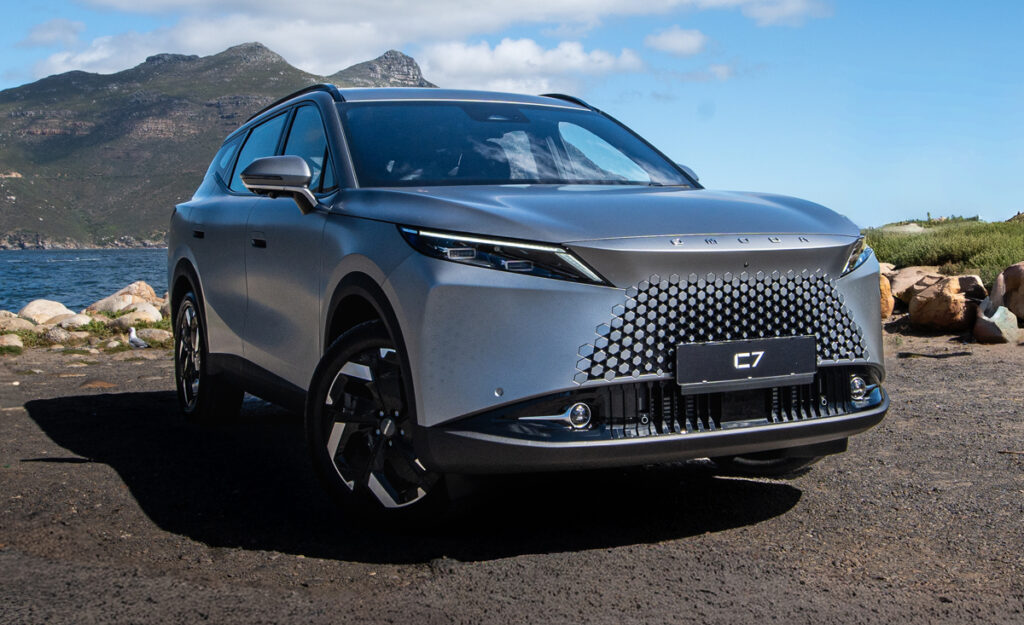
New-energy vehicles (NEVs), which include electric, hybrid (HEV), and plug-in hybrid (PHEV) models, are quietly taking over the South African automotive sector.
No less than 23 brands sell NEVs in South Africa, and in the final quarter of last year, these brands reported an increase in sales of 3.5% from the year before, shipping a total of 4,764 units in the fourth quarter of 2025.
It must be noted that one of the major players in the NEV segment, BYD, does not report its local sales figures to the Automotive Business Council (Naamsa), but has managed to overtake Ford in global sales.
According to the major automotive finance house, WesBank, the rise in popularity of these vehicles is understandable.
It said the rise of these vehicles can be attributed to an increase in environmental concerns amongst buyers, and widespread calls for cleaner transportation.
Other relevant factors include fuel price volatility, strict emissions regulations, and advances in battery technology, electric motors, and charging infrastructure.
During his latest State of the Nation Address (SONA), President Cyril Ramaphosa announced a 150% tax deduction for investment in NEVs, further supporting South Africa’s adoption of these vehicles.
Naamsa welcomed the announcement, as well as the announcement that the government will support local battery production, improving investor confidence, especially from global parent companies allocating future vehicle platforms.
The council did stress that South Africa’s transition framework must remain technology-neutral, export-aligned and globally competitive.
It said a credible transition pathway must recognise battery electric vehicles (BEVs), PHEVs and hybrid technologies as part of a sequenced and realistic decarbonisation trajectory.
Naamsa’s Chief Policy Officer, Tshetlhe Litheko, said investment decisions for future vehicle platforms are being made now.
“Clarity on implementation rules, timelines and incentive structures is critical,” he added.
“A technology-neutral framework, combined with supportive domestic market measures, will significantly enhance South Africa’s competitiveness in attracting new model allocations and sustaining export growth.”
More segment growth expected
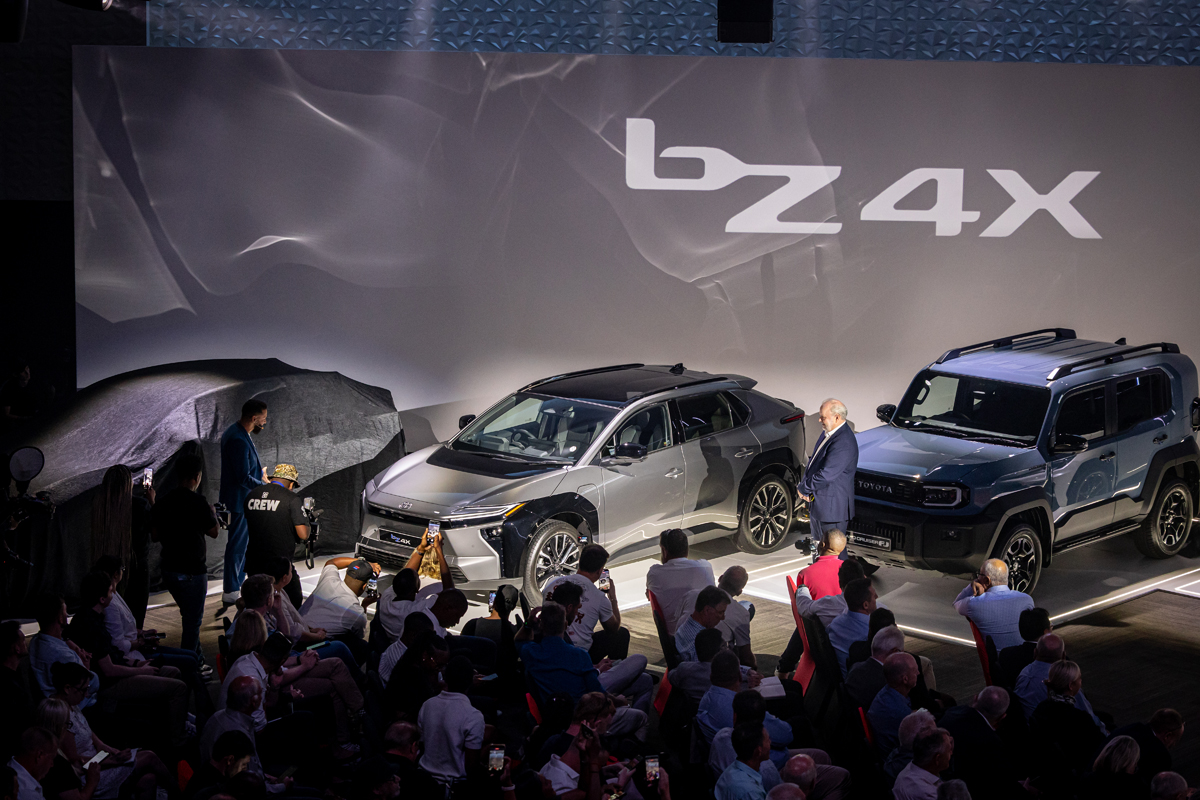
During its State of the Motor Industry (SOMI) event, Toyota South Africa unveiled new models being released later this year.
What was notable was that the Japanese brand placed increased emphasis on NEVs in the line-up, including its first fully-electric models, the bZ4X and its fully electric sibling, the Lexus RZ.
Alongside these, the brand also announced a hybrid-electric Land Cruiser 300, a PHEV RAV4, and even two hybrid supercars.
Several new Chinese brands are also entering the market this year, with many offering NEV models throughout their line-ups.
Joining Toyota’s NEVs are iCaur, Denza, Farizon, Riddara, and Zeekr, all of which are either sub-brands of Chery, BYD, or Geely.
These new offerings will have to compete with the existing range of NEVs in South Africa, which range in price from R341,900 for the cheapest electric, the BYD Dolphin Surf, to multi-million rand supercars.
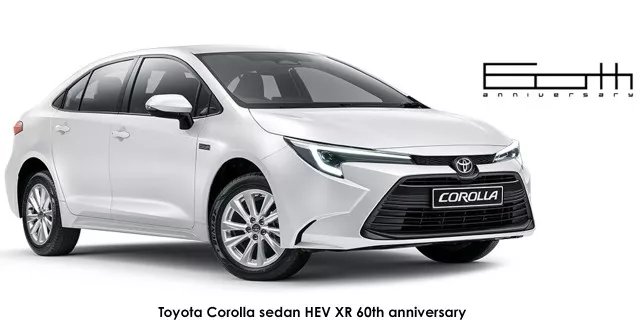
Somewhere in between, each of these will have to find its own market, competing with popular hybrids, including the Toyota Corolla Cross, and bakkie offerings like the BYD Shark 6.
WesBank noted that as technology advances, charging infrastructure expands, and more affordable models are introduced, NEVs will be seen increasingly as a viable mobility option by car buyers in South Africa.
Naamsa is also committed to structured engagement with the local government to advance an integrated policy approach that enables a technology-neutral NEV transition.


 Loading ...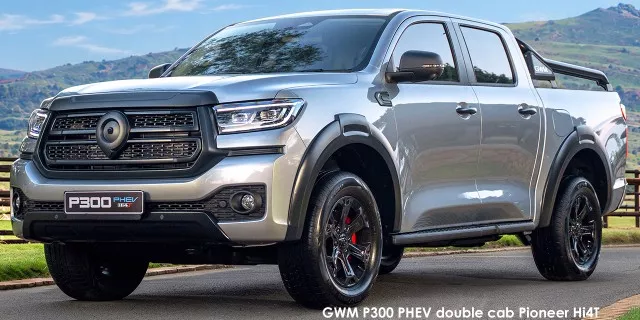
-facelift-2-2025.10.webp)
