Despite major shifts in buying and selling behaviours in the pre-owned car market in South Africa, the sector recorded a strong year of growth last year, generating over R160 billion in 2025.
This is according to AutoTrader, whose data suggests both dealerships and buyers reshaped themselves under pressure, emerging more disciplined, more data-driven, and more value-aligned than ever before.
Local car buyers were forced to evolve due to interest rate shifts, inflation pressure and global supply changes.
“One thing became unmistakably clear: the modern South African car buyer has evolved,” notes AutoTrader CEO George Mienie.
“This is no longer a brand-driven market; it is a value-driven one.”
The online marketplace recorded more than 649 million searches and 439 million advert views in 2025, and Mienie says this represents more than merely online activity.
“We are witnessing sophisticated behavioural change in both buyers and sellers. Consumers are researching more, comparing longer, and entering dealerships armed with acute context,” he says.
“Casual browsing has given way to calculated decision-making.”
Buyers are not the only ones who have made a shift. Mienie adds that dealers are using stock velocity figures to their advantage, instead of merely a theoretical metric.
“Smart dealers aligned using demand, supply, brand and pricing transparency to their advantage, which is being rewarded with faster stock turnover, better price to market and stronger cash flows,” he notes.
In total, the used car market generated a total of R160.1 billion in sales last year, a 7% year-on-year increase, with 383,410 units sold.
The average pre-owned car sold for R417,584, with an average mileage of 73,646km on the odometer. On average, cars sold in the used market were around five years old.
AutoTrader notes that this reflects broader market health, with the average price of a used vehicle increasing by 3% compared to the previous year.
Despite the average model year advancing a year, the average age remained consistent, demonstrating a continued consumer preference for relatively young, affordable used cars.
The big picture

The data reveals an entrenched consumer preference for affordability, reliability, and practical utility.
“Affordability now defines consumer aspiration, and the price-to-value delta shift is real,” says Mienie.
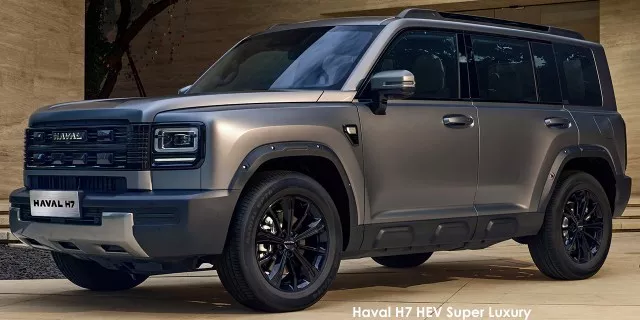
“This is very evident with Chinese manufacturers who have capitalised on the perceived price-to-value delta.”
AutoTrader noted an increase of 48% in searches for Chinese brands, while enquiries rose 74%, and sales climbed 49%.
“While established leaders like the Ford Ranger, Volkswagen Polo Vivo, and Toyota Hilux maintained their sales dominance, reduced financing costs accelerated demand for smaller, economical vehicles,” adds Mienie.
This could be seen in the surge in popularity of compact hatchbacks, many of which sold within less than 30 days of being listed, driven by popular models like the Suzuki Swift and Toyota Starlet.
Similarly, demand for compact SUVs increased, with models like the Toyota Corolla Cross offering buyers versatility and practicality while balancing budget constraints.
At the same time, buyers were prioritising budget-friendly options; many also looked towards the new-energy vehicle (NEV) market for long-term financial benefit.
NEV sales increased by 73% year-on-year, with hybrid vehicles accounting for 85% of all sold NEVs, signalling consumer pragmatism as they embrace efficiency, but doing so rationally regarding the total cost of ownership.
“Market performance throughout 2025 reinforced buyers’ commitment to reliable, budget-conscious vehicles that fulfil essential transportation needs while respecting financial boundaries,” notes Mienie.
“This disciplined purchasing approach continues to drive sustainable market growth.”






 Loading ...