Major university to produce alternative petrol source in South Africa


South Africa’s immediate energy future looks uncertain at best, leading many to seek not only more stable and predictable energy sources, but also cleaner ones.
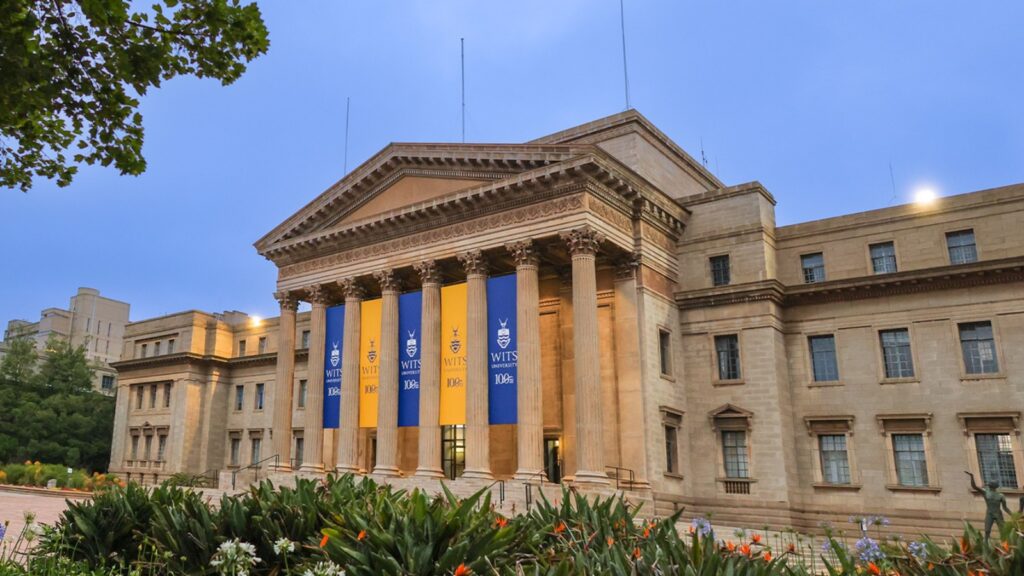
One such institution is the University of Witwatersrand (Wits University), which is building a R100 million pilot plant in hopes of producing hydrogen by 2028.
It is the most abundant element on earth, and is primarily found in compounds rather than in its elemental form, most commonly as water and hydrocarbons found in fossil fuels.
Hydrogen is considered a clean gas when it is produced using renewable energy sources like electrolysis – using renewable energy to split water molecules into hydrogen and oxygen – which does not produce carbon dioxide.
The fuel source first gained interest as a potential alternative because it only produces water vapour as a byproduct when used in fuel cells or combustion engines, making it a zero-emission energy carrier.
Hydrogen is currently used as an alternative fuel source all over the world, as well as on our own shores.
Internationally, it is popular amongst Asian nations, with South Korea leading passenger car usage, while in China, hydrogen is used as a major fuel source for trucks and buses, significantly reducing emissions.
Several major car manufacturers also offer hydrogen fuel cell (FCEVs) options, including the Toyota Mirai, BMW iX5 Hydrogen, and Hyundai Nexo – though these are not available locally.
However, conversion and retrofitting kits do exist in South Africa, allowing motorists to make the transition to a more economical and environmentally friendly fuel source.
This fuel is exactly what the Wits-South Africa Hydrogen Localisation Initiative (Wits-SAHLI), funded by Air Liquide and the Localisation Support Fund (LSF), is looking to produce.
Producing green hydrogen in South Africa

To ensure its production is clean, the Wits-SAHLI plant will use water and solar energy to produce hydrogen through the process of electrolysis.
The plan is to produce around 2.2kg of hydrogen every hour, storing up to 200kg of the gas on site.
Wits University will use the hydrogen for campus energy needs, including campus transport projects such as hydrogen-powered vehicles.
Professor Rodney Genga, Wits-SAHLI design team lead, explained that the facility will change how students learn and how research is done.
“This is not a laboratory experiment. It is a working plant on a university campus,” he said.
“Our students will learn in a real operating environment. They will see how hydrogen is produced, stored and used at scale. That kind of exposure builds confidence and skills that South Africa urgently needs.”
The university’s Vice-Chancellor and Principal, Professor Zeblon Vilakazi, added that the initiative strengthens the university’s role in shaping the country’s energy future.
“We are proud to be at the forefront of driving innovation that addresses the critical challenges of our time,” he said.
“Wits-SAHLI aligns perfectly with our mission to advance the frontiers of knowledge, produce world-class research and nurture talent that will build new industries and lead in the global green economy, for good.”
South Africa’s own Hydrogen Society Roadmap aims to cement the country as a major producer of green hydrogen by 2030, targeting the production of up to 500,000 tonnes.
“Our goal is to ensure that as the hydrogen economy grows, South Africa is equipped with a home-grown workforce and a competitive network of local suppliers,” said Nkululeko Magadla, Air Liquide Southern Africa CEO.
“Wits-SAHLI is yet another tangible demonstration of our commitment to the decarbonisation of South Africa while empowering a local ecosystem.”






 Loading ...