
The biggest winners and losers in South Africa’s automotive sector


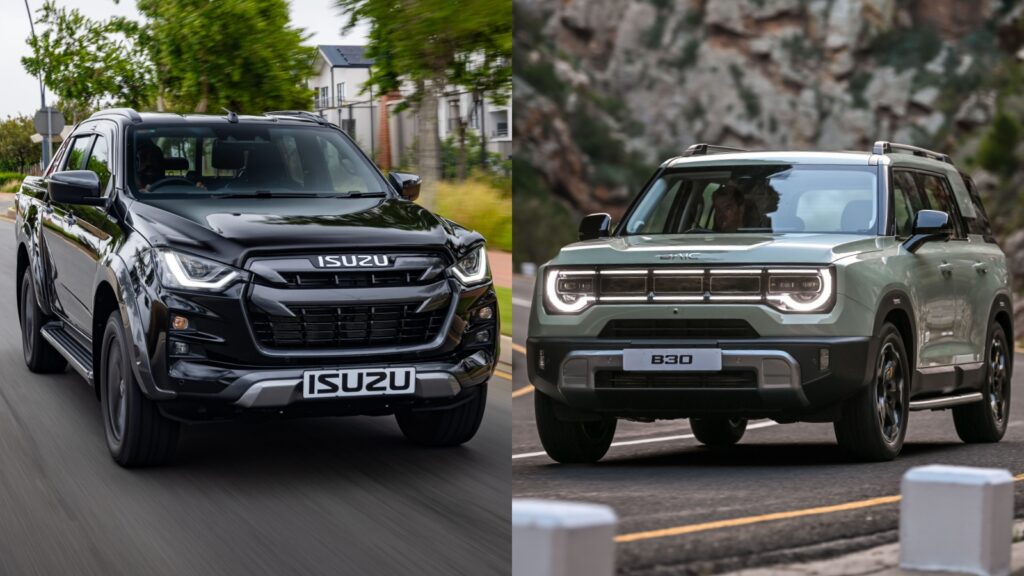
South Africa’s automotive sector has faced several disruptions since the start of the year, despite the strong momentum carried over from 2025, which has helped some automakers and hindered others.
The year started on a high note, with the Automotive Business Council (Naamsa) reporting that aggregate domestic passenger vehicle sales in January reached 37,190 units, a 7.1% increase compared to last year.
Naamsa noted the performance was not merely due to last year’s momentum carrying over, but rather a shift in consumer demand supported by moderating inflation, stable macroeconomic variables, and a resilient consumer base.
In February, while export figures fell, the new passenger car market saw 37,576 units sold, which represented an increase of 3,826 units, or 11.3%, compared to the 33,750 new cars sold in February 2025.
Following February’s performance, Naamsa noted that it reflected a broader improvement in South Africa’s underlying demand fundamentals.
“Private sector credit extension accelerated to 8.7% year-on-year in December, driven predominantly by robust corporate borrowing, while household credit growth improved gradually as cumulative interest rate reductions since late 2024 filtered into asset finance markets,” it said.
“Vehicle asset finance activity has strengthened as cumulative interest rate cuts since late 2024 improve affordability and support buyer sentiment.”
Following the start of the Middle East unrest, global carmakers feared the disruption that closing the Strait of Hormuz might cause, but this did not stop South Africa’s new passenger car market.
In March, the new passenger car market reached 39,370 units sold, an increase of 6,054 units, or 18.2%, compared to the 33,316 new cars sold in the same month last year.
Naamsa noted that March’s performance reflected a continued resilience in domestic demand, underpinned by improved consumer and business confidence, and supportive inflation dynamics earlier in the quarter.
However, it did warn that the external environment has shifted, introducing new risks that are likely to shape demand conditions in the months ahead.
South Africa’s biggest winners and losers in 2026
While the overall new vehicle sector in South Africa recorded sustained growth throughout the first quarter of the year, not all brands were so lucky.
Throughout the year so far, some manufacturers recorded growth of several thousand units per month, while others lost nearly the same number of buyers over the same period.
Below is a table of the five brands with the highest growth in terms of units sold, as well as the five brands that saw the biggest fall-off in units sold.
| Manufacturer | January sales | March sales | Unit change |
| Isuzu | 1,385 | 3,142 | +1,757 |
| Toyota | 11,491 | 12,929 | +1,438 |
| VW | 4,752 | 5,519 | +767 |
| Mahindra | 1,671 | 2,280 | +609 |
| BMW | 1,094 | 1,588 | +494 |
| Manufacturer | January sales | March sales | Unit change |
| Suzuki | 6,410 | 5,047 | -1,363 |
| Kia | 1,888 | 1,646 | -242 |
| BAIC | 228 | 177 | -51 |
| Renault | 1,415 | 1,407 | -8 |
Looking at individual units sold is not the only way to measure a brand’s success or failure in the South African market, especially for emerging brands or ones that sell a lower number of cars every month.
To measure their progress, one has to look at the percentage of growth or decline they have shown over the period, as can be seen in the two tables below.
| Manufacturer | January sales | March sales | % Change |
| Subaru | 19 | 48 | +152.6% |
| Isuzu | 1,385 | 3,142 | +126.9% |
| Proton | 5 | 10 | +100.0% |
| Mitsubishi | 130 | 241 | +85.4% |
| Changan | 72 | 118 | +63.9% |
| Manufacturer | January sales | March sales | % Change |
| BAIC | 228 | 177 | -22.4% |
| Suzuki | 6,410 | 5,047 | -21.3% |
| Kia | 1,888 | 1,646 | -12.8% |
| Mazda | 234 | 209 | -10.7% |
| Renault | 1,415 | 1,407 | -0.6% |
When looking at the two tables, it is easy to crown Isuzu the clear winner, with the Japanese bakkie builder more than doubling its sales in the first three months of the year, and climbing into the top five
Toyota’s growth is also commendable, though it was a small percentage for an already well-performing brand, while VW, Mahindra and BMW also showed good growth.
Suzuki saw its sales drop off the most in terms of individual units sold, recording a more than 20% decrease in sales from January to March.
Despite this, they are still among the country’s top three best-selling brands, and have been for quite some time, meaning this drop-off will likely only be temporary.
Other brands with tough starts to the year include BAIC, Kia, and Renault.





 Loading ...
-2026.10.webp)


-2026.10.webp)