


Following allegations that FlySafair’s growth prospects have been constrained by a lack of capacity within the Air Traffic and Navigation Services (ATNS), the service has hit back at the airline’s “misleading remarks”.
Last week, South Africa’s biggest airline said air-traffic control constraints were forcing it to tailor flight schedules to account for capacity restrictions at the OR Tambo International Airport (ORTIA).
The airline claimed that runway and air-traffic management capacity are its biggest constraints while ATNS works to restore staffing levels and modernise systems.
FlySafair Chief Marketing Officer Kirby Gordon told Bloomberg that these show up as departure delays and extended taxi times.
It must be noted that FlySafair has not had to delay or cancel planned route launches because of these constraints, but noted that the limitations have become a factor it designs schedules around.
In response to questions by TopAuto, ATNS admitted that it has experienced operational challenges, but added that it is important to recognise the significant progress made to restore its flight procedure capability and navigation system resilience.
For years, the local aviation sector has been grappling with a shortage of air traffic controllers and failures in maintaining instrument flight procedures, which pilots rely on when visibility is low.
Last year, over 340 procedures expired or were suspended after ATNS failed to complete maintenance on time, leading to flight delays and cancellations during poor weather.
In 2024, Transport Minister Barbara Creecy appointed an expert intervention team after the problems escalated.
This team found critical shortages of air traffic controllers, poor communications and navigation systems, suspended instrument procedures, and weaknesses in safety governance.
Bloomberg reported that the government has started recruiting staff and upgrading systems.
However, it warned that many procedures wouldn’t be restored before temporary exemptions expired, requiring authorities to prioritise the country’s busiest airports.
ATNS sets the record straight
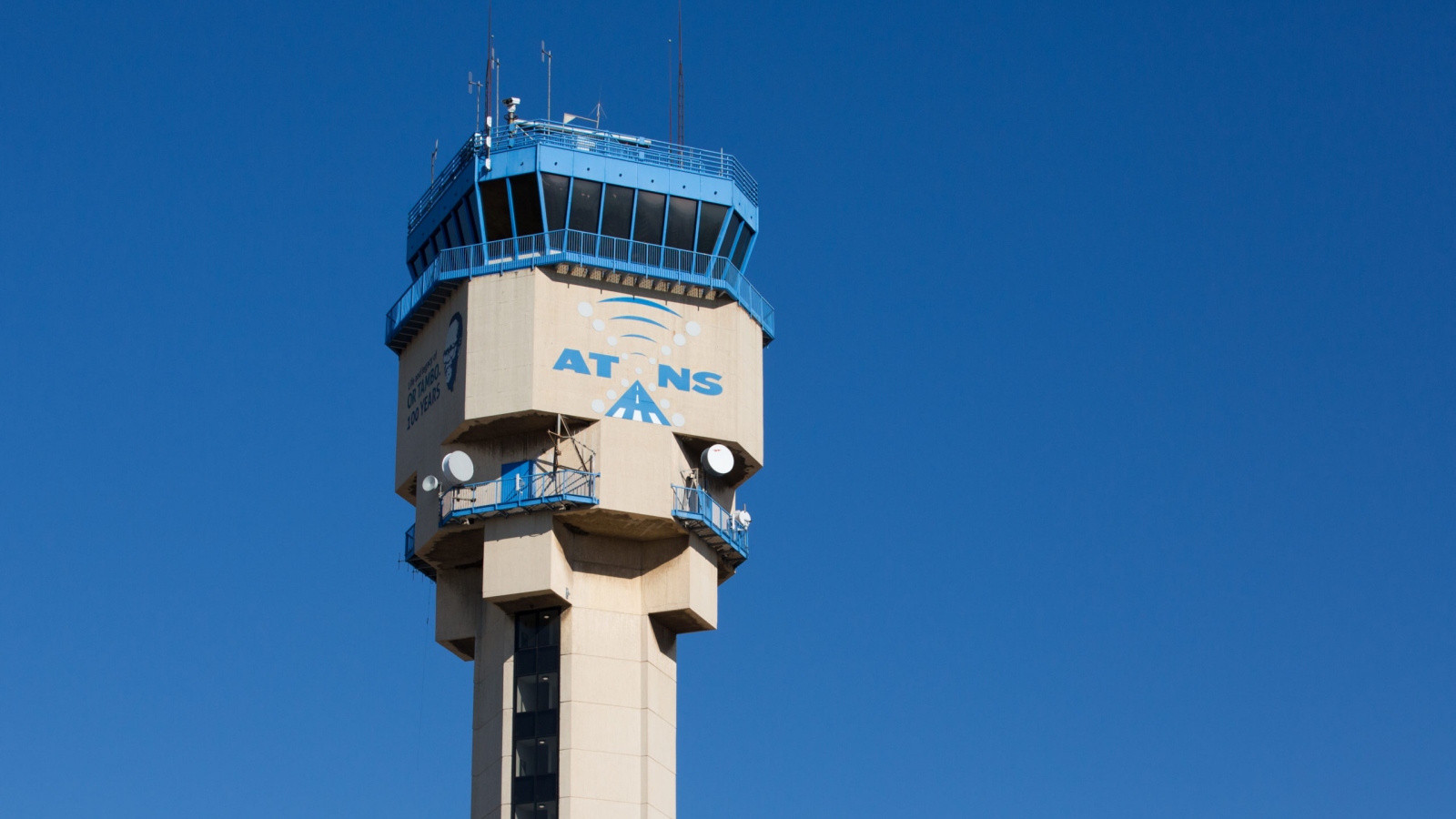
In a statement, ATNS expressed its concern with what it called “inaccurate and misleading remarks made by FlySafair”.
It acknowledged FlySafair’s allegations that its growth plans were stymied by ‘air traffic woes’ and high fuel prices, but requested the airline clarify these allegations.
ATNS explained that since the implementation of the Flight Procedure Recovery Programme, it has made substantial progress in restoring critical instrument flight procedures.
The company’s spokesperson, Khulu Phasiwe, said that the majority of priority procedures serving South Africa’s main commercial airports are now in place, ensuring the continued safe and efficient movement of air traffic.
Based on ORTIA’s declared maximum departure capacity of 30 air traffic movements per hour, ATNS has consistently delivered between 26 and 32 departures per hour.
This equates to between 87% and 107% of declared capacity, before accounting for the operational complexity associated with managing different aircraft categories, including heavy and slower-moving traffic.
“When these operational complexities are considered, ATNS consistently delivers in excess of 110% of the declared departure movement capacity during peak periods,” said Phasiwe.
“Against this backdrop, any suggestion that ATNS is constraining Safair’s growth is factually incorrect.”
The spokesperson also noted that every aviation network operates within finite infrastructure and operational constraints, and no airport in the world functions with unlimited capacity.
“Unrealistic scheduling assumptions can contribute to operational inefficiencies, stakeholder frustration, and increased safety risk for both pilots and air traffic controllers,” he said.
Finally, ATNS management expressed its concerns with comments made about the skills and competency levels within the organisation.
It noted that no evidence has been presented demonstrating its service delivery has adversely affected FlySafair’s operations.
Phasiwe told TopAuto that discussions with airlines and other stakeholders are ongoing, both at an industry level where meetings take place bi-weekly, and at an individual level.
TopAuto has reached out to FlySafair regarding the ongoing consultation between the parties, but had not received feedback by the time of publication. The airline’s comment will be included in the article once received.





 Loading ...