Why Chinese cars are getting more expensive to insure in South Africa


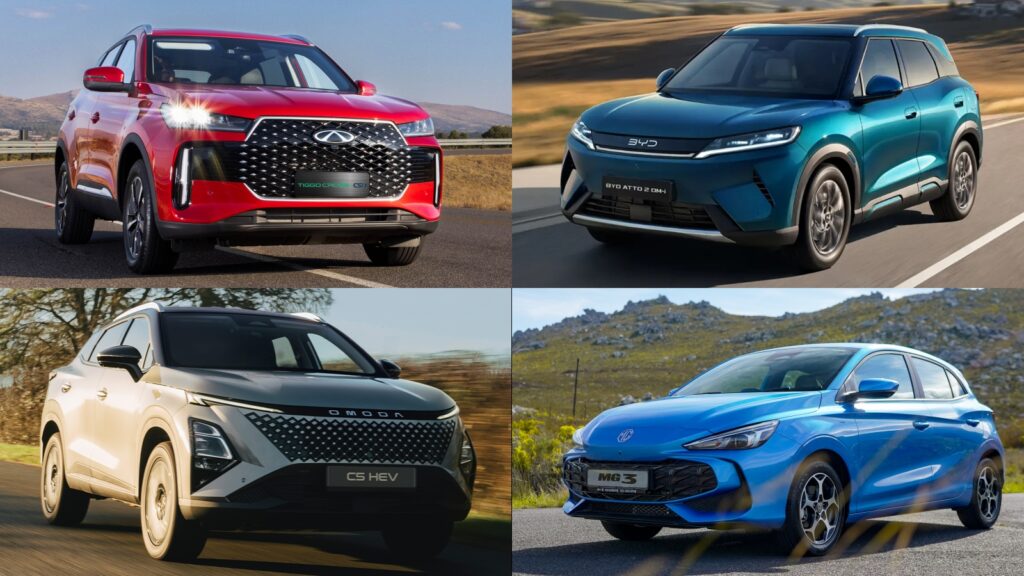
The growing popularity of Chinese car brands in South Africa is changing vehicle trends and reshaping repair costs, insurance considerations, and even theft risk.
This is according to Funeka Ngewu, Executive Head of Claims and Procurement at Momentum Insure, who explained that many motorists are facing living-cost pressures, but refuse to give up their cars.
“For many households, a vehicle is less of a luxury and more of an economic necessity, providing access to work, education and essential services,” she said.
Statistics South Africa’s data reflects this, with used car sales up 4.8% in the first quarter of 2026 compared to the last quarter of 2025, and the new vehicle market also stronger.
Ngewu noted that while demand remains resilient, buyer behaviour is changing.
“Growing demand for newer Chinese automotive brands and high demand for specific used car models are changing the financial and security risks that households face,” she said.
Because a car is a major capital investment, the purchase price should not be viewed in isolation.
Beyond the upfront cost or monthly instalments, buyers need to consider the costs of insurance, maintenance, and fuel, raising the total cost of ownership more than it appears at first glance.
“The arrival of affordable, high-specification vehicle brands has given buyers the opportunity to optimise their purchase price,” said Ngewu.
“However, a complete assessment of the total cost of ownership must look beyond the dealership invoice to understand how these choices affect repairs and insurance claims.”
Local supply chains and parts warehouses for newer brands are still being built, which could lead to a shortage of body panels or electronic parts and cause delays, increasing repair turnaround times.
Additionally, Chinese brands are often well-equipped with the latest technology, which can be costly to replace, including driver-assistance safety sensors built into bumpers and windscreens.
This high complexity can make a vehicle more expensive to fix after an accident, lowering the threshold at which it is considered a total financial write-off.
Popular models are often considered high risk for theft or hijackings because their parts become more desirable, changing their risk profile and making tracking systems and extra security a necessity for insurers.
Managing your risk profile

According to Ngewu, when budgets are tight, a common reaction is to look for ways to cut fixed monthly expenses, including insurance.
However, treating insurance as an unchangeable cost can leave a household vulnerable to unexpected out-of-pocket expenses if a repair takes a long time.
Because commuting patterns change and motorists optimise routes, carpool, or work hybrid schedules to save on fuel expenses, policyholders should proactively review their insurance coverage to ensure it matches how they drive.
Ngewu explained that two areas help policyholders to better manage their risk, including adjusting their car hire duration and installing a tracking device.
“If your car brand relies on imported parts that take longer to arrive, a standard 30-day car hire benefit might not be enough,” she declared.
“Extending this feature to 60 days ensures you stay mobile if repairs are delayed by parts availability.”
Additionally, installing an advanced vehicle tracker does more than simply fulfil a policy requirement, as it actively reduces recovery times and lowers the risk profile of high-demand vehicles.
“Aligning your vehicle choice with long-term financial safety requires a clear understanding of the total cost of ownership,” explained Ngewu.
“The purchase price and fuel efficiency are only part of the equation. True financial resilience is achieved when motorists consult with their insurance partners before buying a vehicle.”
She said that this allows motorists to accurately factor in model-specific risks and the right policy structure from day one, especially in a challenging economic climate.




 Loading ...

-2026.10.webp)