


Mercedes-Benz used to be one of the most sought-after luxury car brands in South Africa, but its sales have diminished over the last decade due to a struggling economy and the rise of new Chinese competitors.
In July 2026, Mercedes was the 20th-best-selling brand in the country, with 490 units, less than Nissan, Tata, BYD, Renault, Mahindra, and many others.
This wasn’t always the case, as Mercedes has a long and successful history in South Africa that dates back to the 1950s.
In 1954, the first Daimler-Benz branch was opened in South Africa. A few years later, in 1958, Car Distributor Assembly (CDA) began contract manufacturing for Mercedes-Benz vehicles in East London to capitalize on strong demand for the brand.
In 1966, CDA was taken over by United Car and Diesel Distributors (UCDD), which acted as the sole sales company for Mercedes in South Africa.
Daimler-Benz later acquired a 50.1% stake in UCDD in 1984 and renamed it Mercedes-Benz of South Africa (MBSA).
MBSA still operates a manufacturing plant in East London (now KuGompo City) to this day, where it produces the iconic C-Class sedan for the local market and for export to both left-hand and right-hand-drive countries.
Mercedes is one of six legacy original equipment manufacturers that have a factory in South Africa, alongside VW, Ford, BMW, Isuzu, and Toyota. Nissan previously had a plant in Rosslyn, but it was acquired by Chery earlier this year.
Mercedes has long been seen as a status symbol in South Africa, popular with upper-middle-class households, business owners, and government figures.
When Nelson Mandela was released from prison, he was gifted a red Mercedes-Benz S500 built by workers at MBSA.
In the 2000s, the luxurious E-Class and S-Class models were the preferred choice for government officials and corporate executives, boosting the brand’s road presence, according to Daily Investor.
By 2009, the C-Class was the fifth-best-selling car in South Africa, outperforming mass-market models like the VW Citi Golf and Toyota Yaris.
Luxury German brands aren’t as popular as they used to be

Mercedes-Benz has seen a steep decline in sales over the last decade, which can be seen using data from the Automotive Business Council.
In 2014, the German carmaker’s local division sold 28,993 units. Over the last 12 months, MBSA’s sales have dropped to around 5,368 units – an 81% reduction.
The primary reason for this sharp decline is South Africa’s economic stagnation, forcing luxury brands like Mercedes, Audi, and BMW out of reach for the average middle class consumer.
Over the last decade, many households have downsized on car purchases, shifting to more affordable brands, and moving from two to just one car.
While Mercedes has seen a massive drop in sales, affordable brands like Suzuki, Chery, Haval, and Mahindra have experienced a surge in interest since 2020.
For context, the cheapest Mercedes on sale in South Africa right now is the R815,674 A-Class. The cheapest C-Class starts at R943,506.
However, the economy is not the only reason for Mercedes’ lower sales, as the brand has also pivoted its strategy to focus on low-volume, higher-margin flagship models like the S-Class.
This has given rival brands an opportunity to dominate the mid-range segment. Notably, BMW now has a consistent sales lead over Mercedes.
Over the same 12 month period, BMW sold 15,040 units to Mercedes’ 5,368. In July 2026, MBSA sold 490 units while the BMW Group sold 1,256.
Bear in mind that BMW’s sales are 50% lower than they were in the 2000s, meaning it has experienced the same troubles as Mercedes, though it hasn’t been hit quite as hard.
Another key factor is that luxury sedans aren’t as popular as they used to be. SUVs have taken over as the most sought-after body type, which puts the C-Class at a disadvantage.
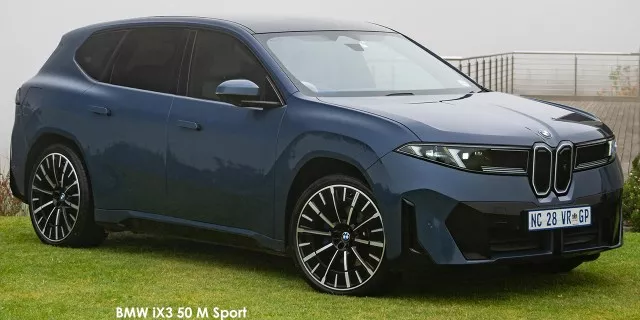
BMW used to produce the 3 Series sedan at its factory in Gauteng, but it pivoted to the X3 in 2018 to take advantage of the global demand for SUVs.
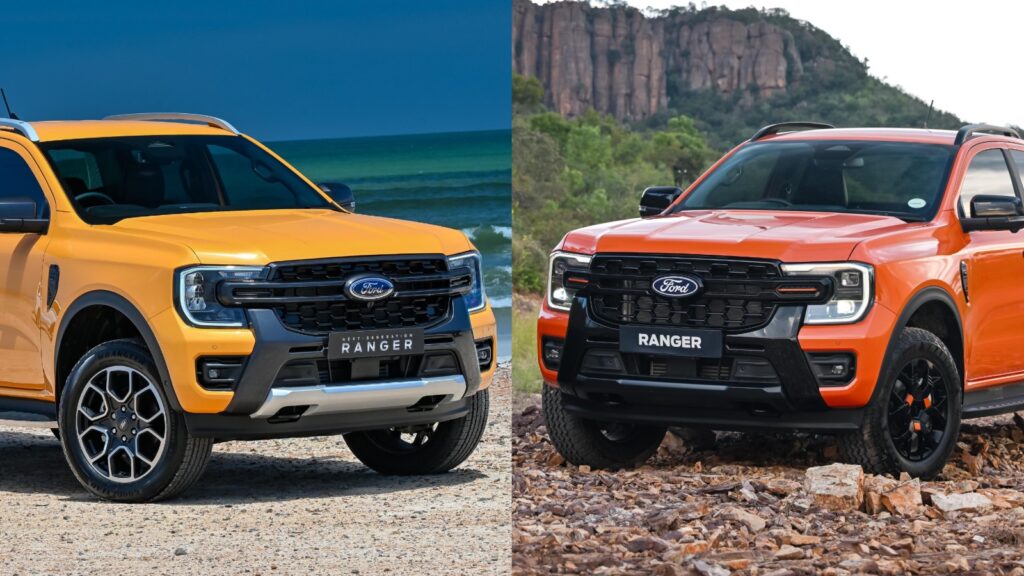
An industry report by Cars.co.za also found that lifestyle bakkies have overtaken German cars as the most aspirational vehicle type in South Africa, led by models like the Ford Ranger, Toyota Hilux, and BYD Shark.
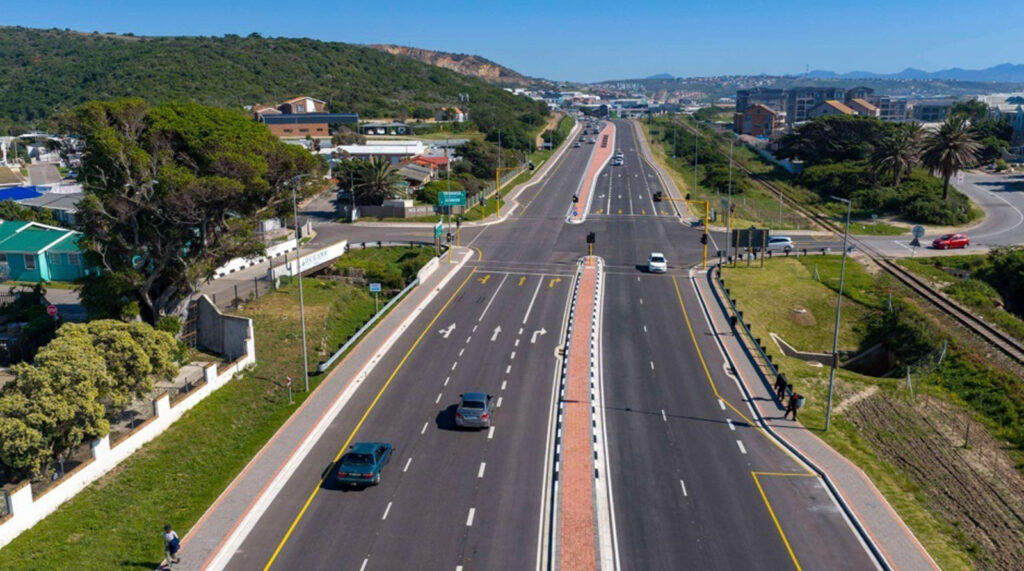
These vehicles are better equipped to handle South Africa’s poor road infrastructure and are more versatile for things like family holidays. Modern bakkies also provide a much more comfortable ride, which has always been seen as one of the advantages of a premium sedan.


 Loading ...
-2026.10.webp)
-2026.10.webp)