
The historic South African racetrack that hosted Formula 1 long before Kyalami


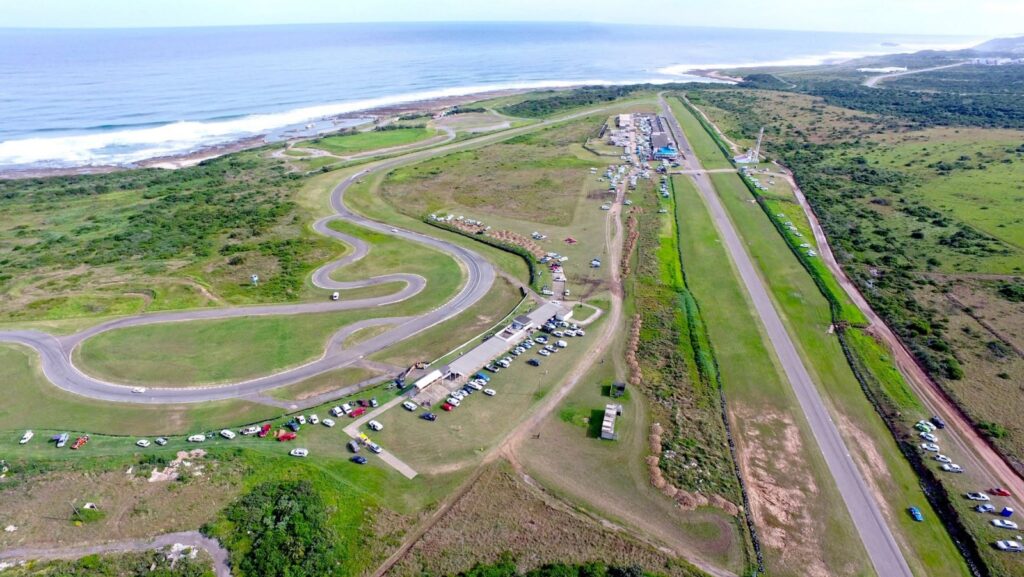
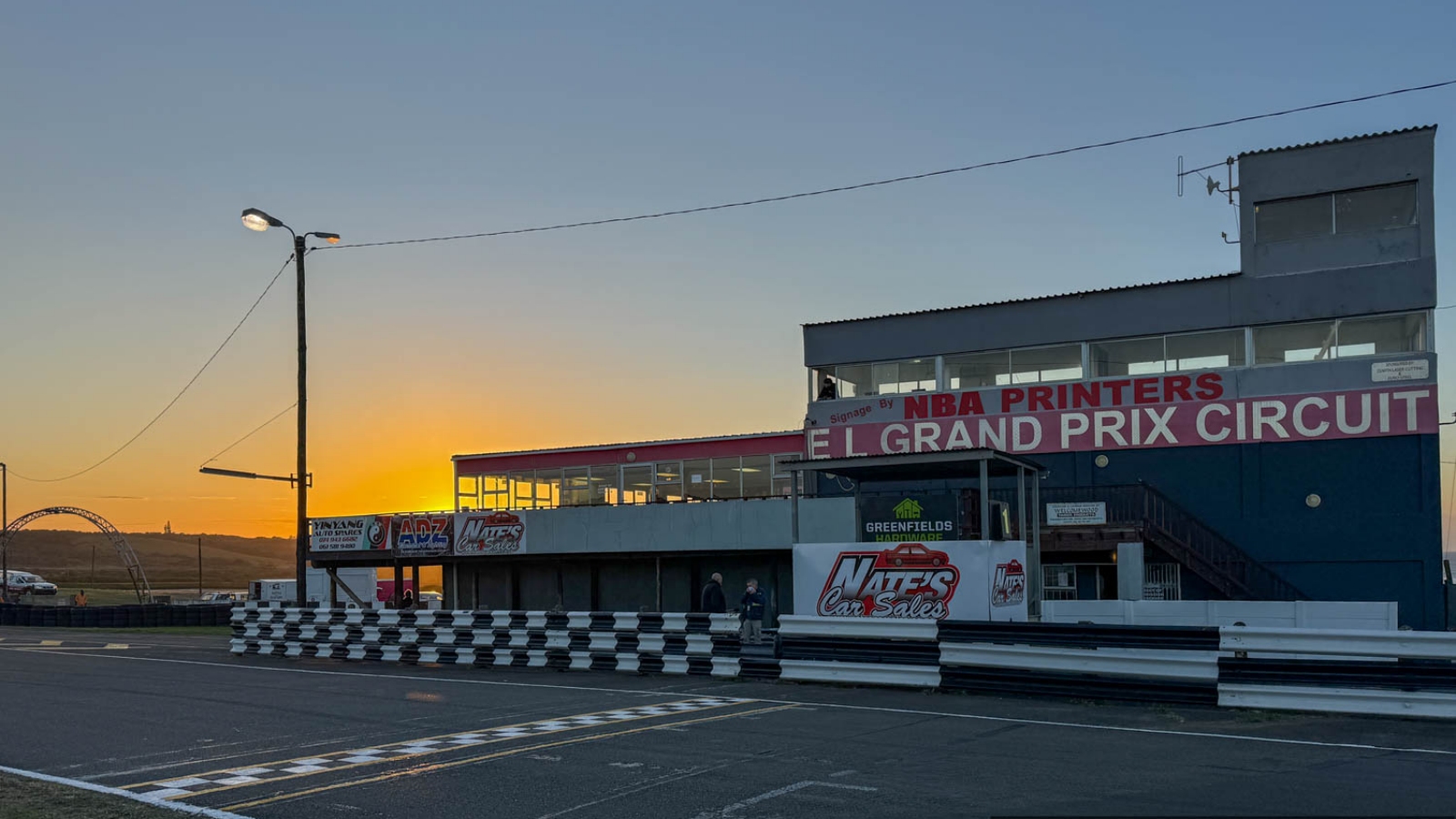
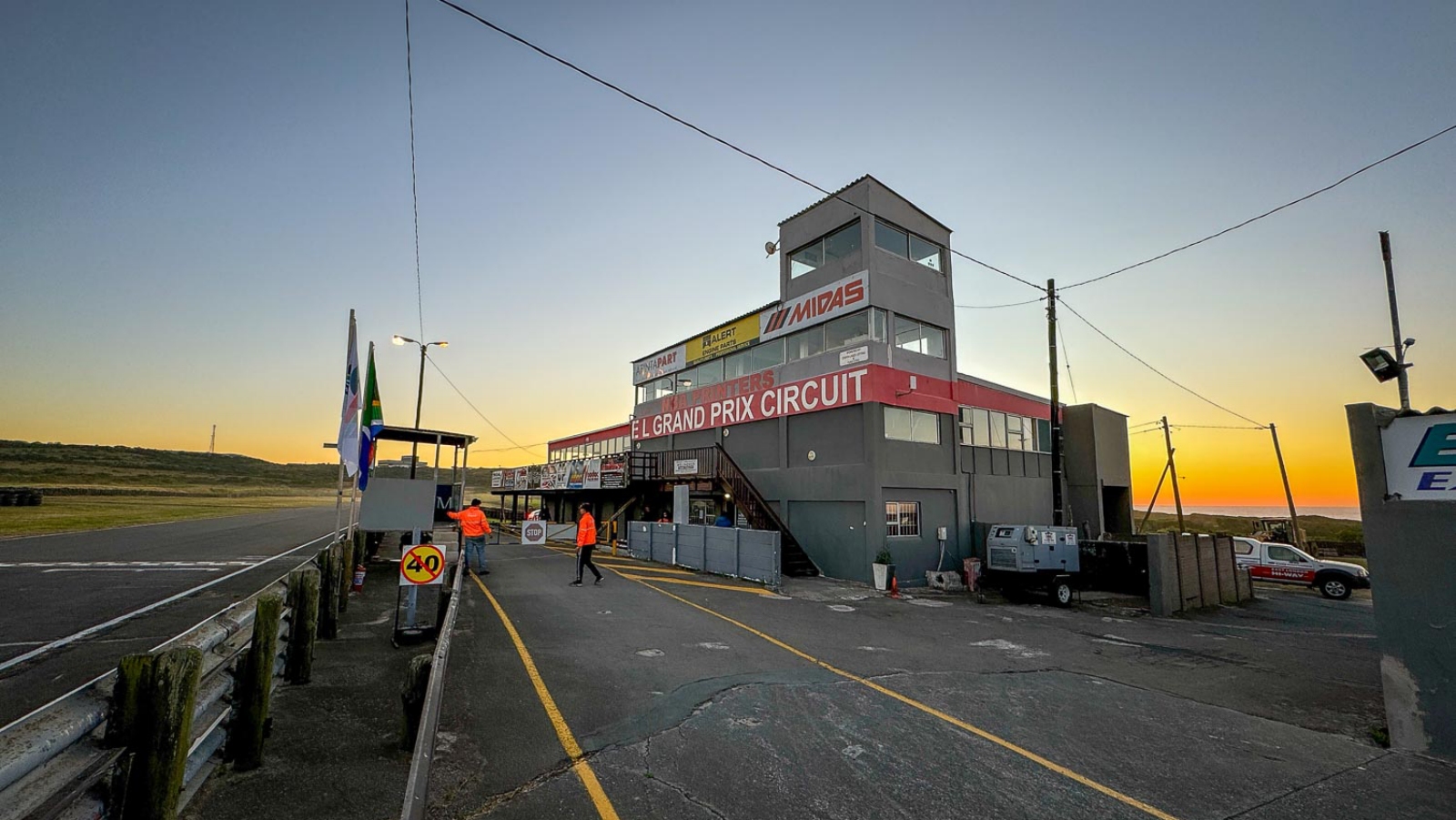
The Prince George Circuit, now known as the East London Grand Prix Circuit, is a historic motorsport venue in East London (KuGompo City), Eastern Cape, famed for hosting the South African Grand Prix in the 1930s and 1960s.
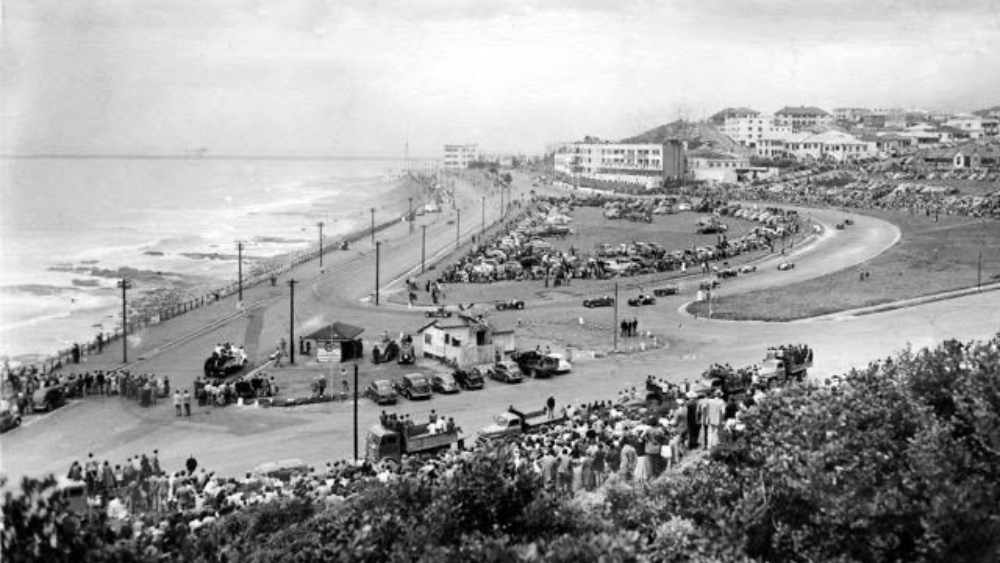
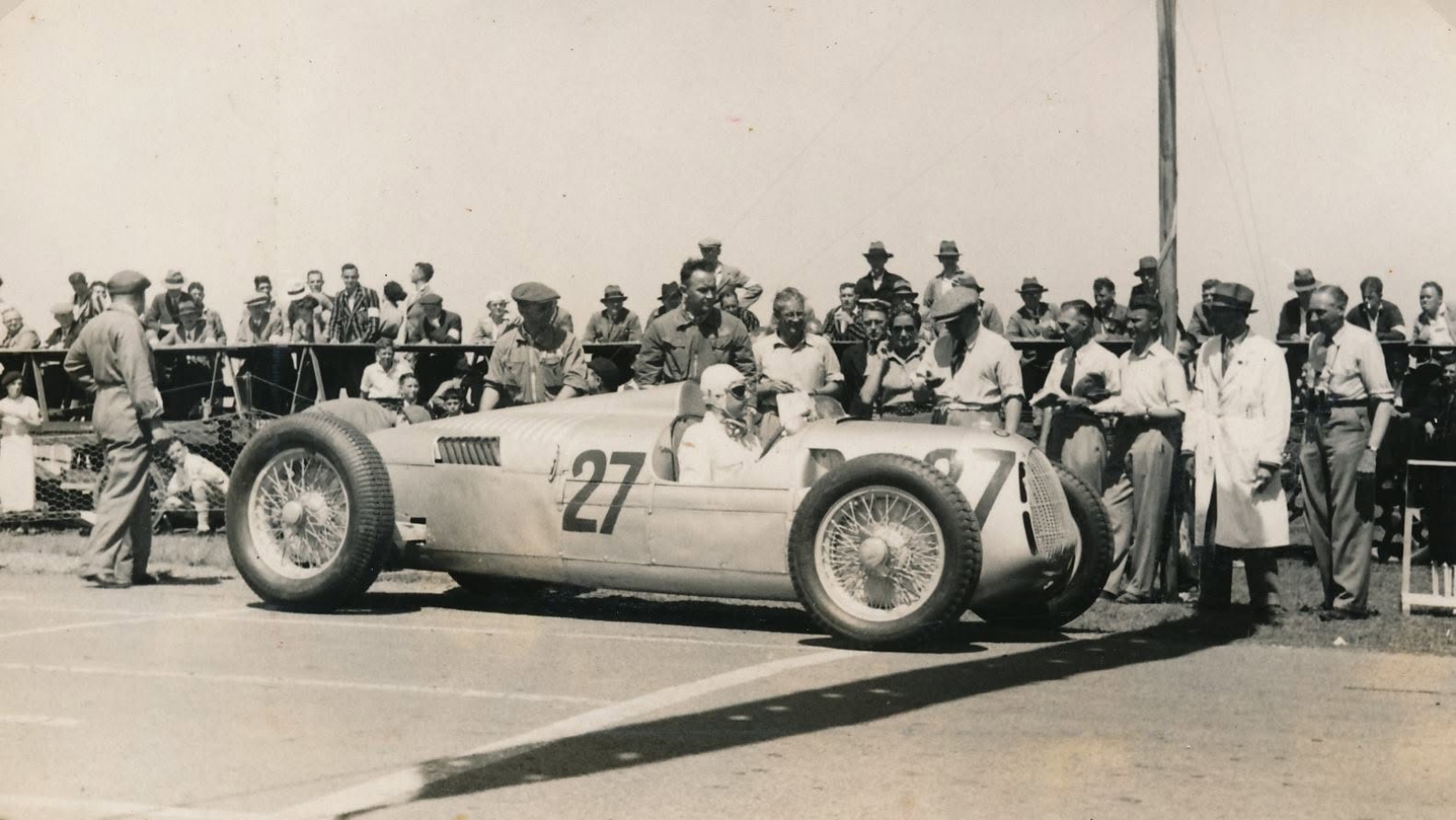
The circuit originated in 1934, when the then-editor of East London’s Daily Dispatch newspaper, Brud Bishop, realised the West Bank circular roads were ideal for street racing.
Originally, the circuit was 24.461km long and ran along streets through different populated areas, with the start and finish straight running along the seashore.
The track’s layout included three fast corners on what is now known as Molteno Drive – a section that would later also be part of the shorter new circuit.
Sections of the track passed through St George’s Street – giving the circuit its name – and what became the East London Airport, which was nowhere near being built at the time.
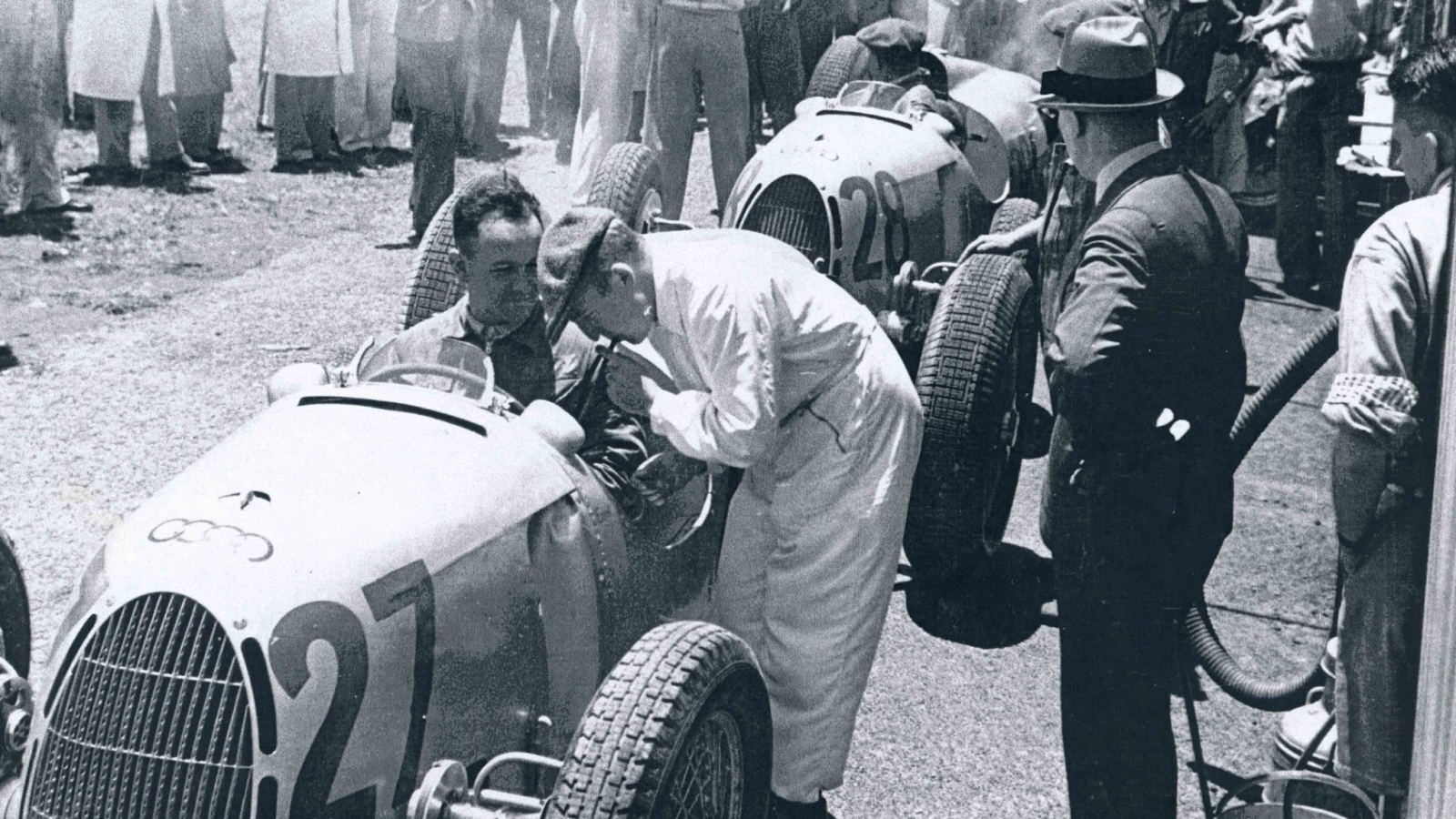
The inaugural race – the Border 100 – was held the same year Bishop floated the idea, and American-born driver Whitney Straight won the race in a Maserati.
In 1936, the circuit was shortened to 18.619km, with drivers avoiding Molteno Drive east to instead follow Potters Pass north to get back onto the original circuit at the beginning of Settlers Way.
This made the track safe and more manageable for spectators and officials, and wound up attracting top-tier European drivers fleeing the winter off-season.
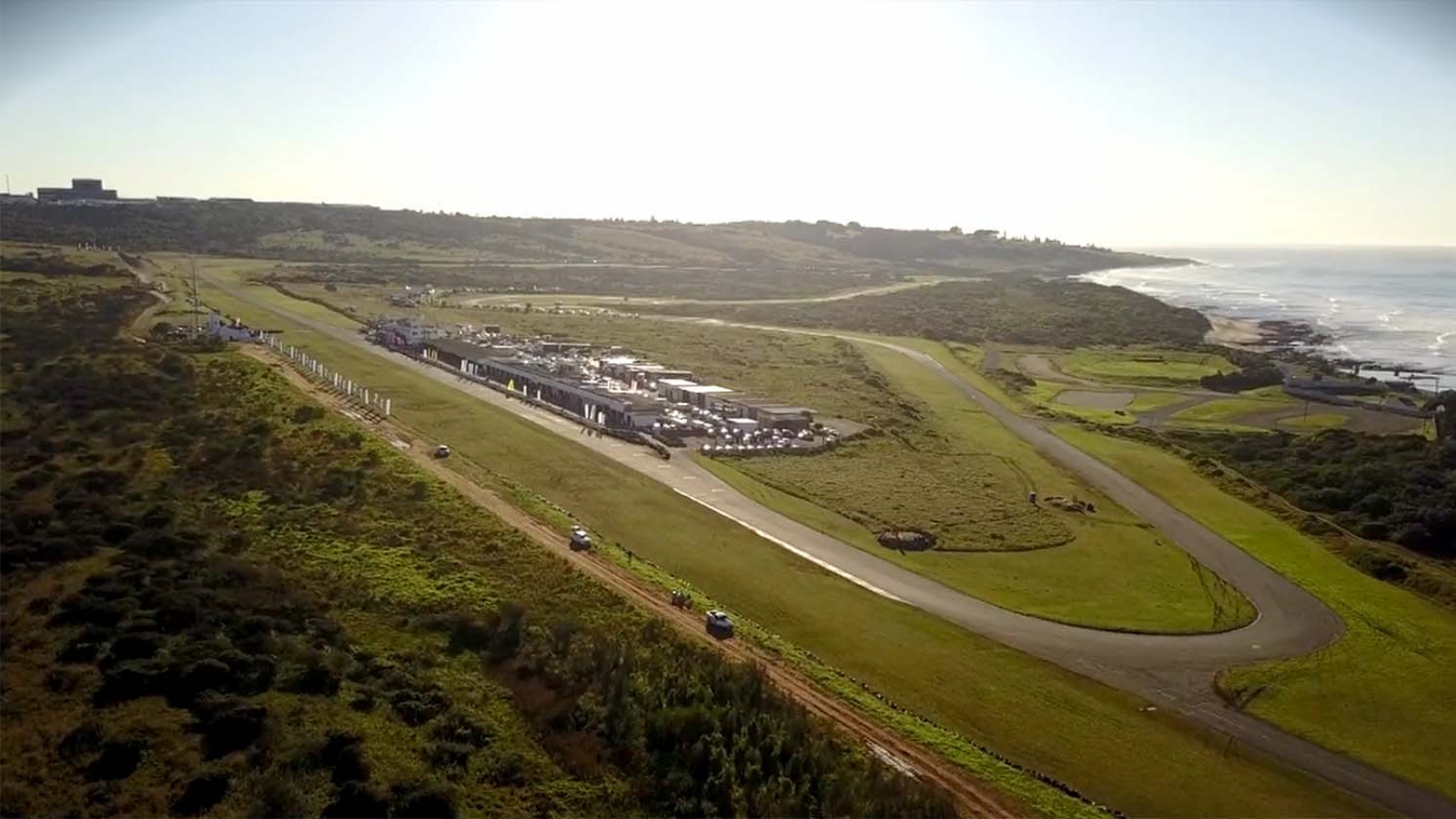
In 1959, the circuit was completely redesigned into a compact, permanent and semi-permanent road circuit inside a natural coastal amphitheatre to conform to Formula One safety standards.
The circuit was shortened to 3.920km and was chosen to host three rounds of the Formula 1 South African Grand Prix, before being deemed too small for F1 cars. The event moved to Kyalami in 1967.
In 1962, the track hosted the F1 season finale. Graham Hill won the race and subsequently his first World Drivers’ Championship after Jim Clark’s Lotus suffered an oil leak.
However, Clark dominated the next two South African Grands Prix in 1963 and 1965, setting multiple lap records, though they have been surpassed. The track never hosted another Grand Prix.
The East London Grand Prix Circuit today
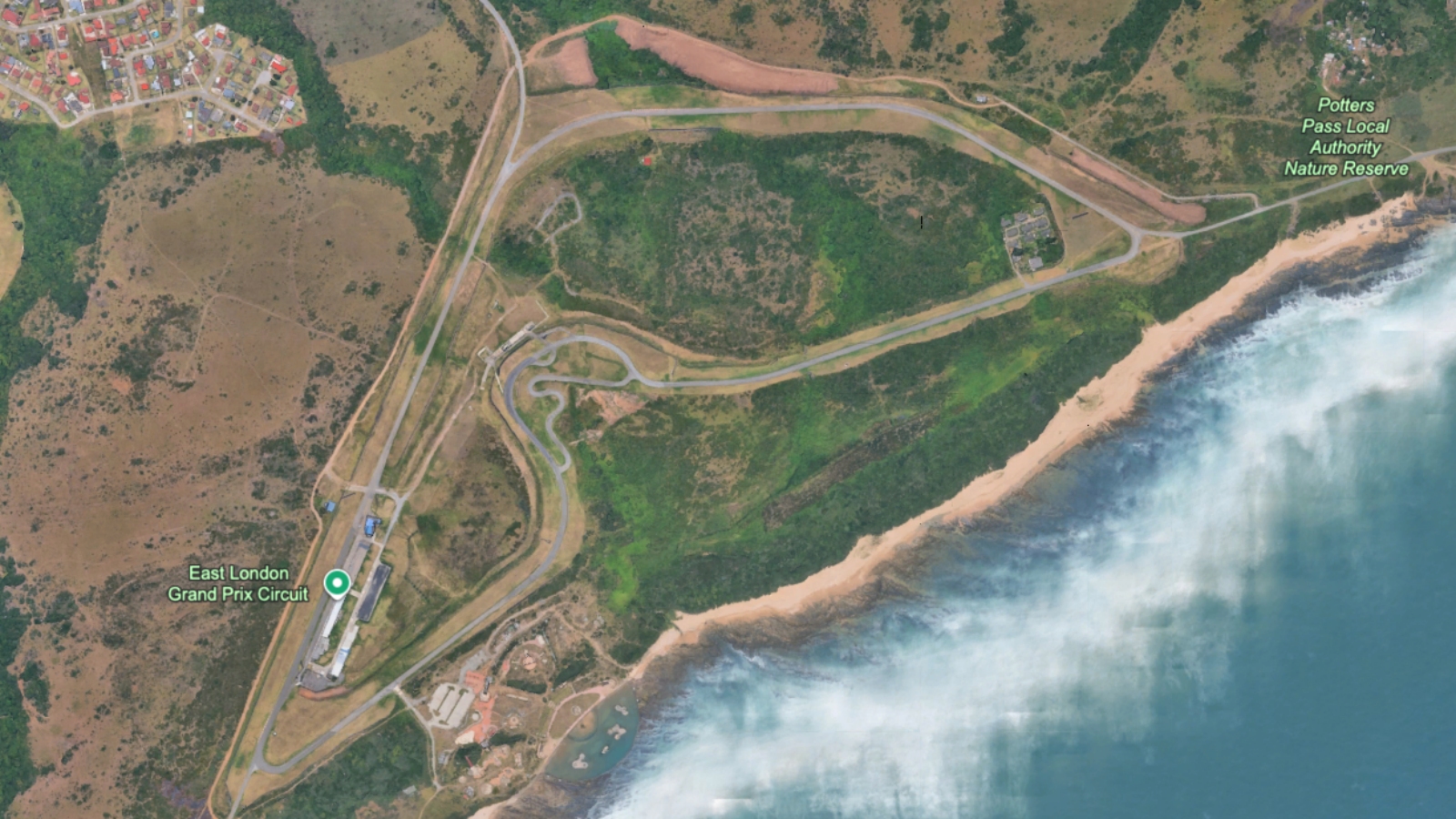
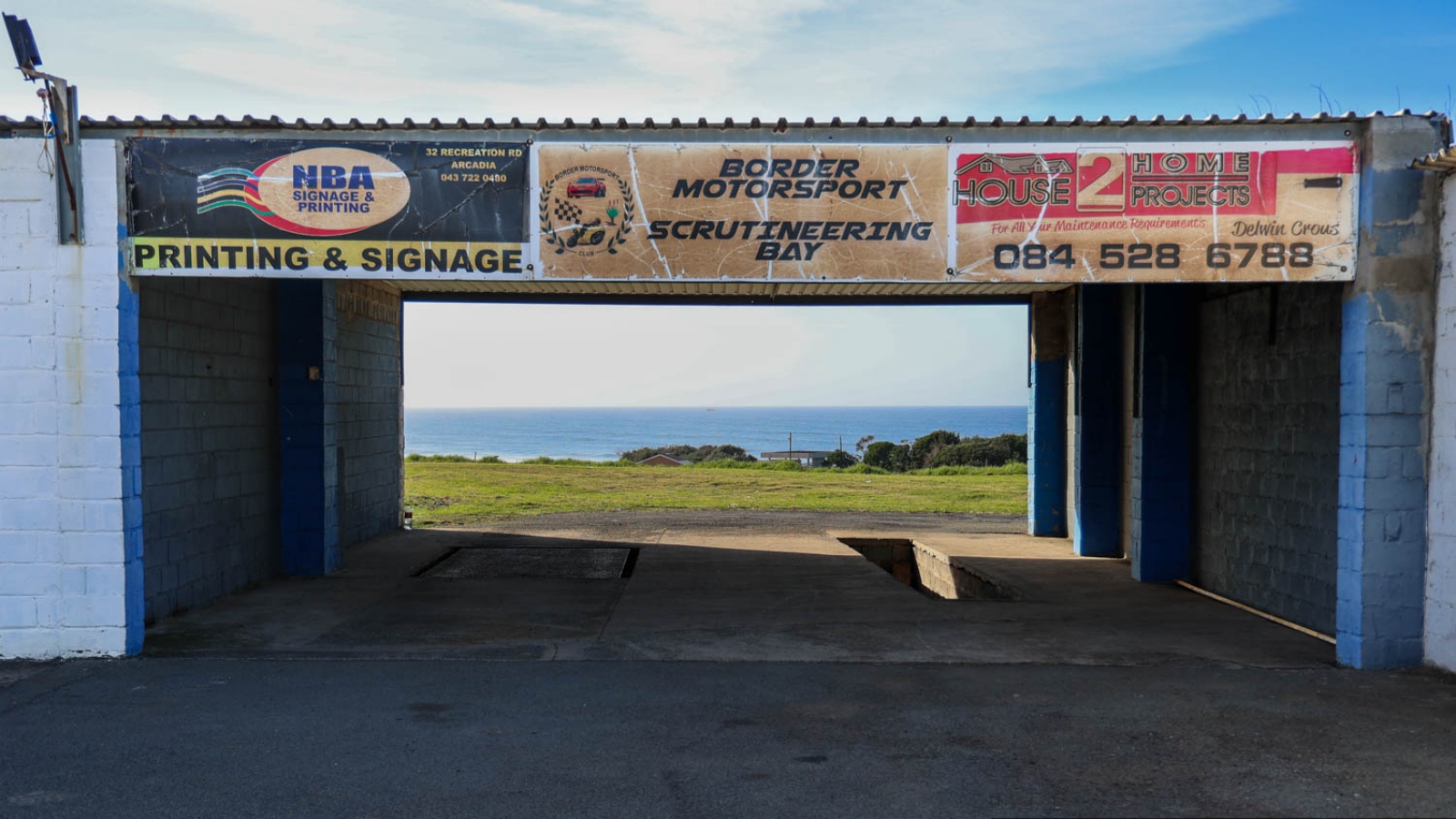
In December 2014, the Border Motorsport Club announced it had reached an agreement with the Buffalo City Metro Mayoral Committee to lease the circuit for 20 years and still hosts several motorsport events.
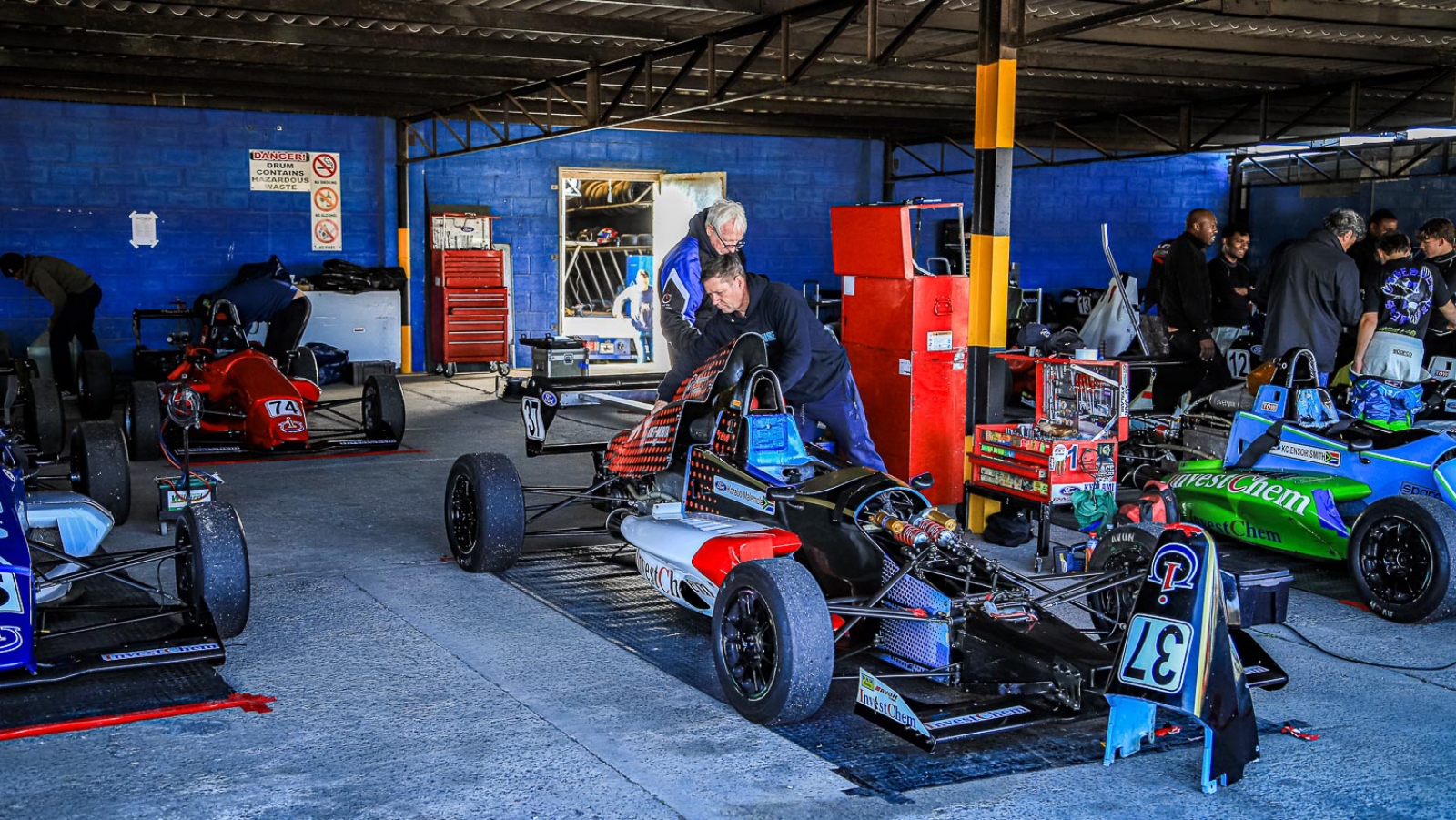
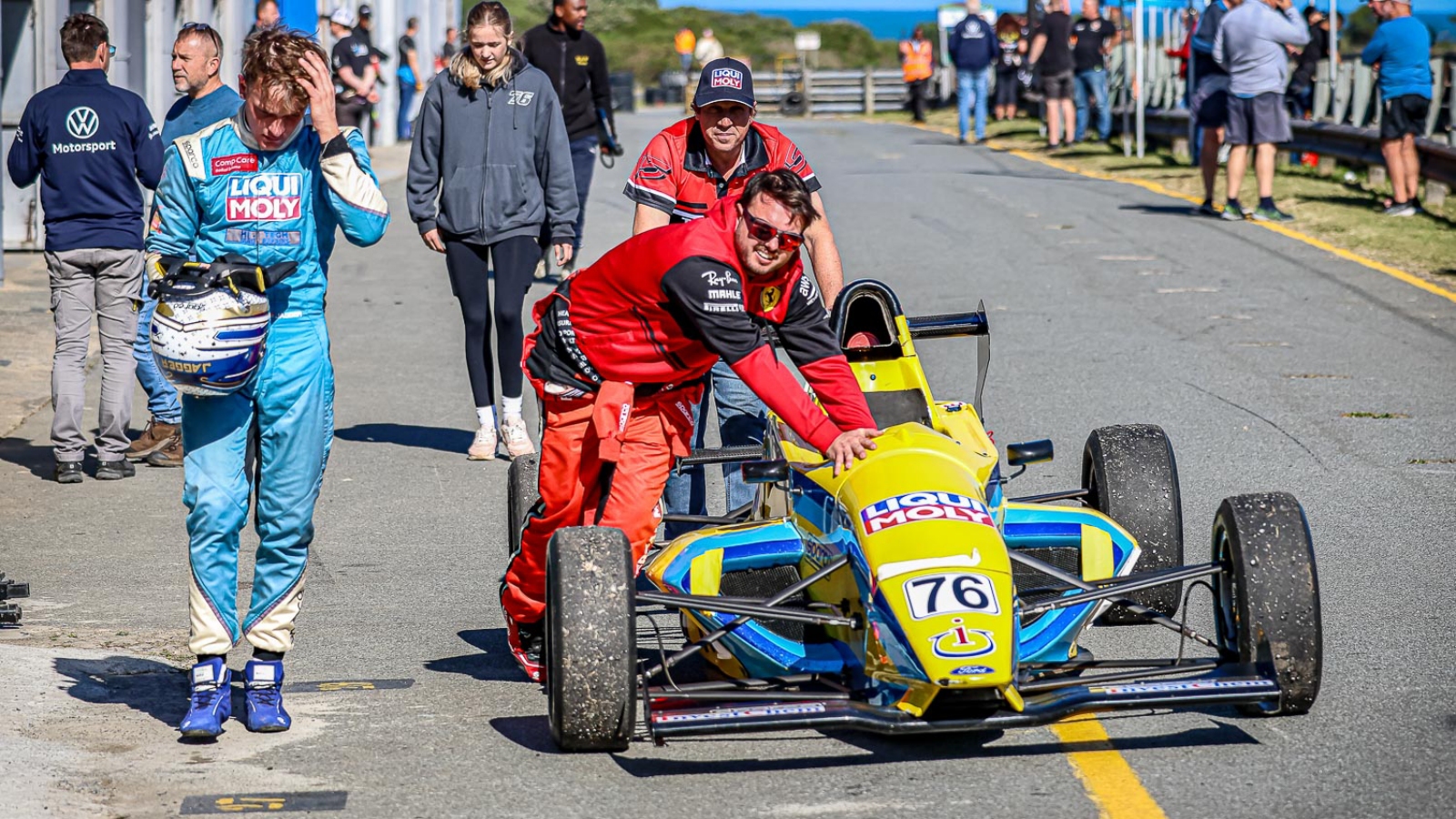
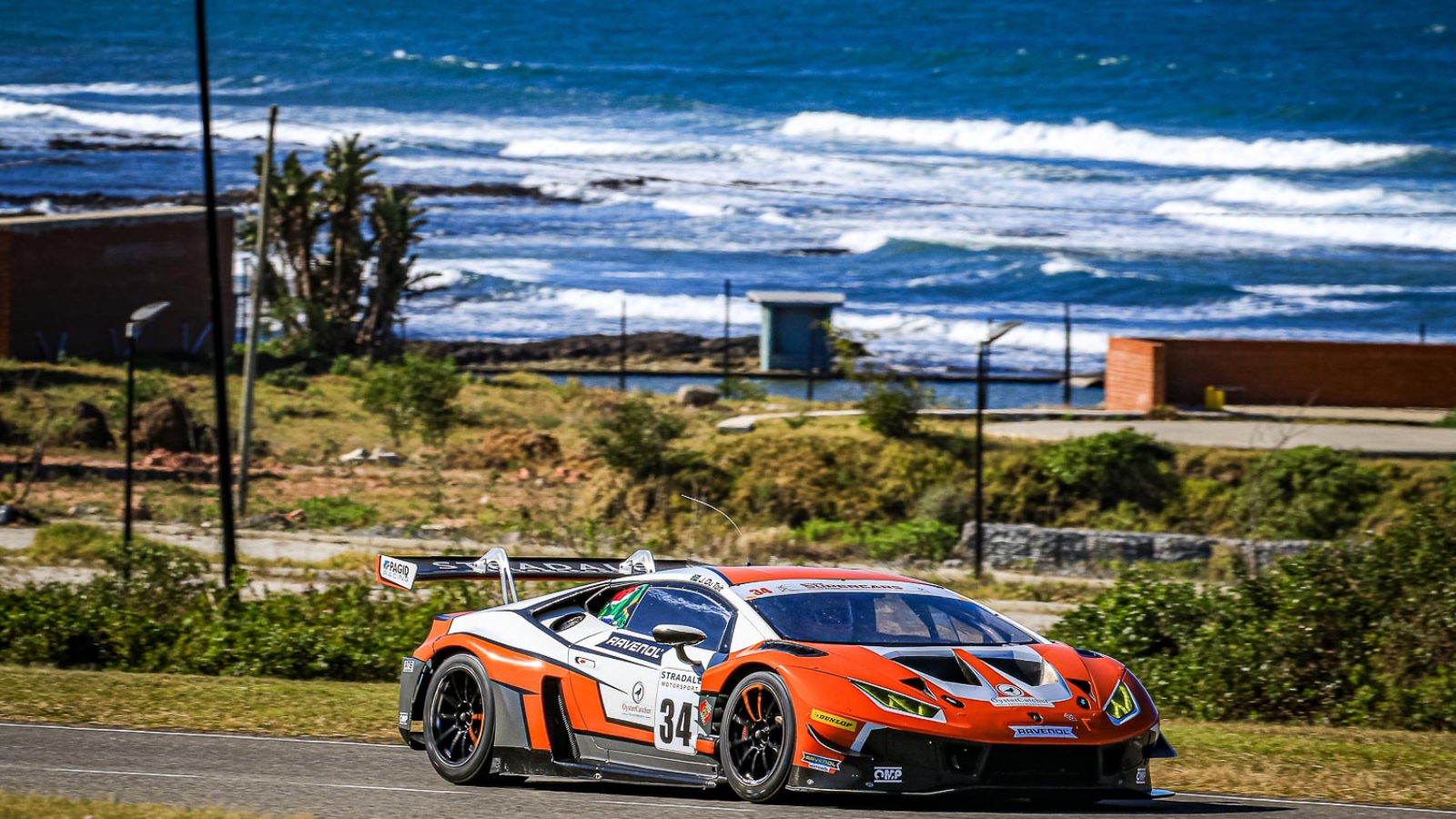
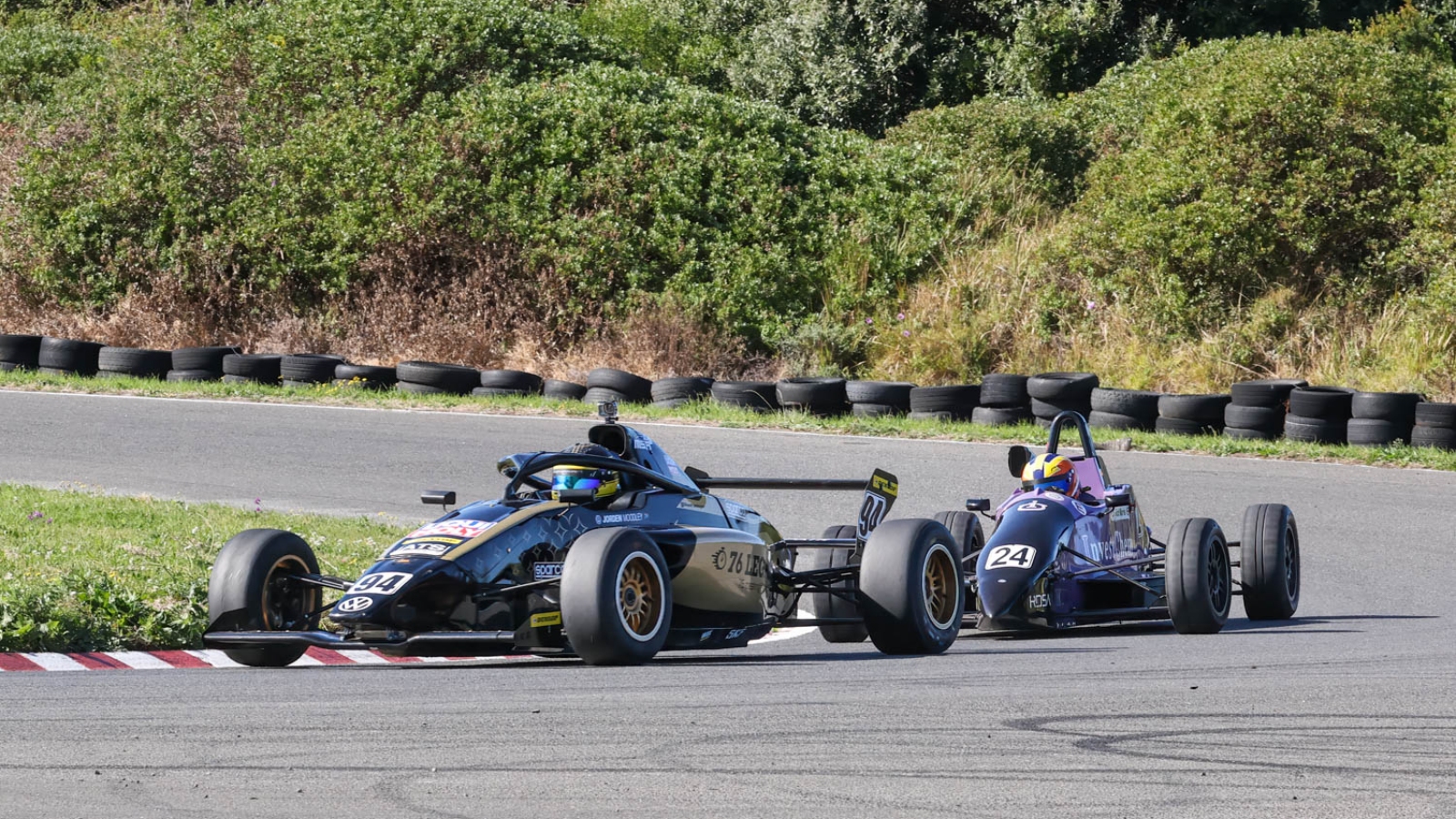
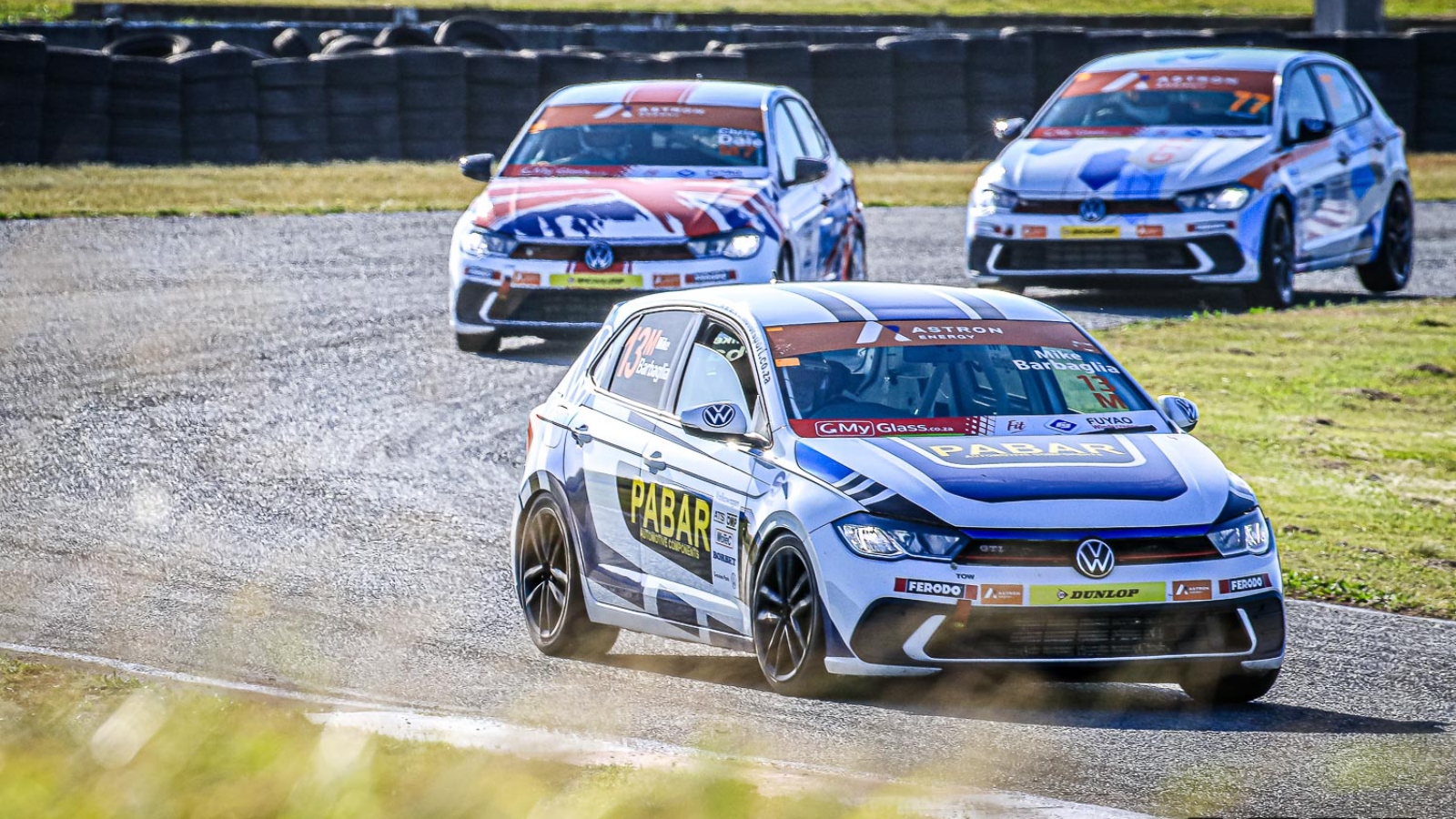
Today, the historic circuit hosts regional and national rounds of the Extreme Festival, which includes Global Touring Cars (GTC).
Other races include provincial karting, national SupaCup, South African Superbikes, and historic racing categories, including the SA Historic Grand Prix Festival.
Beyond official races, the circuit also regularly hosts local drag racing, regional road racing, junior karting, and private track days.
According to Motorsport South Africa, there are several events on the track’s calendar before the year is out, including club karting championships, a Kawasaki track day, and still on the menu nearly 100 years later: the Border 100.
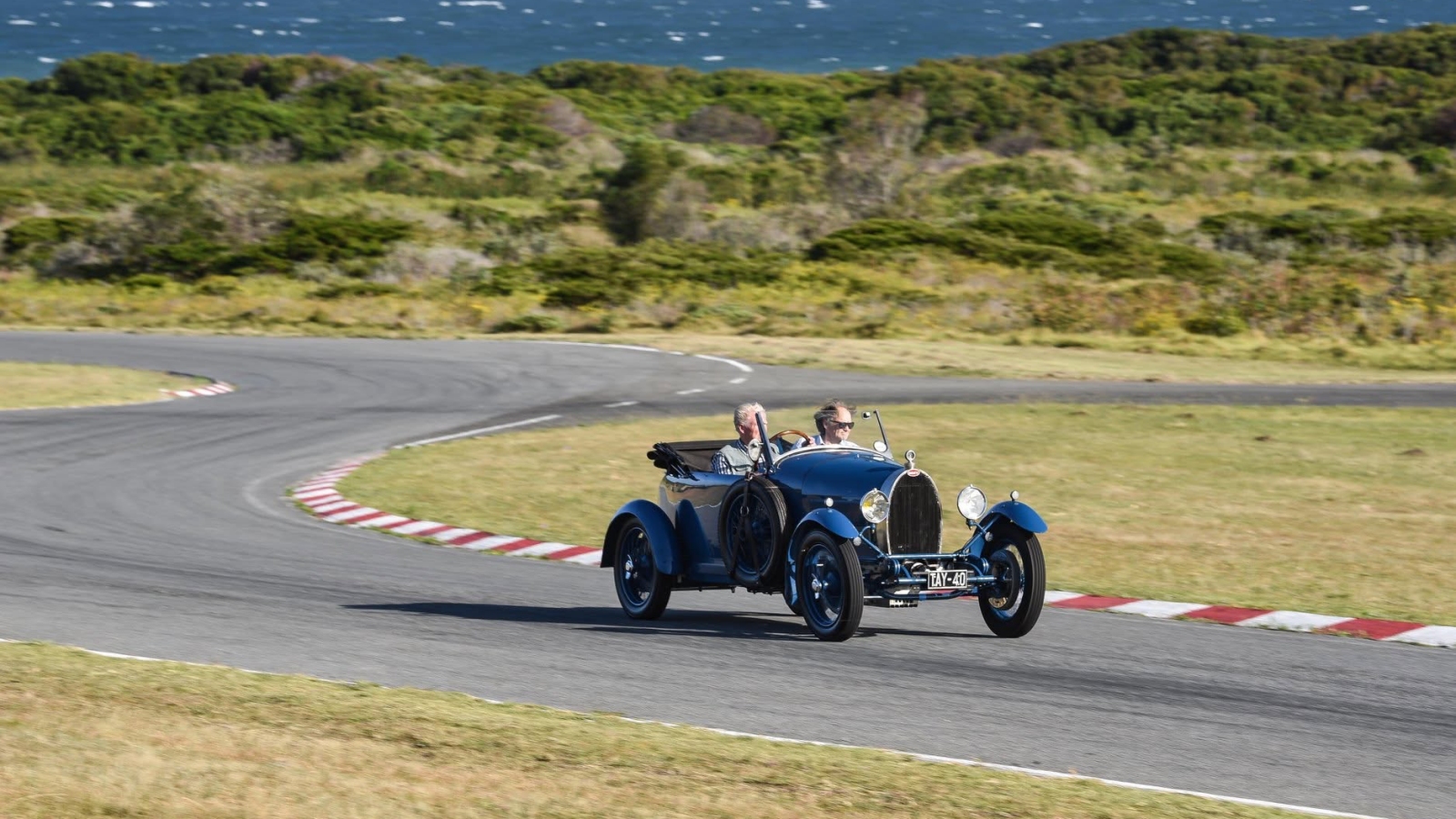
The track is still recognised as a piece of South African motorsport heritage, and one of the few surviving historical Grand Prix venues in the world where visitors can still drive along portions of the original Grand Prix layout on public roads.
The modern circuit maintains its nearly 4km, sweeping 9-turn layout, but features a rare operational setup that includes public roads.
When no race meetings are scheduled, portions of the track, the coastal Esplanade section linking Beacon Bend to Cocobana Corner in particular, revert to open public roads.
Drivers and tourists can freely drive along these historic stretches of road right beside the Indian Ocean.
The Prince George/East London Grand Prix Circuit





 Loading ...
Conversation
4 commentsIt will be good but first this government must put effort in to bring crime and death rates down for people to visit the highest death rate country