


As South Africa grapples with record-breaking fuel prices from global unrest, the Department of Mineral and Petroleum Resources (DMPR) has gazetted Slate Levy changes to ease pressure on petrol wholesalers and retailers.
Under the changes published by Minister Gwede Mantashe, fuel importers will be allowed to keep some of the tax they pay when global petroleum product prices fluctuate.
The proposed change won’t affect the price at the pump or the slate levy amount, but protects importers and wholesalers with support up to R500 million.
The current system, which relies on once-per-month adjustments, creates situations where fuel importers pay more to import fuel than they charge at the pump, depending on fuel price recoveries.
When this happens, the result is a temporary loss, recorded as an under-recovery, while when they charge more than they pay, it becomes an over-recovery.
The South African government, through the Central Energy Fund (CEF), tracks gains and losses in the slate account, and when it shows a significant deficit, the slate levy is added to fuel prices to fund the losses.
The CEF collects the slate levy from petrol and diesel sales, while fuel importers and retailers wait for reimbursement following losses.
However, under the new system, they will be allowed to retain the levy collected from consumers and pay the balance.
As a result, companies facing massive slate account under-recoveries can keep collected levies to offset losses, rather than paying them to the state-owned CEF first and awaiting reimbursement.
During severe global oil price spikes or currency devaluation, under-recoveries balloon quickly, so this direct retention provides immediate liquidity and cash-flow relief to fuel distributors.
That said, despite granting companies direct access to levy funds, the state maintains a tight leash via the Central Energy Fund (CEF).
South Africa’s fuel levies in the spotlight
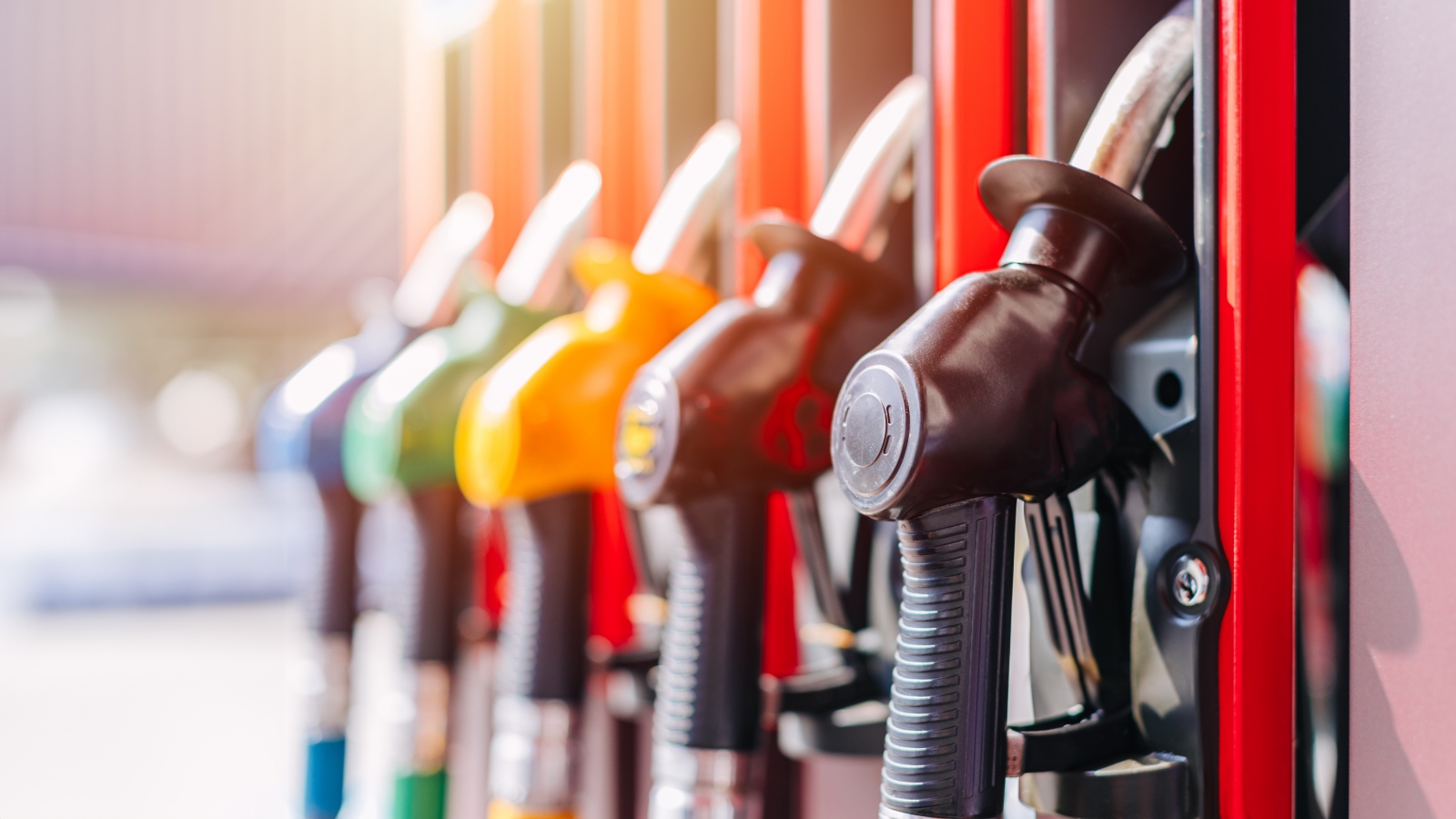
With the Road Accident Fund (RAF) floating ideas like raising the RAF levy and others calling for the fuel tax to be scrapped altogether, the South African government has proposed renewing relief to protect motorists.
The Standing Committee on Appropriations adopted its report on the Second Special Appropriation Bill, proposing to withdraw R10 billion from the National Revenue Fund to combat record-high fuel prices.
Minister of Finance, Enoch Godongwana, tabled the bill on 31 July 2026 and revealed the plan in Parliament on Thursday last week.
The Appropriations Committee received and considered the bill on 4 August 2026 and reported its decision to the National Assembly.
“The Bill provides for the transfer of R10 billion to the Department of Mineral and Petroleum Resources to stabilise fuel costs and protect consumers from fuel price volatility arising from the current conflict in the Middle East,” it said.
The committee’s Chairperson, Dr Mmusi Maimane, explained that motorists should receive immediate relief because funds from the National Revenue Fund are already available.
“As Parliament and representatives of the people, we must ensure that fuel prices are reduced so that citizens can enter December with some relief,” he said.
The committee noted that the R10 billion expenditure must achieve its intended objective and be supported by detailed expenditure reports.
It recommended that the Ministers of Finance and of Mineral and Petroleum Resources jointly ensure that National Treasury and the DMPR report to Parliament on potential future shocks and the circumstances that warrant basic fuel price relief.
Since the first Wednesday of October, local inland motorists are paying R30.25 per litre for petrol and over R33.29 per litre for diesel.
If no relief is given, petrol and diesel prices will increase yet again in November, with early data from the Central Energy Fund pointing to further under-recoveries and increases.





 Loading ...

-2026.10.webp)
