Say goodbye to petrol stations as you know them in South Africa


South Africa’s escalating fuel price volatility and shifting consumer and shopper budgets have quietly reshaped the country’s retail and fuel sales landscape.
This is according to the 2026 Forecourt Retail Report by Trade Intelligence, which found that this is enabling forecourts to evolve from simple refuelling sites into multi-functional retail destinations.
Its findings showed that while fuel turnover continues to dominate forecourt revenue, the gap between pump sales and in-store purchases is narrowing, as operators protect site profitability.
“Forecourt stores are no longer just emergency stops for bread and milk,” explained Caroline Short, Research and Advisory Lead at Trade Intelligence.
“They have matured into a credible retail format in their own right, with 57% of forecourt shoppers visiting them at least once a week.”
The market researcher estimated the size of the forecourt convenience channel at R42 billion in 2025, but noted that this growth is coming under increasing pressure from all sides.
This includes supermarkets, fast-food outlets, and quick-commerce delivery apps, which are all competing for shoppers’ convenience spend at a time when the average shopper is also under pressure.
Trade Intelligence’s forecourt shopper survey data revealed that rising fuel costs impact significantly more than just transport budgets.
According to the survey, 92% of forecourt shoppers reported changing their broader spending habits to adjust to financial pressures.
It also found that shoppers are slightly more likely to reduce non-fuel expenditure rather than just fuel spend.
“This is forcing forecourt retailers to rethink their product mixes, promotional strategies, and pricing structures to capture value-conscious shoppers,” added Short.
Trade Intelligence found that there is a significant opportunity in product assortment execution, since 51% of surveyed forecourt shoppers state there is virtually nothing they wouldn’t buy at a forecourt store.
That said, it noticed a considerable gap between categories shoppers consider buying and what actually ends up in their baskets.
Petrol forecourts are expanding their services
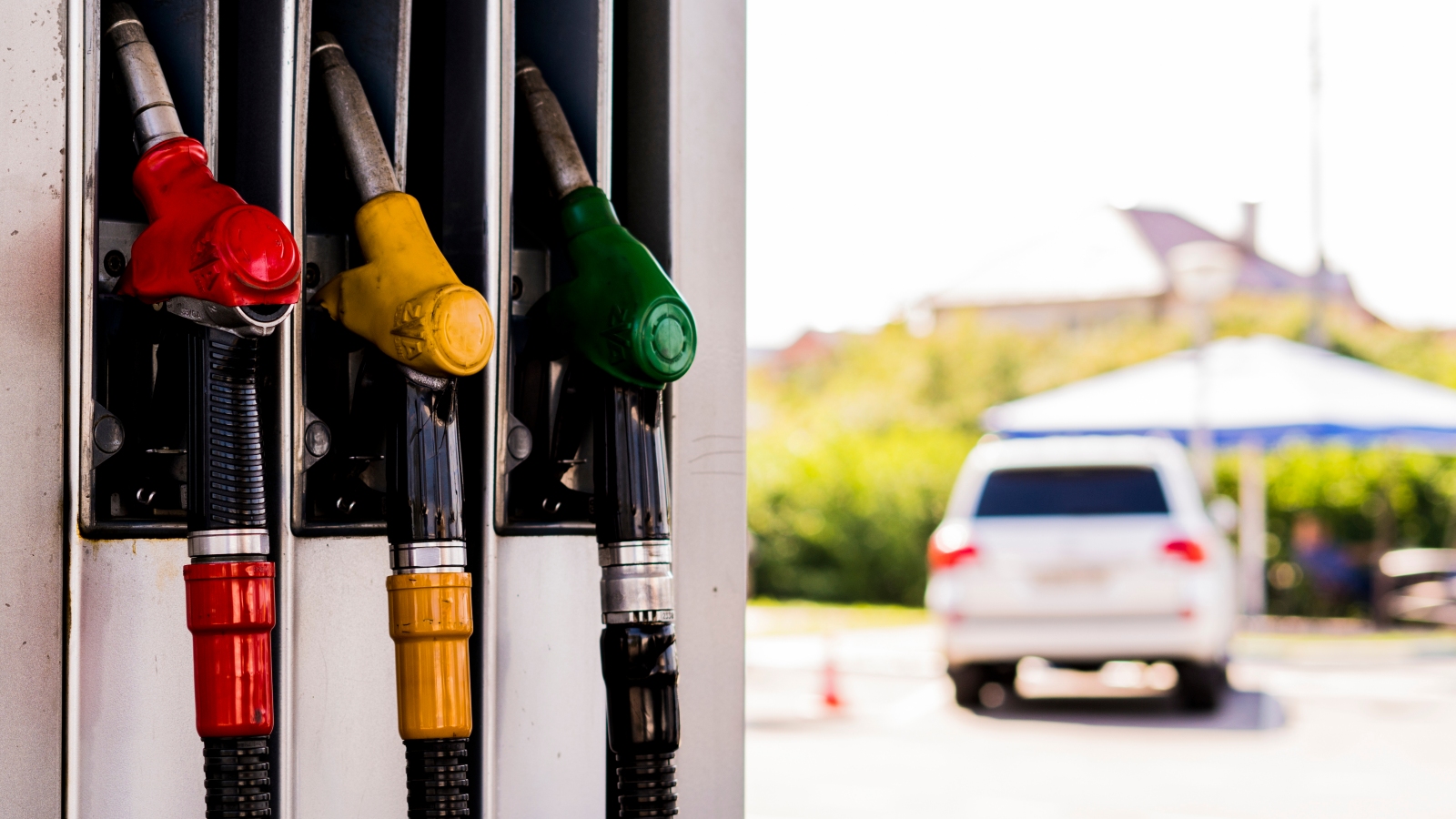
Petrol stations in South Africa are rapidly expanding their services to keep up with customer demand, including courier services, licence disc renewals, and backup power rentals.
Domnick Nkhatu, Senior Manager of Convenience Trading at BP Southern Africa, explained that the evolution of local forecourts is unlikely to stop here.
He noted that, thanks to round-the-clock, value-adding personalised services and EV charging, petrol stations are set to keep broadening their role.
“What customers increasingly value is the ability to do more in one stop — whether that’s picking up an essential item, accessing a useful service or earning rewards on everyday purchases,” he said.
“As customer habits change, the sites that stand out will be the ones that make everyday life simpler, more convenient and more useful for customers.”
“Technology, including AI over time, will help make those experiences faster, easier and more responsive, but human connection will remain central to meeting customer needs in meaningful ways.”
To meet this demand, some BP forecourts now host The Courier Guy lockers, to allow customers to send and collect parcels at any time of day or night.
“If you have a busy schedule, it offers a practical alternative to waiting at home or visiting a courier branch during business hours,” the fuel station chain explained.
One service offered by BP that is most likely to appeal to most motorists is the renewal of vehicle licence discs at forecourts through RenewOnline, instead of waiting in long queues at renewal stations.
“You can either pay for your new licence disc online, from the comfort of your home, or by visiting a BP service station,” the chain said.
“Within a few days, your new disc will be couriered to your chosen destination, which could be your home or a BP service station.”





 Loading ...