1 in every 10 ‘fuel’ stops in South Africa is an electric car charger


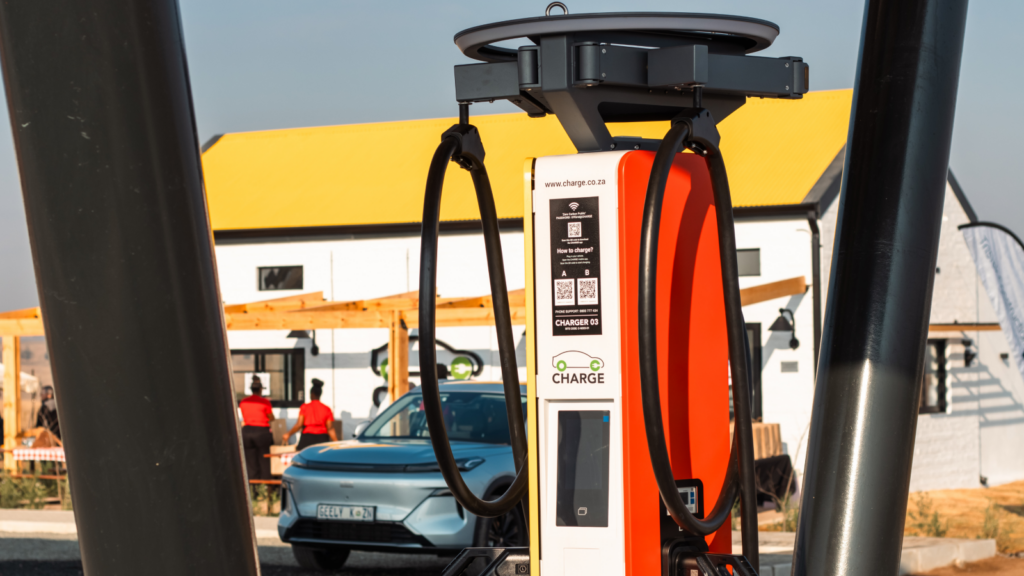
There are roughly 4,600 traditional petrol and diesel service stations in South Africa, compared to around 445 public electric vehicle (EV) chargers, at a ratio of around 1 to 10.
This is according to the GoSolr Electric Vehicle Light Paper, which highlighted the rapid growth of electric vehicles alongside the ongoing challenges of public infrastructure and reliance on a strained national power grid.
GoSolr explained that falling vehicle purchase prices driven by competitive international manufacturers and new local production initiatives are making electric transport increasingly accessible to consumers.
However, slow public charging infrastructure rollout means even faster local adoption remains stifled, as range anxiety persists among potential buyers.
South Africa plans to complete its 1,000th public EV charging station by year-end, but this is still a long way off from the number of traditional service stations along national routes.
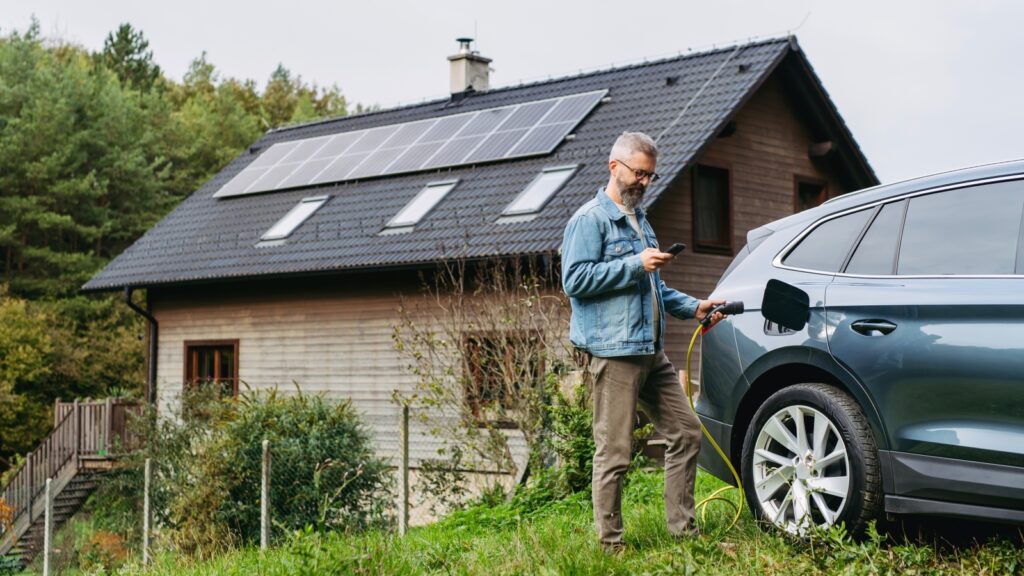
On top of this, 78% of all public charging points are concentrated in just two provinces – the Western Cape and Gauteng – forcing EV owners in other provinces to install at-home and solar chargers.
According to GoSolr, entire national corridors lack charging infrastructure, such as the 300 km stretch of the N1 between Beaufort West and Three Sisters, which remains an unserviced “charging desert”.
To remedy this, several EV charging station owners are planning continued rollouts, including Rubicon, GridCars, and off-grid, solar-powered charging provider Zero Carbon Charge.
The latter is planning to bridge transit corridors by building its hubs about 150km apart on national routes to dispel range anxiety.
That said, charging grid expansion remains a major obstacle, as dragging reliable power to a semi-desert stretch of the N1 can cost up to R2 million for a single charging site.
Andrew Middleton, CEO at GoSolr, explained that, for daily driving, most EV owners are looking at the wrong charging map.
“The charger that matters is the one on your own roof, and once that’s in place, the everyday range anxiety and the forecourt queue fall away,” he added.
“The long road trips still lean on the public network, and that’s filling in fast. For the drive you do every day, though, the roof already has you covered.”
NEV adoption is accelerating in South Africa
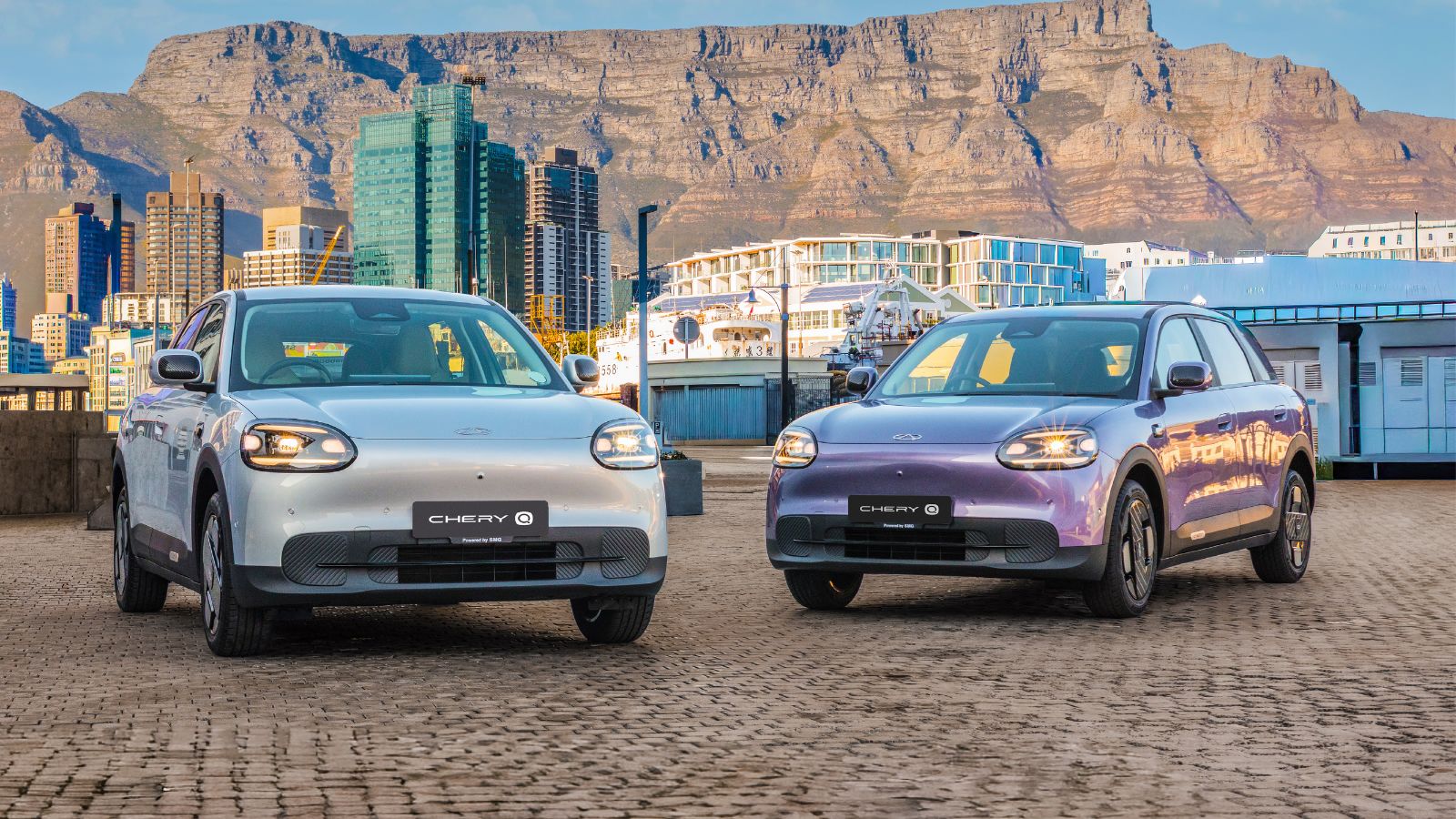
According to the Automotive Business Council (Naamsa), South Africa’s New Energy Vehicle (NEV) market continues to demonstrate upward momentum and expanding consumer uptake.
Cumulative NEV sales, including rechargeable cars like battery electric and plug-in hybrid (PHEV) models, reached 22,389 units for the first nine months of 2026.
This has entirely eclipsed the full-year 2025 total of 16,703 units by 34.0% with a full quarter remaining.
Naamsa said that the acceleration in alternative powertrain adoption is vividly underscored by the milestone that 1 in every 9 cars sold in September was an NEV.
It added that underlying this broader market penetration is a fundamental compositional shift from traditional hybrids to rechargeable vehicles.
“Having crossed the 50% threshold on a cumulative basis since July 2026, rechargeable vehicles – combining PHEVs and BEVs – accounted for 50.5% of all year-to-date NEV sales in September, slightly exceeding the contribution of traditional hybrids, which stood at 49.5%,” Naamsa said.
“This illustrates an evolving adoption pathway, as consumers progressively transition along the electrification journey from traditional hybrids toward fully rechargeable powertrains.”
This transition is not unique to the passenger vehicle market, as “green mobility” is increasingly extending into commercial vehicle segments.
According to Naamsa’s data, early-stage adoption is taking root across light and medium commercial vehicle segments.
“While these commercial volumes remain nascent, their emergence signals a vital broadening of South Africa’s low-carbon transition from private commuting into commercial logistics and fleet operations,” it said.
Looking ahead, sustained momentum will require aligning policy frameworks, expanding charging infrastructure, and accelerating local manufacturing.
Only this will convert growing domestic demand into localised industrial investment, employment, and long-term export competitiveness.



 Loading ...