
Indian-built Renault Duster on its way to South Africa – What to expect


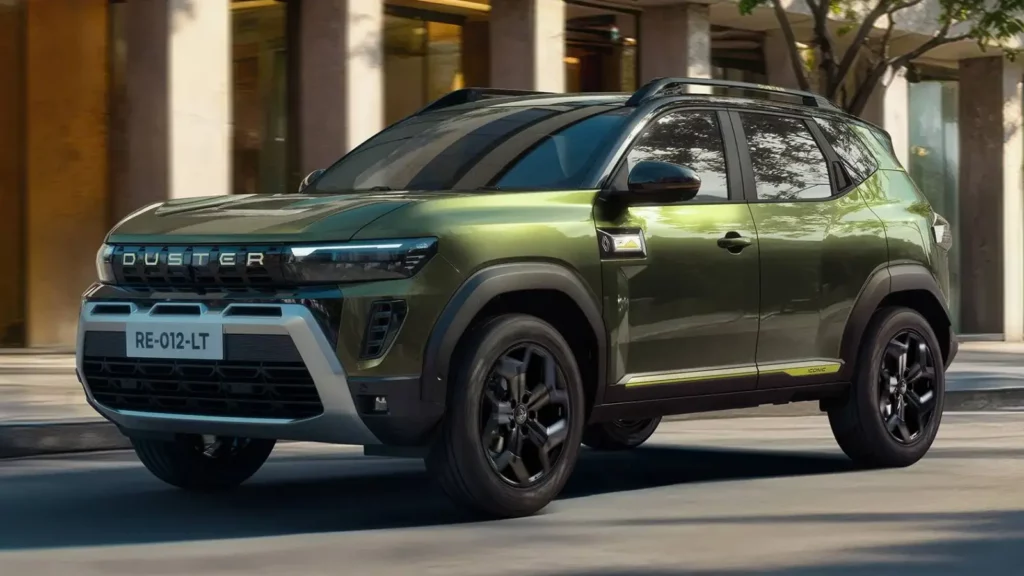
Renault India, a wholly-owned subsidiary of the Renault Group, has shipped the first batch of Duster models to South Africa, marking a shift away from Romania-built models.
The first shipment of 750 vehicles from Chennai marks the beginning of Renault India’s export programme for the new Duster.
During the loading of the SUVs, Renault Group India CEO Stephane Deblaise commented that the start of exports of the new Duster is an important moment for the company.
“It is a strong validation of the quality, capabilities, and competitiveness of our operations in Chennai,” he said.
“It reflects the progress we have made in building India into an integral part of Renault’s global industrial footprint.”
Deblaise added that India possesses all the fundamentals required to become a leading automotive export hub, including world-class manufacturing capabilities, engineering talent, scale, and an evolving logistics system.
“As Renault continues to expand its international footprint, India will play an increasingly strategic role in our future plans,” he noted.
“We remain committed to contributing to the country’s manufacturing ambitions and are working towards our objective of generating €2 billion (around R38 billion) in annual exports from India by 2030.”
The all-new Duster is the first Renault vehicle in India to be built on Renault’s Modular Platform, which is a flexible architecture designed to support multiple powertrain options.
In India, the SUV is offered in no fewer than six derivatives and three powertrains, and has secured a 5-star Bharat NCAP safety rating across all variants and powertrains,
Renault has yet to confirm which of these configurations will be available in the South African market, as well as what local prices and specifications may look like.
These details are likely to be announced in the coming weeks, ahead of the new Duster’s local launch.
A new Duster for South Africa
The India-built Duster models closely resemble models that originated from Romania, with some minor updates that set them apart from their predecessors.
Firstly, in their home market, they are slightly wider and higher than before, and feature a moderately raised ground clearance.
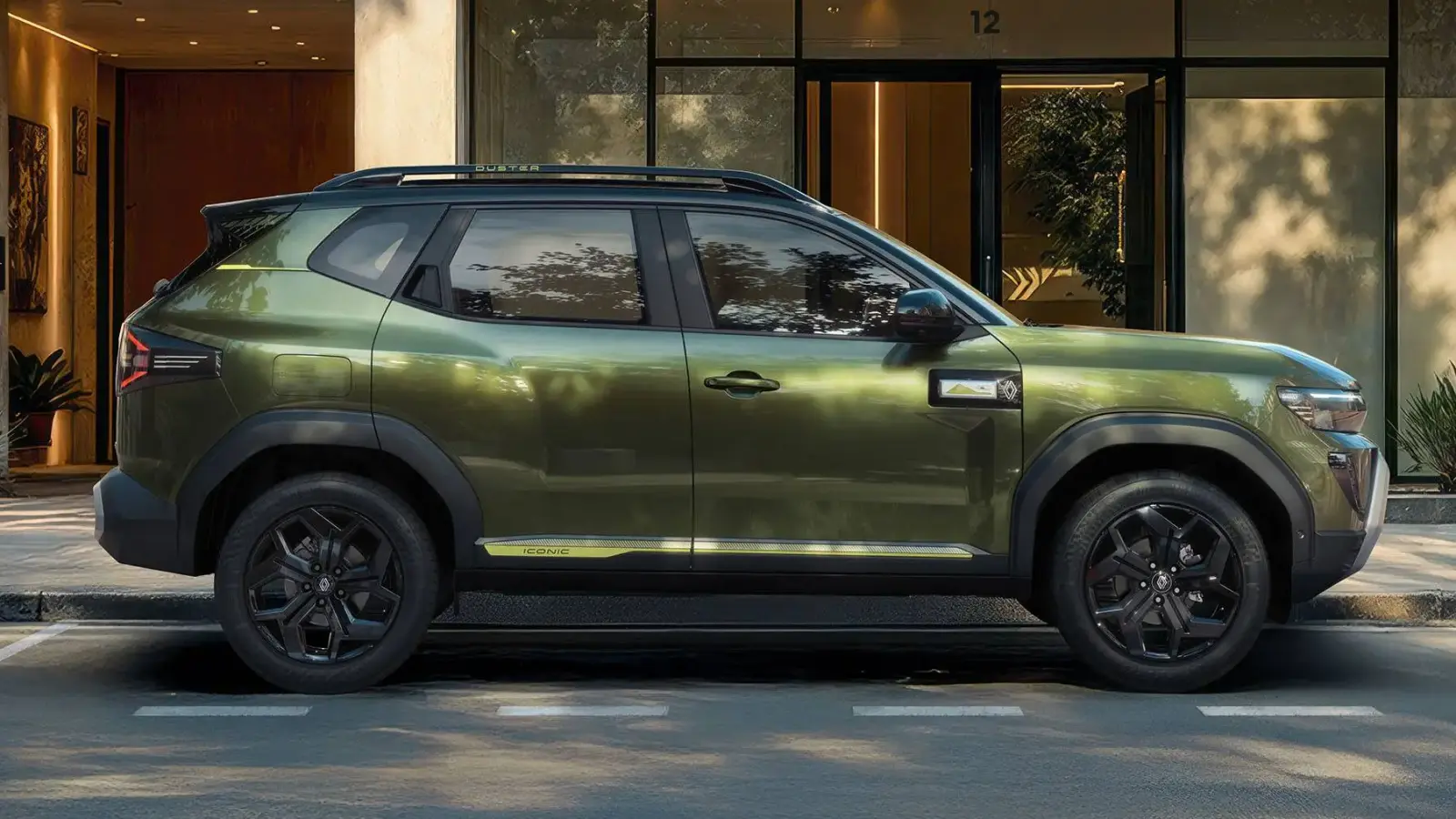
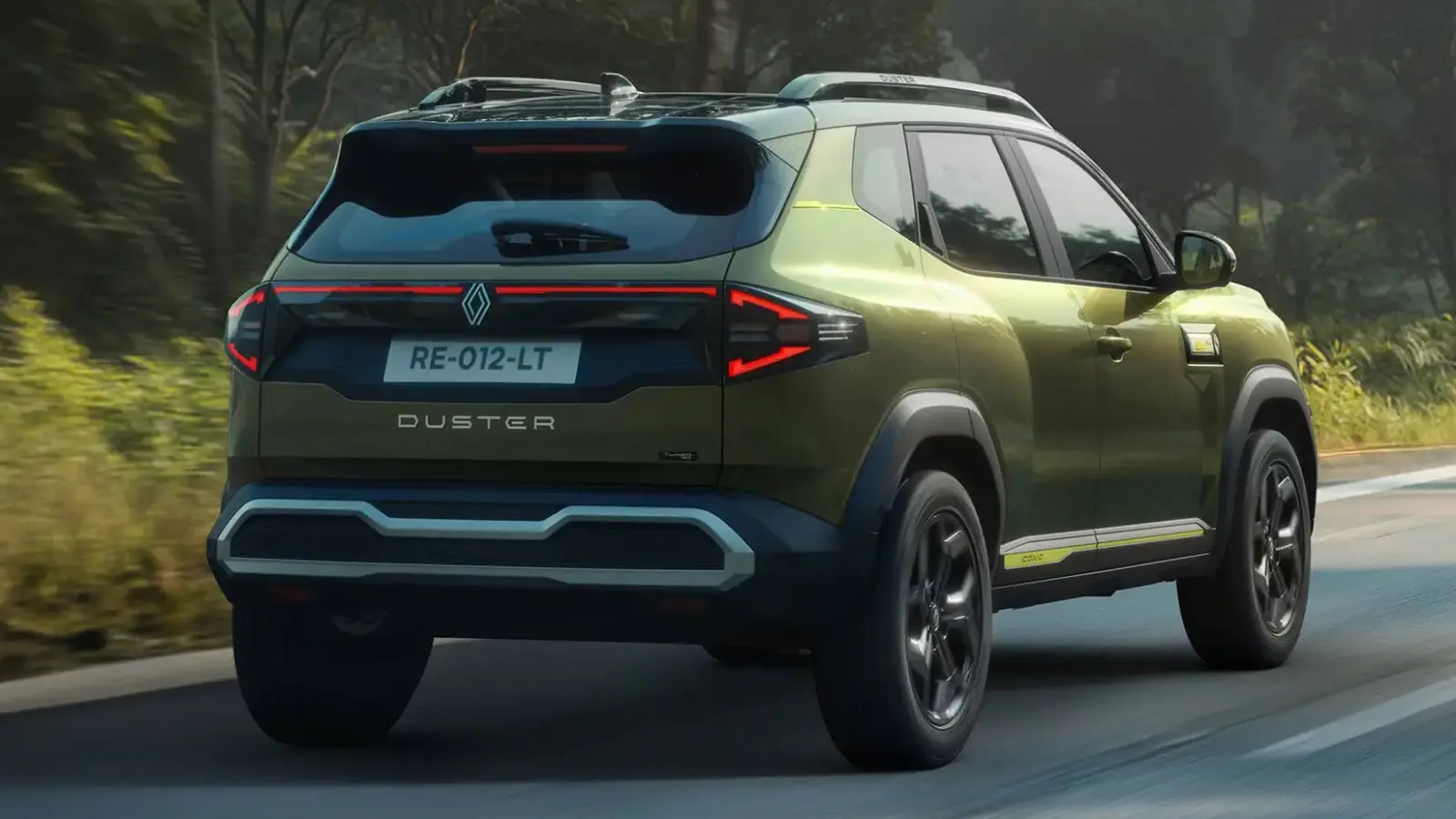
In terms of styling, the new Duster features an updated grille that now reads “Duster” instead of “Renault”, as well as new front and rear bumpers, with front LED daytime running lights and LEDs at the rear.
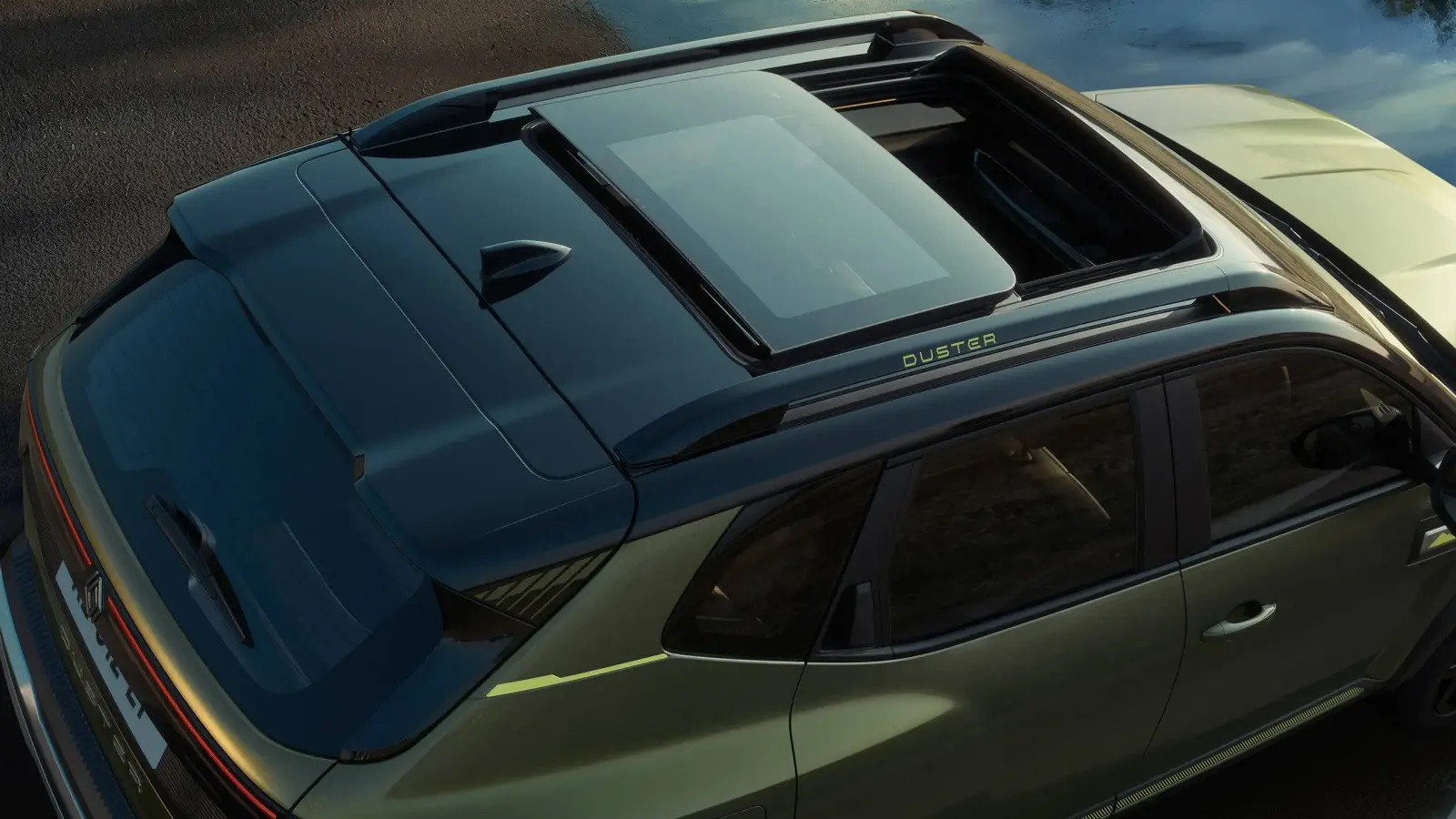
All but the entry-level model feature fixed black roof rails with a 50kg carrying capacity, while higher-end derivatives also feature yellow “Duster”-branded decals and badging.
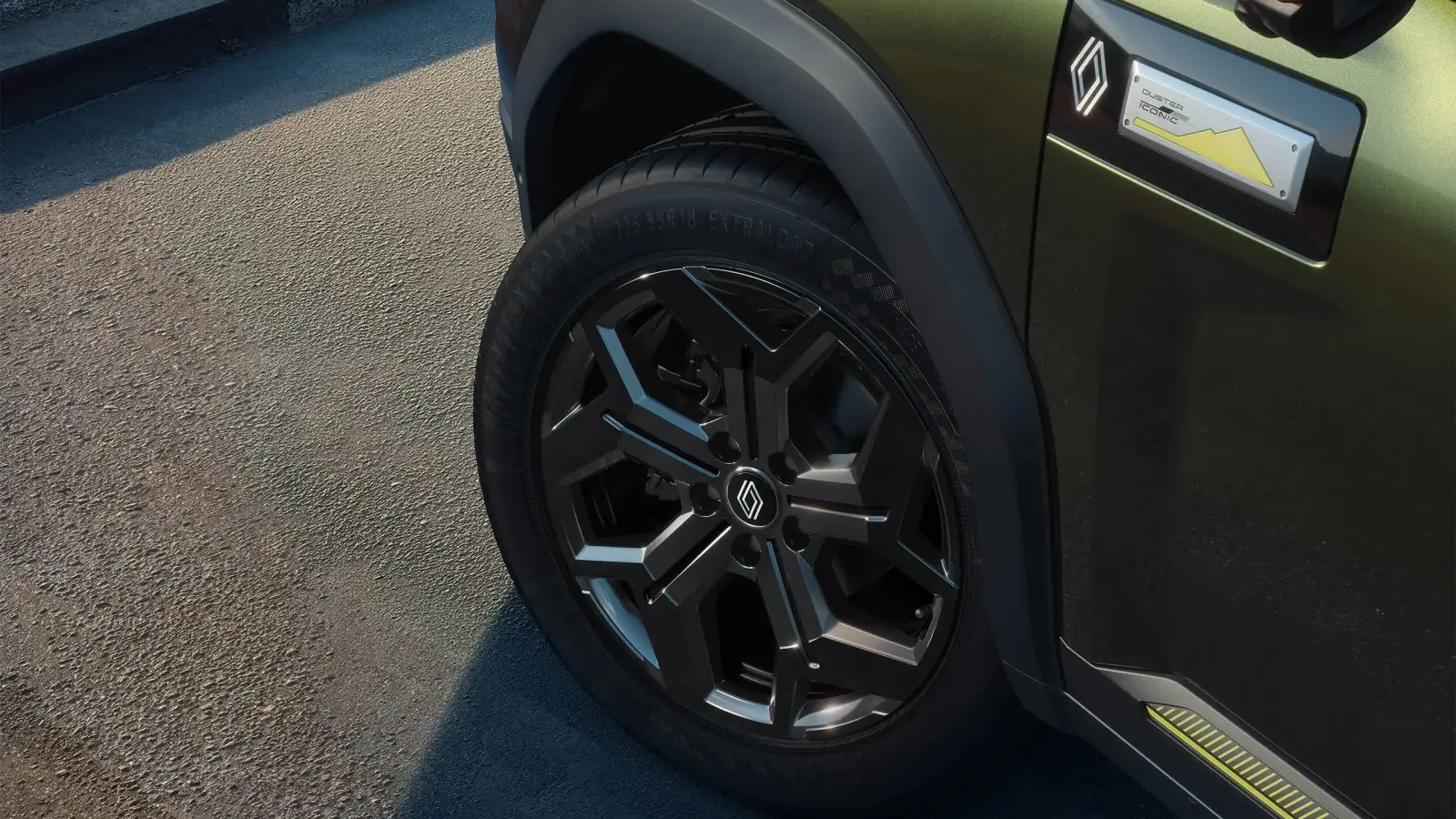
The new model also features updated alloy wheels, front- and rear skidplates, and a rear roof spoiler.
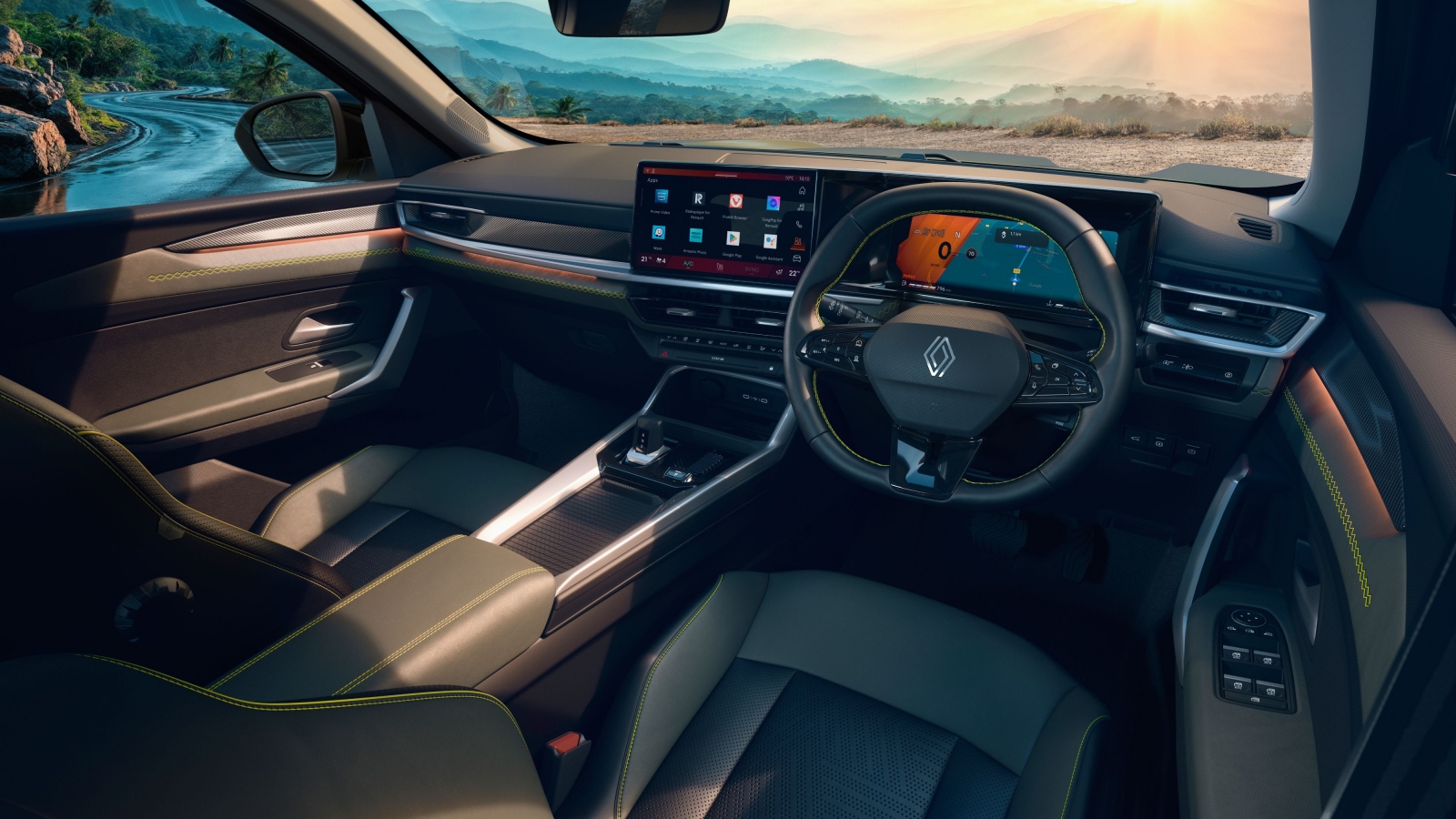
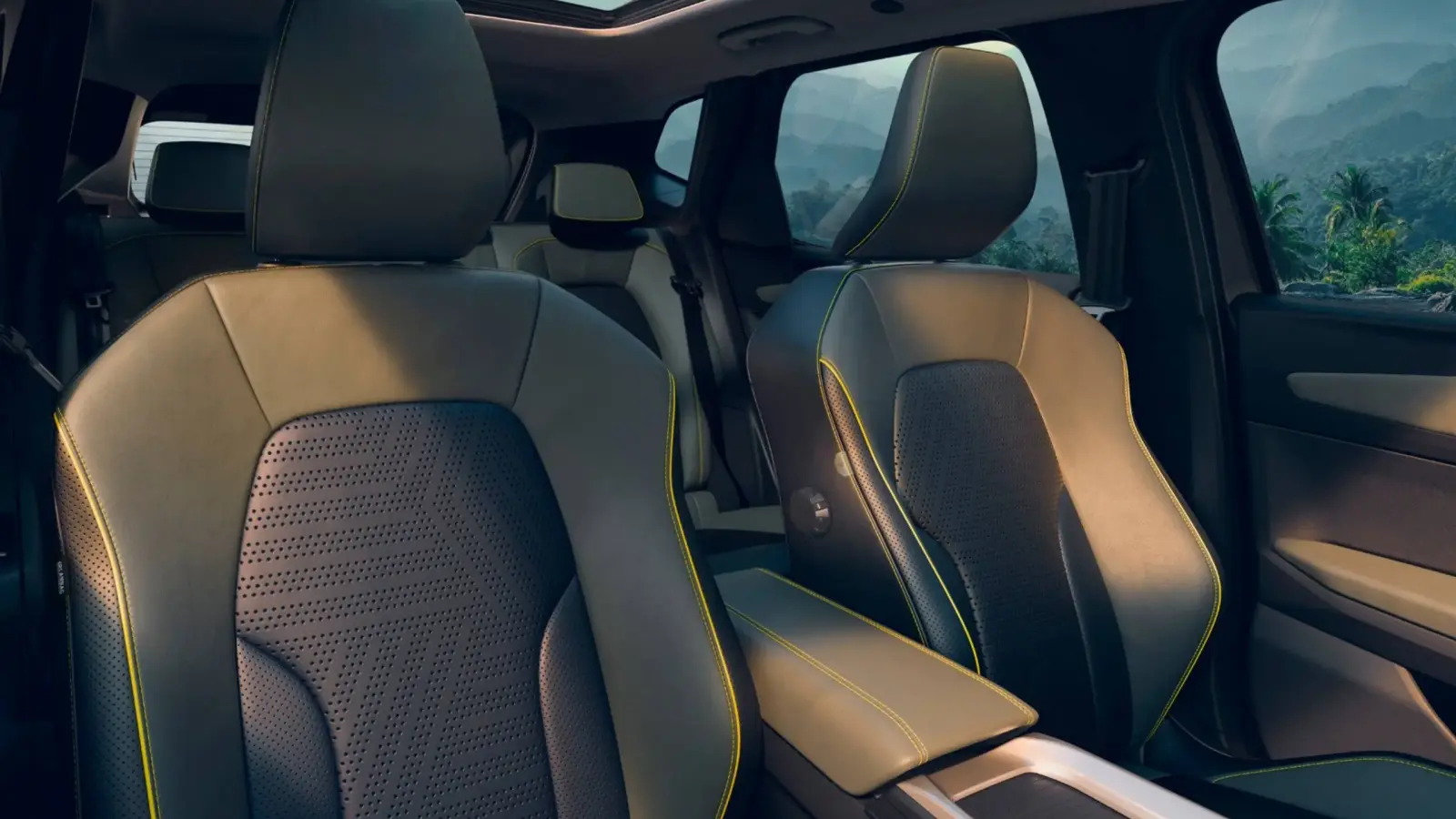
Inside, the updated SUV features a new cabin and dashboard layout, including a range of different upholstery options, as well as various dashboard and door insert material finishes.
Comforts on certain models include a panoramic sunroof, six-way electrically-adjustable ventilated front driver and passenger seats, a centre console with cooled storage and a sliding armrest, dual-zone manual or automatic air-conditioning, and an electric tailgate.
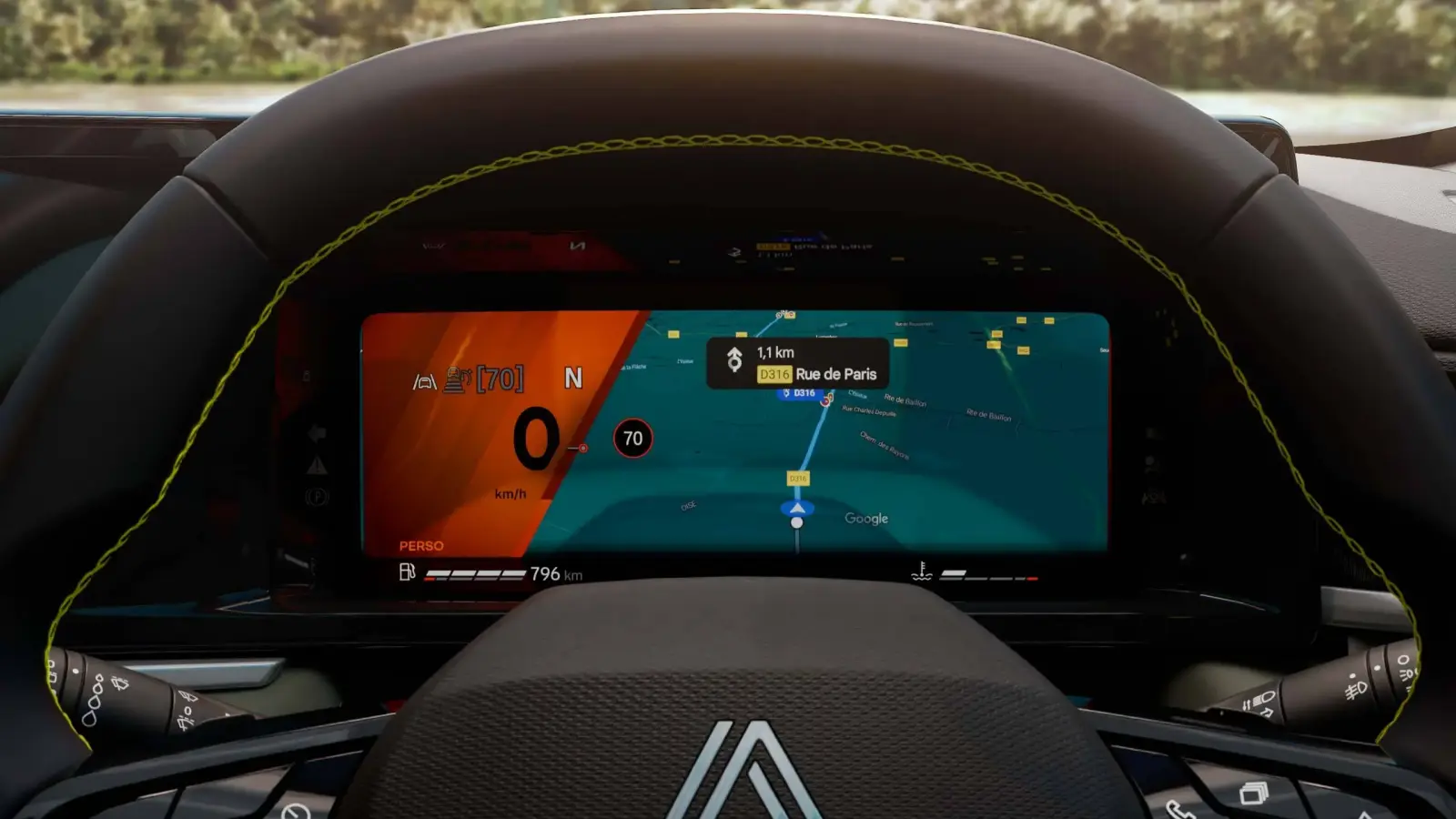
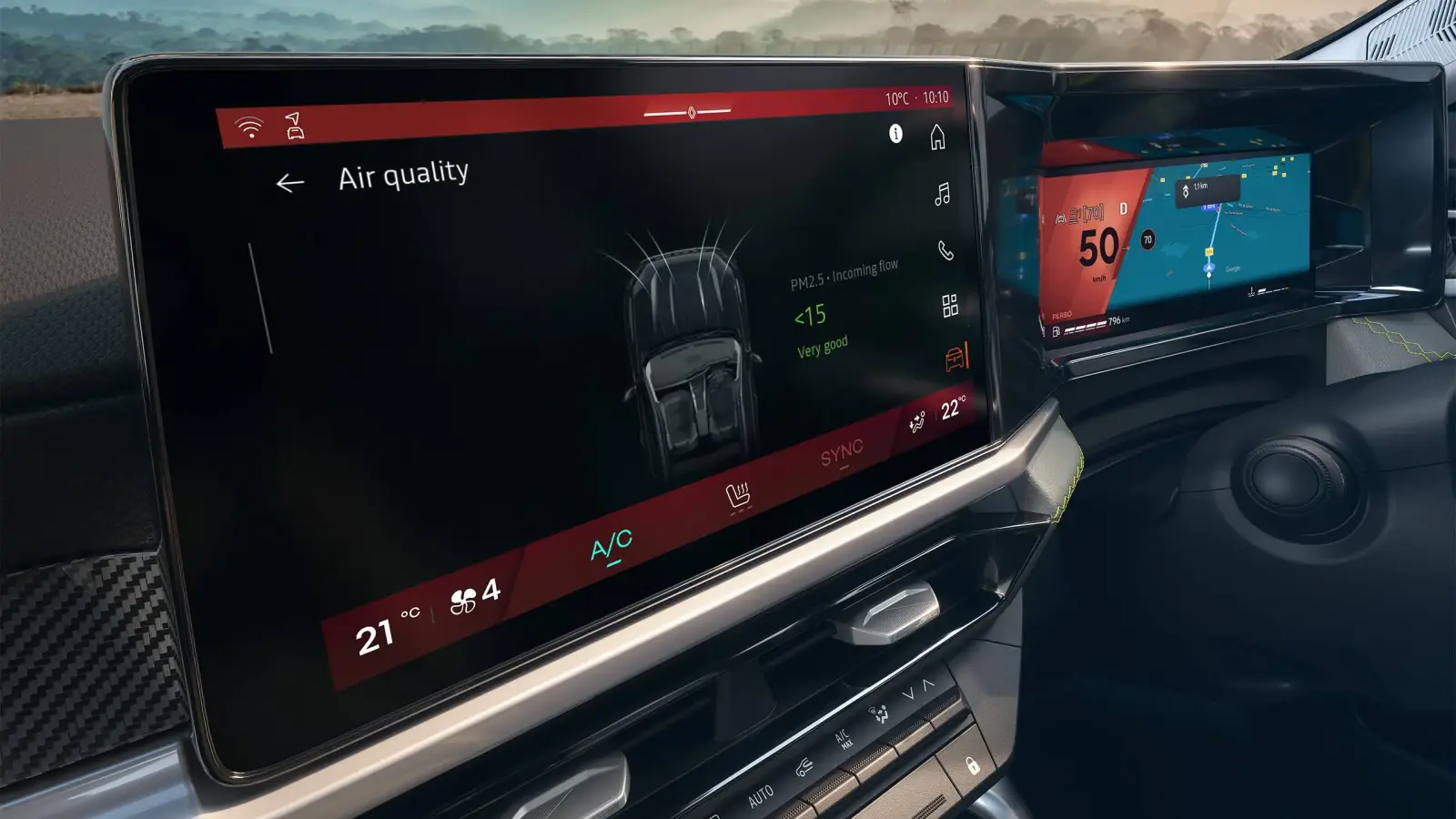
Technology offerings on lower-spec trimlines include a 7-inch digital driver display alongside a 10.1-inch multimedia system, while higher-end models share the same infotainment system, joined by a larger 10.25-inch driver display.
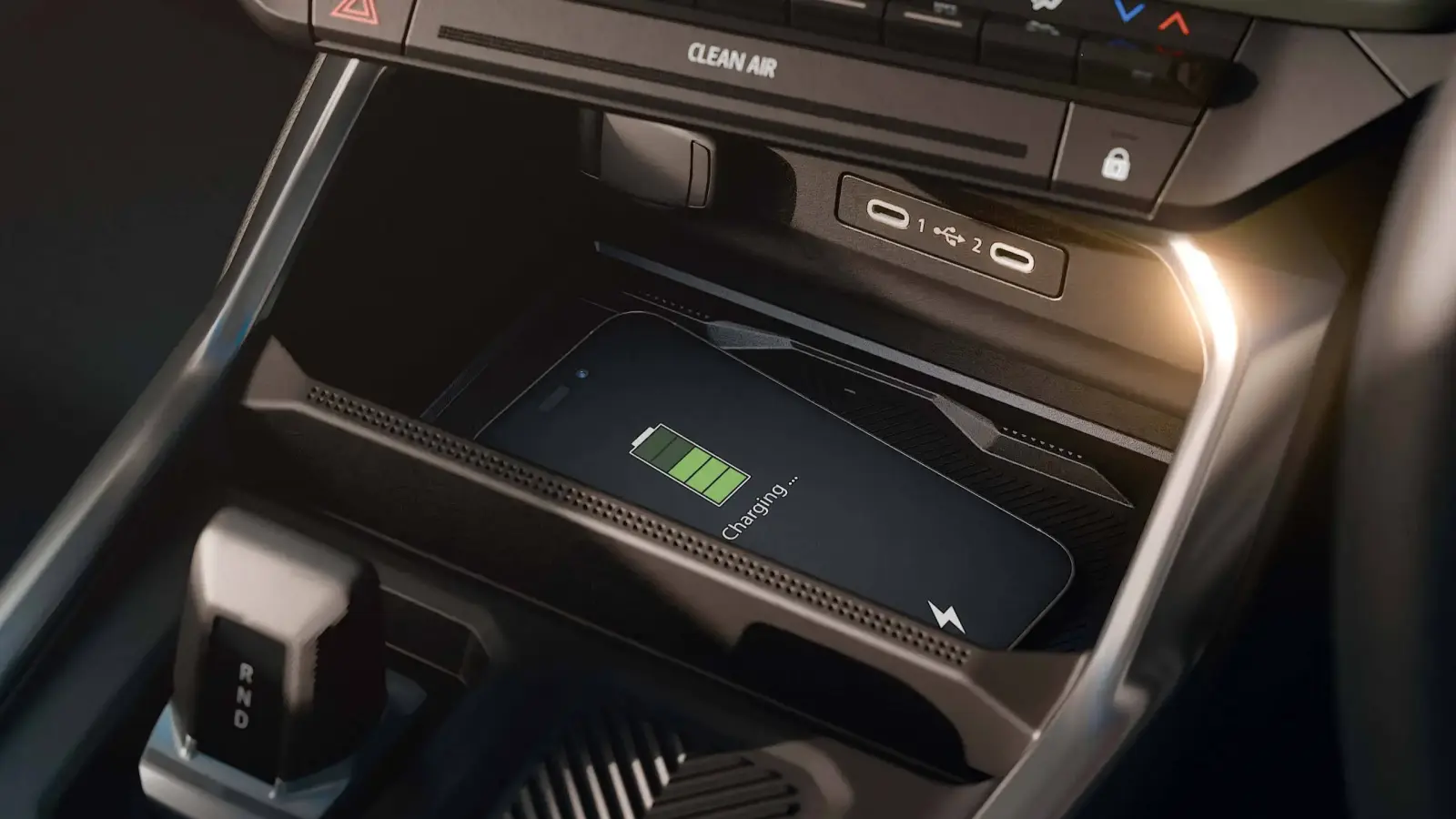
The infotainment system features smartphone integration, such as Android Auto and Apple CarPlay, as well as Bluetooth connectivity, USB Type-C charging, and 48-colour ambient lighting.
Further driver conveniences include keyless entry and push-start, remote window and sunroof controls, a multifunction steering wheel with phone controls, and paddle shifters on DCT models.
Safety features include front and side driver and passenger airbags, as well as curtain airbags, ABS, EBD, ESC, seatbelt reminder, rear passenger alerts, and ISOFIX child seat restraints.
The new Duster is also fitted with a range of Advanced Driver Assistance Systems (ADAS), including parking assist and a 360-degree camera.
While local powertrains are yet to be confirmed, models are sold in India with a choice of three configurations.
The first is a turbocharged 1.0-litre petrol motor, mated to a six-speed manual transmission. This entry-level configuration is good for 74kW and 166Nm.
Higher-spec models are fitted with a turbocharged 1.3-litre petrol motor, which is then either linked to the same six-speed manual box, or a 6-speed DCT with e-shifter. Either way, these make 120kW and 280Nm.
Indian-built Renault Duster



 Loading ...