Push to make digital driver’s licences a reality in South Africa


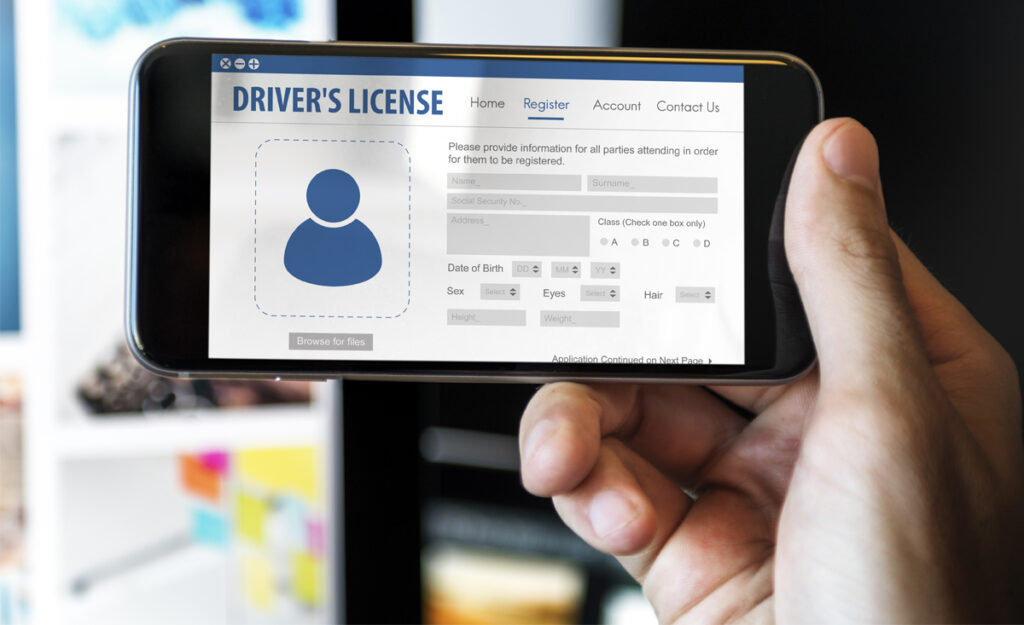
Rikus Badenhorst, chair of the Select Committee on Public Infrastructure and the Ministries in the Presidency, has called on the Department of Transport (DoT) to ramp up its efforts to introduce digital driver’s licences.
Earlier this month, Badenhorst urged Transport Minister Barbara Creecy to establish a timeline to launch digital driver’s licences in South Africa.
“The Select Committee has been tracking undertakings made since the 2022/23 financial year that a digital driving licence is to be introduced for the country,” he said.
“This would reduce the reliance on card machines where breakdowns lead to backlogs and hundreds of thousands of cards over multiple months are then obviously not being distributed to the licence holders.”
Earlier this year, when the committee was considering the DoT’s budget, it came to light that introducing digital licences was not part of the department’s five-year plan.
“In response, the department indicated that when we queried this, the government printing works is undertaking research on digital options.”
Badenhorst noted that the key aspects of the project would be ensuring the security and authenticity of the digital licences.
“The Select Committee will be working towards obtaining an executive undertaking from the minister for the timelines associated with the introduction of digital driver’s licences,” said Badenhorst.
“It is beyond me that we cannot introduce a digital driver’s licence which could be held on a cell phone and which could be operationalised.”
He added that the Select Committee will ensure there’s movement on the new licence project over the next four years.
While digital licences are not mentioned in the DoT’s five-year plan, they are featured in the Driving Licence Card Account’s (DLCA’s) annual performance plan.
The DLCA’s plan for 2025/2026 states that it will be at least a few years before South Africa will receive the new “cards.”
It explained that the government approved the new driving license card design back in August 2022, and that the project is the foundation of the new digital licences that can be stored and accessed via mobile devices.
“The entity commenced with the process for the acquisition of the equipment and related infrastructure,” it said.
“The new card project will allow the DLCA to adopt digital technologies that will enable the automation of processes and provide some agility with a focus on delivering services efficiently and promptly.”
The plan lists multiple tracked inputs over the medium-term expenditure framework, such as ‘improved competitiveness through the adoption of new technology,’ in reference to digital licences.
Unfortunately, the DLCA has not set any performance targets to track its progress until 2026/2027.
The entity lists its output indicator for the project as the “percentage of new card implementation,” which it targets at 25% implementation in 2026/27 and 75% in 2027/28.
Why South Africa needs to go digital
Driving.co.za managing director Rob Handfield-Jones has argued that South Africa has no need for physical licences.
“Every driver has fingerprints, and every vehicle has a VIN,” he previously told MyBroadband.
“If SARS can collect tax with an app, surely traffic officers could police drivers with an app.”
He believes that scrapping physical documents would end the issues related to acquiring new cards.
The country’s only licence printer has broken down several times in the last few years, creating extensive backlogs for renewal applications.
Efforts to acquire a new printer have also been mired in controversy over a tender flagged for several discrepancies, bringing the acquisition process to a halt.
Handfield-Jones said that developing an app for traffic police to check driver credentials could be done for a fraction of the cost of acquiring a new printer.
He argued that the lack of meaningful progress indicates that the government is more concerned about revenue collection than efforts to improve efficiency and safety on South Africa’s roads.




 Loading ...