


Several recent developments have shaken up the local automotive industry and have drawn renewed attention to South Africa’s Automotive Industry Master Plan, which one committee has now criticised.
Major incidents include South Africa’s largest motoring retailer retrenching workers and restructuring its operations, and Nissan selling its Rosslyn plant to the Chinese giant, Chery.
As such, the Portfolio Committee on Trade, Industry and Competition met with the Department of Trade, Industry and Competition (DTIC) to assess the progress towards the Master Plan.
During its assessment, the committee also met with key automotive industry stakeholders to evaluate whether the Master Plan had strengthened the automotive value chain or grown the local economy.
The Automotive Industry Master Plan has objectives that it aims to meet by 2035, including expanding the industry by increasing local content, improving global competitiveness, and deepening value addition.
The plan also aims to transform ownership and participation across the automotive value chain, and crucially, to double employment within the automotive sector by 2035.
During engagements, the DTIC and automotive industry stakeholders reported that local vehicle production, employment, and overall exports had recovered to pre-pandemic levels.
However, it was noted that performance levels remain below the targets set in the Master Plan,
The biggest concern is that local content production levels have stagnated, and remain around 40%, which limits the industry’s ability to meet employment targets or grow domestic supplier numbers.
Chairperson of the committee, and former mayor of Ekurhuleni, Mzwandile Masina, emphasised the strategic importance of the automotive industry to South Africa’s economy.
“The automotive industry plays a critical role in our economy and presents real opportunities for transformation and the growth of township economies,” he said.
“Local public procurement must be leveraged to support domestic vehicle production, improve economies of scale and expand the range of components produced locally.”
More needs to be done
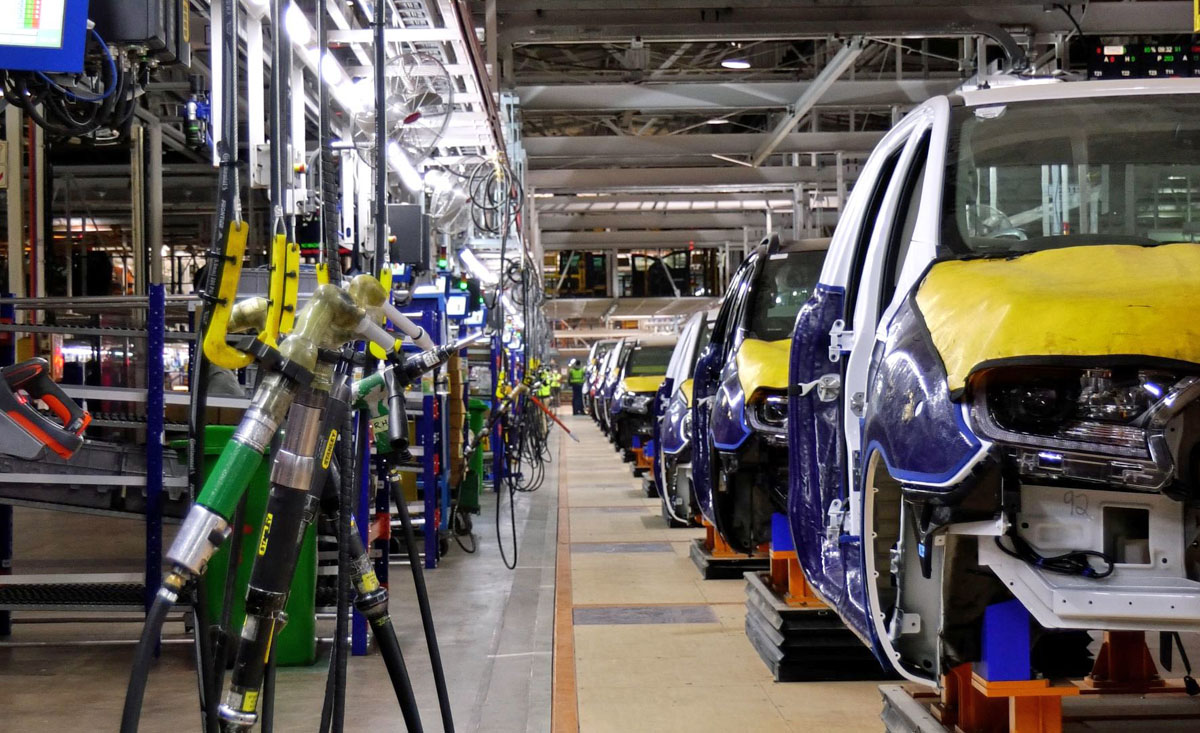
To steady the ship, the Portfolio Committee called for deeper localisation of production, increased job creation, and meaningful transformation of the entire local automotive industry.
During engagements, industry stakeholders stressed the urgent need to restructure tax and incentive systems to promote improved domestic vehicle production and sales.
Stakeholders argued that, currently, independent importers and semi-knocked-down kit assemblers are allowed to bring vehicles into South Africa at much lower costs.
They argued that the current system suppresses demand for locally manufactured vehicles and also threatens jobs across the entire automotive value chain.
Furthermore, stakeholders urged the government to make better use of its local public procurement policies, particularly in public fleet management, to support domestic vehicle manufacturers.
This includes incorporating local entrepreneurs and service providers into public fleet systems, which they say will help to grow the local value chain, create more jobs, and deepen sector transformation.
In response to these calls, the DTIC stated that it will be reviewing its automotive policies to ensure stronger and more effective interventions.
This includes a commitment to addressing the challenges brought about by cheaper vehicle imports, ongoing global trade uncertainty, and a transition from internal combustion engines to electric vehicles.
The DTIC’s policy review will also look to accelerate localisation and transformation across the entire automotive industry.
Masina mentioned that many of the challenges that were raised by stakeholders cut across the mandates of the DTIC, National Treasury, and the Department of Transport.
The Portfolio Committee is compiling a report based on engagements, which it will submit to the National Assembly to make recommendations to the Minister of the DTIC, Parks Tau.



 Loading ...
-2026.10.webp)



-2026.10.webp)