Airports Company South Africa (ACSA) has announced that certain flights may be delayed, diverted or cancelled at two major airports due to severe weather in the Western Cape.
This weekend, the government officially declared a national disaster following intense storms across large parts of South Africa.
This classification follows widespread rainfall, flooding, strong winds, and thunderstorms in multiple provinces, including the Western Cape, Eastern Cape, North West, Free State, Mpumalanga, and Northern Cape.
Certain areas in South Africa and Lesotho have even experienced heavy snowfall.
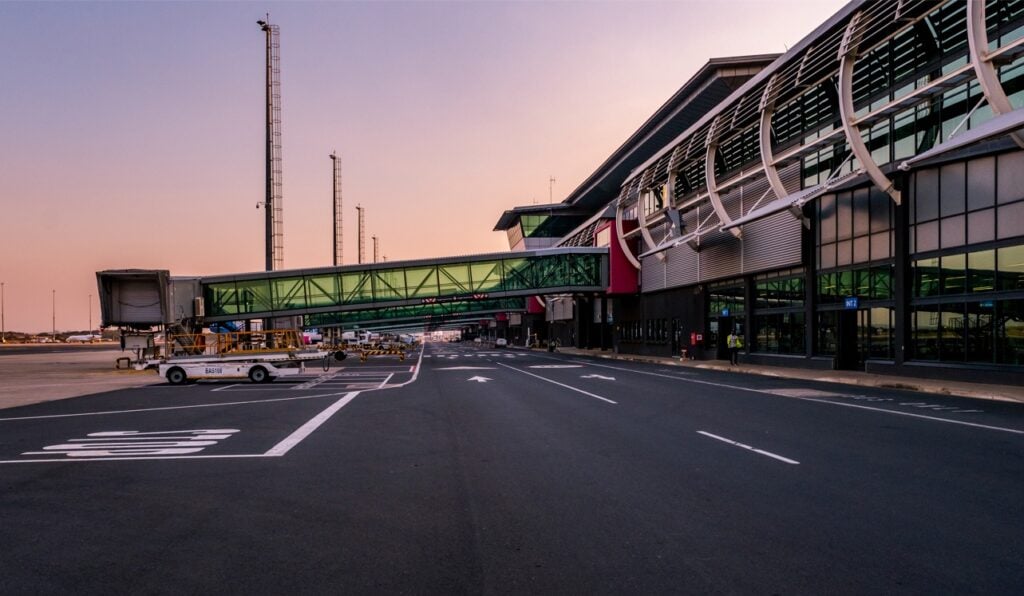
Due to the severe weather, ACSA stated that operations at Cape Town International Airport and George Airport and that passengers can expect flight disruptions or cancellations.
“Despite the inclement weather, both Cape Town International Airport and George remain open and operational. Airport operations continue to be closely monitored, and alternative airports are accommodating diverted flights where required,” it said.
“Passengers are encouraged to consult the ACSA Mobile App or their respective airlines for
the latest flight information.”
Government declares national disaster

This past weekend, the Head of the National Disaster Management Centre (NDMC), Elias Sithole, officially declared the weather a national disaster.
NDMC spokesperson Thabo Khupari told eNCA that the declaration assigned primary responsibility to the Executive to re-assign resources to repair damaged infrastructure and assist those affected by the disaster.
“It also empowers other organs of state to assist in responding to the disaster,” Khupari said. “Mostly, the impact we have seen has been on infrastructure, like our roads.”
“Most of our dams are overflowing. We activated contingency arrangements and evacuated those who were at risk, saving lives.”
The Minister of Cooperative Governance and Traditional Affairs, Velenkosini Hlabisa, told SABC News that flooding is a major problem in South Africa, since many communities live in floodplains and other areas unsuitable for habitation.
“We need a bold, cooperative approach across different spheres of our communities, civil societies, and political parties to start requesting people on floodplains to relocate before there is a disaster,” he said.
He added that communities are often reluctant to leave when early warnings are issued.
“People say: if we leave our area and property, people will come and steal,” he stated.
“We want to encourage our people that life must take priority. Even if you know you may not find your goods when you come back, you have one life.”
The minister said that municipalities cannot allocate land to people on floodplains, but that informal settlements often emerge as people move closer to cities in search of jobs.
“They then find they put themselves in danger by residing in areas that are not good for human occupation.”
However, Gift of the Givers claims that cooperation with early warnings has improved, likely because last year’s floods are still fresh in the mind of many communities.
“In the past, people were very reluctant when these weather warnings went out. They did not even take heed of any of these weather warnings,” said Ali Sablay from the Gift of the Givers.
“When the level 8 warning came for the residents of Kouga and Nelson Mandela metro, surprisingly, the halls filled up rapidly.”
Flooding and road closures in South Africa

Several towns and municipalities across South Africa have closed roads due to flooding or strong winds.
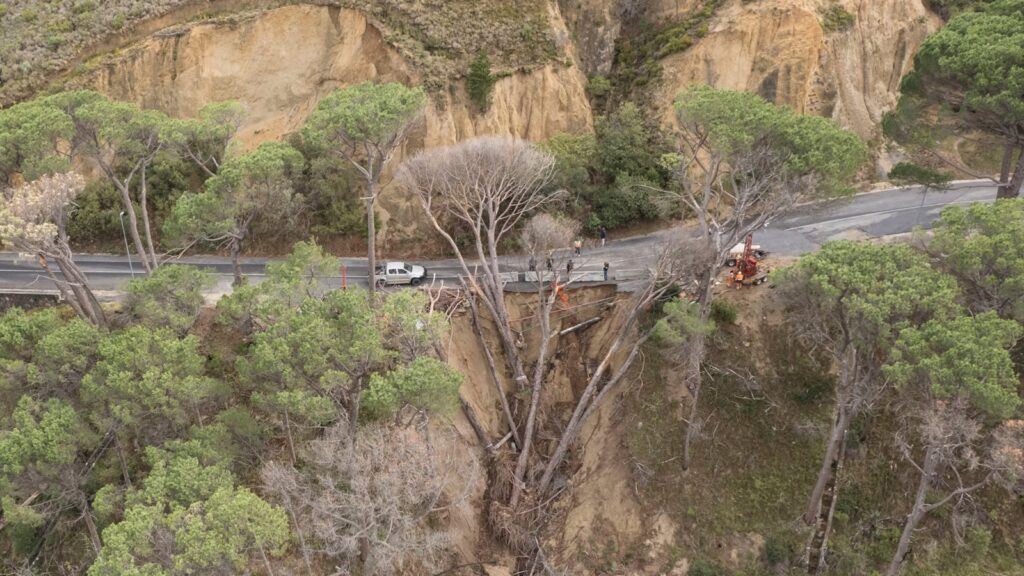
In Cape Town, Chapman’s Peak Drive has been closed due to adverse weather conditions.
The Western Cape government has also issued a Level 8 rainfall warning across parts of the province and closed roads around Swellendam and Caledon.
Over the past week, Plettenberg Bay and George have closed roads, and areas along the Garden Route near Mossel Bay have also been affected.
Motorists are advised to closely follow updates from their local municipalities about additional road closures and weather warnings.
You can also use Google’s flood tracking site to see which parts of South Africa are most affected.
Areas highlighted in red and dark red have experienced severe flooding and motorists should avoid these areas if possible.
Note that the data from Google is not comprehensive, and you should still check the latest reports from the local authorities when planning your next journey.



 Loading ...