


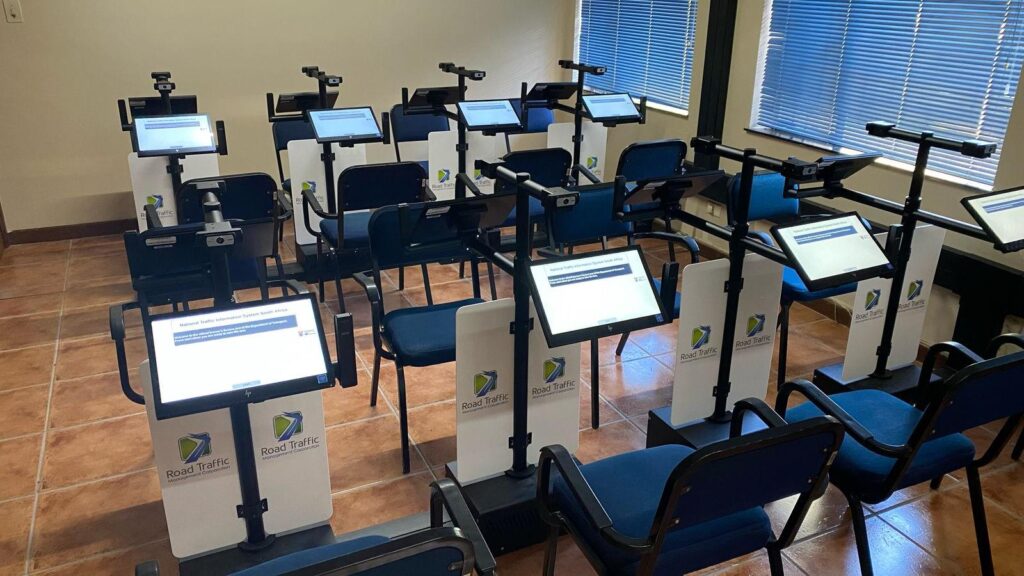
Less than one in five aspiring motorists have passed the new computerised learner’s licence test that was introduced in the Western Cape last year.
Over 142,100 applicants have taken the test since it was launched in May 2025, and only 17% managed to pass, according to the Freedom Front Plus (VF Plus).
The political party and GNU member voiced its concerns over the low pass rate, as only two out of every 10 learner drivers pass on average.
The Western Cape introduced the Computerised Learner Licence Testing (CLLT) last year to crack down on cheating while also improving the quality of the assessment.
A total of 66 Driving Licence Testing Centres (DLTCs) in the Western Cape now offer the computerised tests, as only four centres have yet to implement the new system.
The remaining centres, located in Murraysburg, Lamberts Bay, Lutzville, and Uniondale, will implement the computerised test by the end of the current financial year.
Prior to the widespread adoption of the new system, the Western Cape recorded an overall pass rate of 63% for learner licence tests in the 2026 financial year.
The average dropped by almost 50% when tests conducted via the CLLT were factored in. The new system makes fundamental changes to the way learner’s licence tests are conducted.
The new system requires applicants to answer multiple-choice questions from a large randomised pool, requiring the learners to demonstrate a more comprehensive understanding of the rules of the road.
Under the old manual tests, applicants were able to memorise answers to a smaller pool of questions, and practice for the specific tests they may receive.
This system also allowed for widespread fraud, including cases where officials colluded with or sold tests to learners.
The Western Cape Mobility Department attributed the lower pass rate partly to the transition from a manual to a computerised platform.
Members of the Provincial Parliament sounded the alarm about the low pass rate. A learner’s licence is required before individuals can begin the application process for a driver’s licence in South Africa.
Calls for a practice learner’s licence test
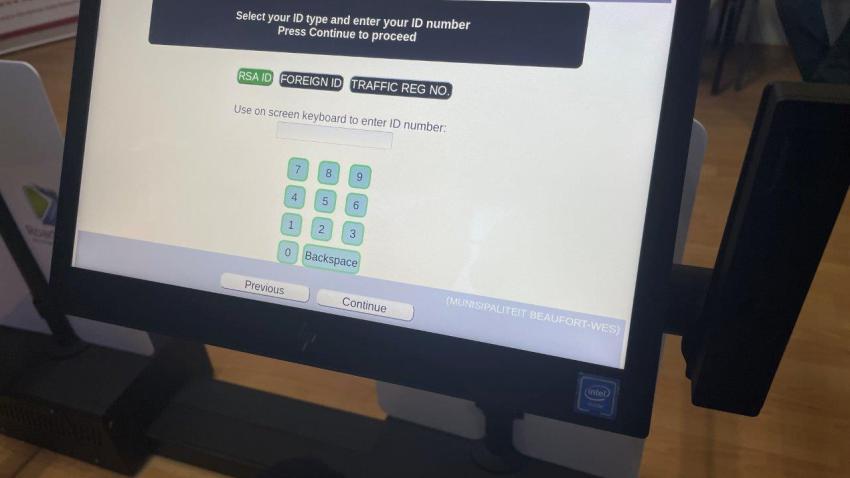
Cape Town mayoral committee member for safety and security, Alderman JP Smith, previously said there had been noticeable improvements at testing centres offering the computerised tests.
“The system is much faster. The person taking the test gets an immediate and accurate result; there’s no room for marking errors; it’s instant digital processing,” he told Cape Talk back in February.
“It also, of course, means that it is harder to cheat. The booklet system had a couple of question templates, and these were widely in circulation with learner’s licence schools.”
The VF Plus disagreed, saying that the new system’s extraordinarily high failure rate was due to poorly phrased questions that were difficult to understand.
“For many young people, obtaining a driver’s licence is an essential first step to accessing the labour market. This system is, however, hampering rather than facilitating obtaining a licence,” it said.
“This raises the question of whether candidates are failing because they do not know the traffic rules, or because they struggle to understand the wording and translated questions.”
It noted that, although the CLLT is available in all 11 official written South African languages, the department confirmed that the content did not undergo independent language proficiency assessments.
“We call on the Western Cape government and the Department of Mobility to assist young people by allowing them to complete a mock test before attempting the formal examination,” said the VF Plus.
“This will grant candidates the opportunity to experience and familiarise themselves with the online system, gain a better understanding of the question format, and approach the official test with more confidence.”




 Loading ...