


The South African Tyre Manufacturers Conference (SATMC) has sounded the alarm over an influx of cheap imported tyres from China, which are threatening local producers.
The surge in Chinese tyres is closely tied to the rise of Chinese carmakers in South Africa, more than 40% of all the brands available here now come from the People’s Republic.
Nearly two dozen Chinese car brands now operate in South Africa, many of which only launched within the last three years, including GAC, BYD, Changan, Foton, Geely, Omoda, Jaecoo, Jetour, JMC, MG, Lepas, and iCAUR.
SATMC managing executive Nduduzo Chala explained that, since these brands import their cars as completely built-up units, they are equipped with Chinese tyres.
In an interview with CapeTalk, Chala urged consumers to replace these tyres with locally made ones when the time comes to replace them, using brands like Continental, Dunlop, or Bridgestone.
He said that motorists generally prefer to replace tyres with the same brand, making it easier to sell locally-made tyres if cars are already equipped with them.
“[Local tyres] have got benefits other than to say you are fitting premium tyres. It’s also got an effect on jobs, sustainability, and local sourcing that goes beyond that local manufacturing,” he said.
South Africa’s auto sector has been flooded with Chinese tyres in recent years. In June 2025, Goodyear closed its production facility in Kariega in the Eastern Cape.
The company cited cheap imports from Asian markets as one of the main reasons for the factory’s closure.
This came only a few months after ContiTech, a subsidiary of Continental Tyres, announced its intention to shut down its conveyor belt operations in Kariega, wrote Daily Investor.
Bridgestone closed its plant in Gqeberha in November 2020, though it still has a second factory in Brits in the North West.
The pressures on South Africa’s manufacturing sector prompted the International Trade Administration Commission (ITAC) to impose anti-dumping duties against imported tyres, but these measures have done little to curb the problem.
“In the last two or three years, we’ve had this complaint of unfair trade in the replacement market. We are seeing more imported products being sold in the market,” said Chala.
“They land in the country far cheaper than what it’s supposed to be, and generally the fitment centres would then have those particular products because they import them from China.”
There are also concerns over the safety and quality of these tyres, with consumers often reporting that the imports are made from cheaper materials and need to be replaced more often.
A Chinese tyre factory in South Africa
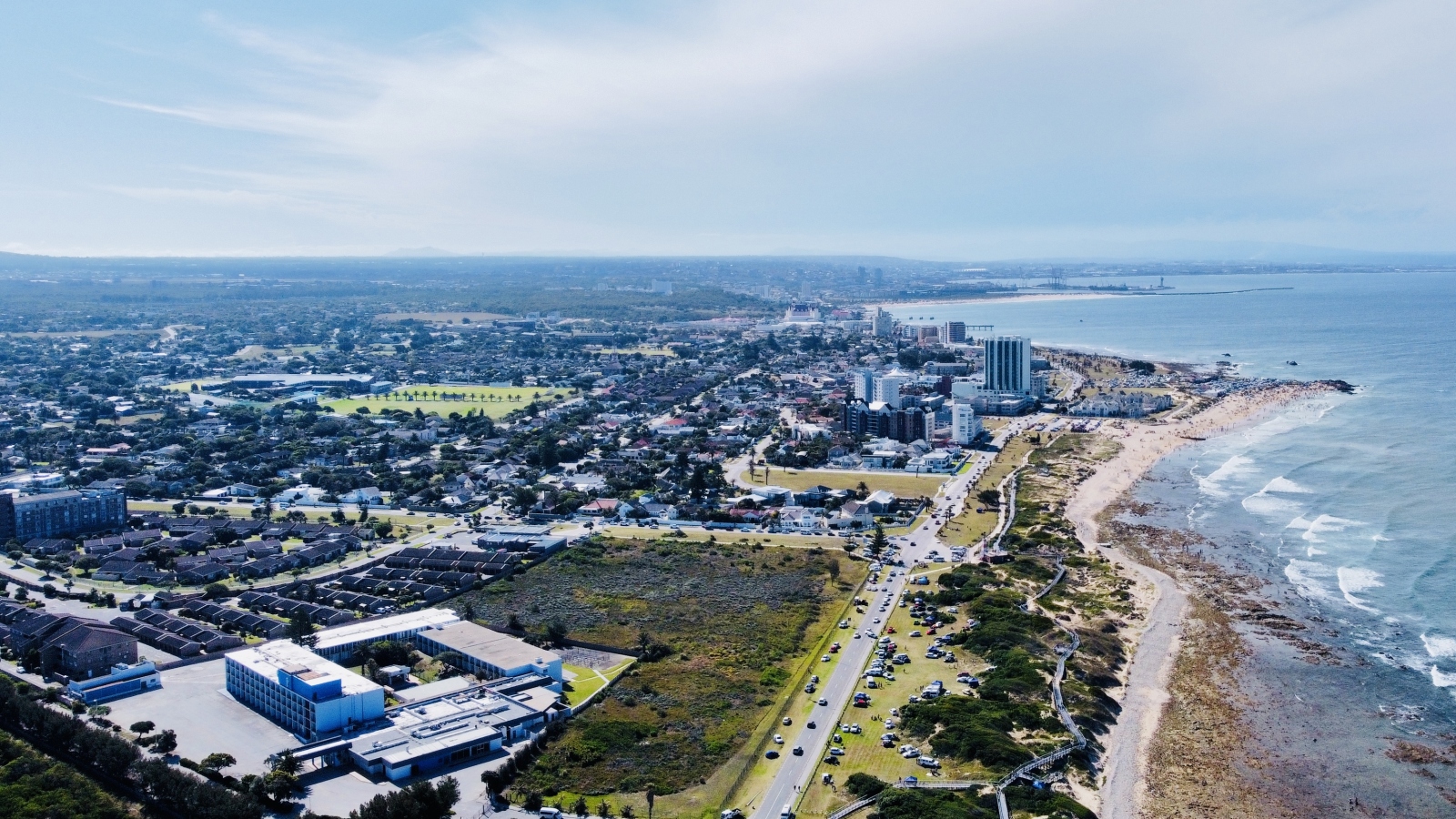
The Nelson Mandela Bay Municipality is in talks with the Chinese tyre company, the Sailun Group, to establish a tyre manufacturing and recycling facility at the Coega Special Economic Zone in the Eastern Cape.
The municipality’s Executive Mayor, Babalwa Lobishe, explained that a R2 billion investment was proposed during strategic engagements with the Coega Development Corporation (CDC) and Sailun Group.
Sailun is conducting feasibility studies to establish a production hub that will supply tyres to the Southern African Customs Union (SACU) and the broader sub-Saharan African market.
Lobishe revealed that the company had originally looked at other locations in South Africa, but that these plans ran into delays, and it is now looking at Coega.
The proposed site will cover 20 hectares with an estimated production footprint of 100,000 square metres.
During its first phase of operations, the factory is expected to produce over 1 million passenger car tyres and 300,000 bus and truck tyres per year.
It will also create about 200 direct jobs, increasing to 800 as the site expands and production capacity grows in line with local demand.




 Loading ...
Conversation
3 commentsLike most products in SA, overpriced and over taxed