
Petrol price tax relief sought for South Africa’s motorists


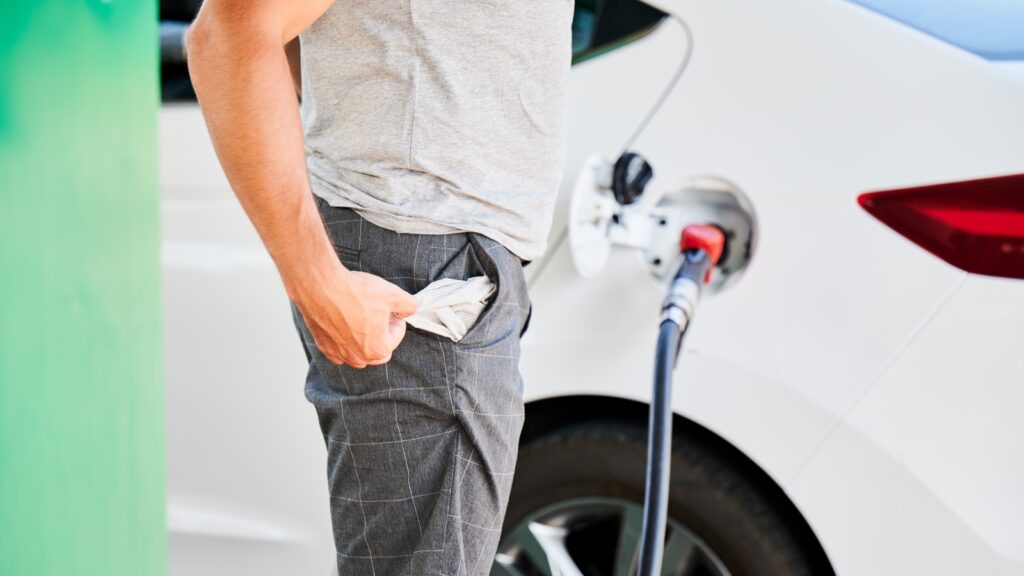
With petrol prices increasing on Wednesday, 2 September, the Public Servants Association (PSA) has called on the South African government to introduce tax breaks and shield motorists.
Petrol prices will increase by R1.34 per litre for both 93-octane and 95-octane petrol, while diesel prices will rise by between R2.94 and R3.15 per litre, depending on the grade.
As a result, the union, which represents 250,000 public servants, has said that South Africa’s workers cannot afford to absorb further petrol price increases, as salaries have not kept up with the rising cost of living.
It called for urgent measures to be implemented immediately, including tax relief and long-term structural changes to fuel prices.
Some of the PSA’s suggestions include:
- Reviewing the tax treatment of work-related travel
- Strengthening transport allowances
- Exploring targeted fuel-relief mechanisms for eligible workers
- Accelerating the implementation of affordable and reliable public transport
The union also called on the government to conduct a full-scale review of the current fuel pricing and taxation framework.
It noted that this would provide temporary relief when international oil price volatility and exchange rate movements cause massive fuel price fluctuations, particularly increases, as seen during recent months.
The union explained taxes should be adjusted to provide South Africans with relief, something the government proved can be done.
“The government previously demonstrated that intervention in the fuel-price structure is possible,” it said.
“Current circumstances, therefore, require political will and decisive action rather than expecting workers to absorb yet another increase.”
According to the PSA, the August fuel-price adjustment highlighted how levies can materially affect the final price consumers pay at the pump.
It added that this underlines the need for the local government to review all available policy instruments to ease pressure on workers without undermining South Africa’s fiscal sustainability.
The PSA explained that it is not calling for unsustainable subsidies or reckless expenditure; instead, it is merely asking for innovative, targeted, and sustainable solutions.
Fuel prices eating into workers’ disposable income

Rising petrol and diesel prices have a knock-on effect on all costs, increasing the cost of transport, food, and other household expenses, which has a cumulative effect on the overall cost of living.
The PSA explained that these increases represent a further erosion of disposable income, placing additional pressure on workers who rely on private vehicles to travel to and from work.
As a result, many are effectively paying to work, since transport costs eat into the little income they have.
Earlier in the year, the government intervened when the National Treasury removed R3.00 per litre from fuel levies in April and May 2026. However, these were added back in June and July.
While this temporary measure was meant to deliver immediate short-term relief, the Department of Mineral and Petroleum Resources (DMPR) said it will also review the local fuel price mechanism over the longer term.
The department will look into how industry margins are calculated in South Africa, including the calculation of wholesale margins, retail margins, secondary storage, and secondary distribution.
It must be noted that the process is expected to be completed only by March of next year.
Since fuel prices started to escalate in March 2026, following the onset of conflicts in the Middle East at the end of February, petrol and diesel prices are now close to R7 and R12 per litre higher, respectively.
This has affected the whole of South Africa’s economy, including consumer inflation, which is expected to return to 5%, and producer inflation, which is also expected to rise.
The South African Reserve Bank (SARB) is reviewing these factors and could still hike interest rates in September or November, which would compound pressure on households with debt.



 Loading ...
-2026.10.webp)


-2026.10.webp)

Conversation
2 commentsJust waiting for the Chery Q to launch then my daily ICE vehicle will be replaced.