


Since South Africa implemented the National Land Transport Amendment Act (NLTA), e-hailing operator Uber has operated without a legally required registration certificate.
The legislation took effect on 12 September 2025 and gave e-hailing companies 180 days to get a registration certificate from the National Public Transport Regulator (NPTR).
E-hailing drivers must also apply for individual operating licences, but can only do so once their respective platform has obtained its certificate.
As a result, Uber has operated illegally in South Africa for nearly six months, despite having submitted its application.
The NLTA has already recognised the e-hailing company’s rivals, including Uber, Bolt, InDrive, and Wanatu, as regulated public transport providers, enforcing certain safety and technical requirements on them.
By the time the 180-day deadline had passed, only two of these were registered, namely Bolt and Wanatu.
However, since then, Uber’s other rivals – InDrive and Maxim – have also obtained their relevant registration certificates.
According to Uber, it submitted its application “well before” the 180-day period had passed.
However, it has since emerged that the company only submitted its registration on 17 February 2026, leaving less than a month for the elaborate registration process.
The Department of Transport confirmed that Uber applied for registration in a gazette notice on 19 June 2026, which is the third step in the process.
Uber’s registration remaining outstanding after nearly seven months from its submission could suggest that the NPTR was not satisfied with the completeness of Uber’s initial submission.
The department has yet to issue any updates regarding Uber’s status or why it has not taken any legal action against the operator.
Our sister publication, MyBroadband, asked Uber for the latest status of its application to register with the NPTR, but it did not provide feedback by the time of publication.
E-hailers are being taken off South Africa’s roads
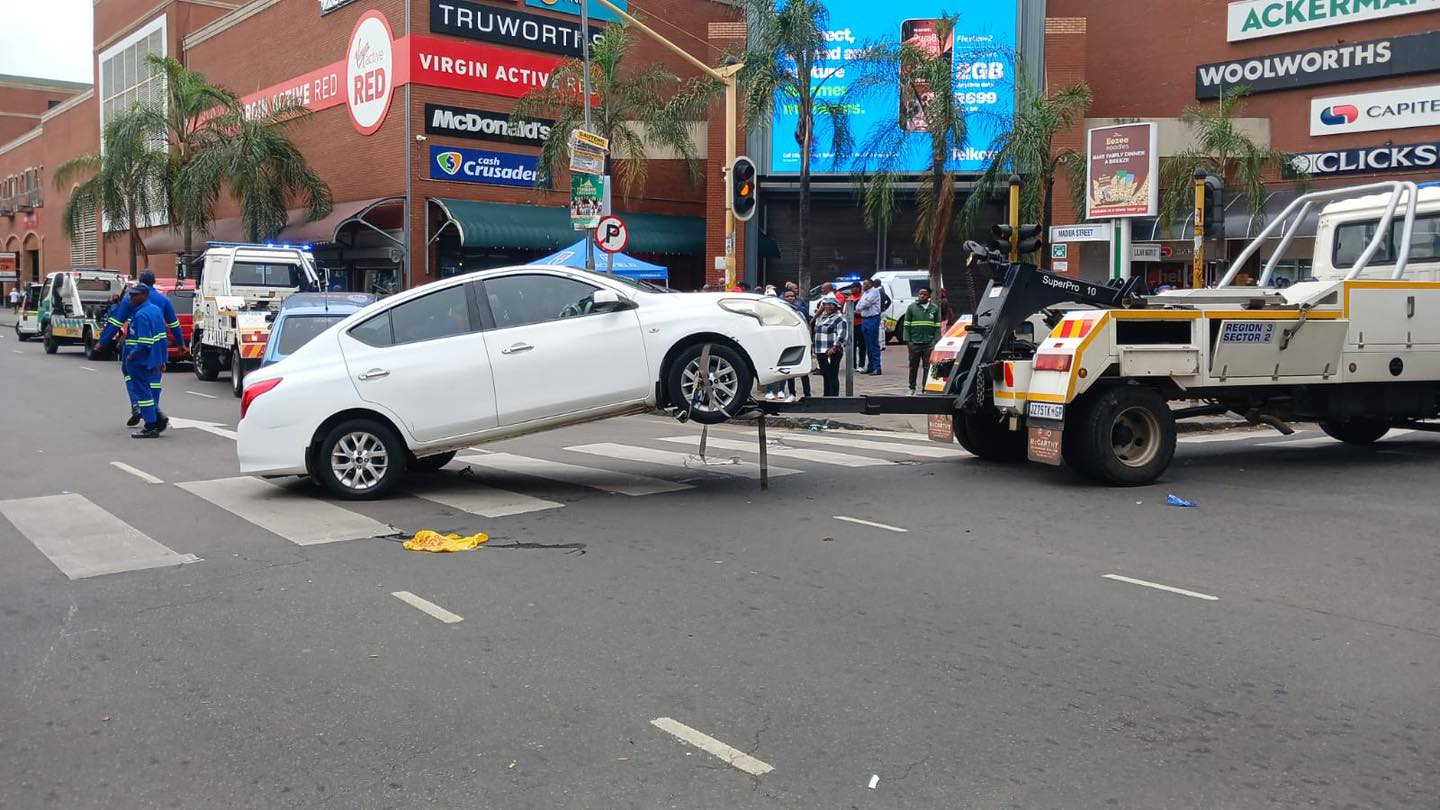
Last week, it was confirmed that e-hailing drivers operating in the North West capital of Mahikeng had to suspend their services after police impounded their vehicles.
These actions were part of the nationwide crackdown on e-hailing operators, following the implementation of South Africa’s new regulations.
The more than 35 cars impounded include sedans, seven-seaters, and minibus taxis, according to SABC News and were taken in because the drivers lacked the necessary operating permits.
Since then, some of the affected drivers have claimed that their livelihoods have been put at risk.
“They impounded our cars while dropping learners at school. So now we are forced to hire cars to fetch learners at schools, and per day it is R700,” one operator explained.
“The ticket I got, they wrote R3,500, and the other ticket is R1,750, and the last ticket is for impound, which is R5,000,” another operator explained.
As a result, drivers blockaded the entrance to the local traffic department, demanding the release of their cars since they could not afford the impoundment fee.
Drivers said that police demand to see their necessary operating permits, but these have proven nearly impossible to obtain.
The legal e-hailing permits have become a major source of frustration for e-hailing drivers operating in South Africa since they were implemented.
Despite this, the head of the North West Department of Transport, Hans Kenana, insisted that the cars would not be released without a permit.
He added that the police would not impound law-abiding, roadworthy cars, and explained that those drivers who have had their cars impounded must comply with existing legislation to get them back.




 Loading ...
-2026.10.webp)



-2026.10.webp)
Conversation
6 commentsRegulation, regulation and more regulation, yet daily I see taxis that won’t even qualify as a scrap metal running on the roads. These regulations are to protect who??