


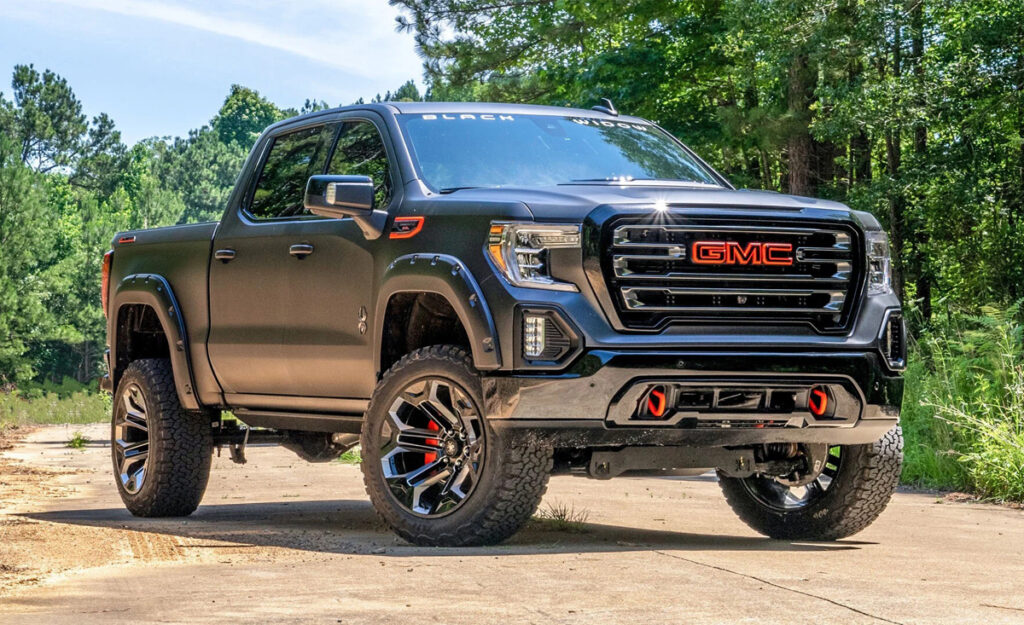
Benjamin Young’s recent wrangling on the used-car lot shows just how punishing America’s affordability crisis has become.
The Florida resident paid $30,000 (R487,000) for a Toyota 4Runner loaded with the features he wanted — but the SUV has been driven 90,000 miles (144,000km) and is 12 years old. In 2023, he bought a Toyota Venza with similar mileage for half that price.
“I’m definitely getting less for the money,” said Young, a 48-year-old process engineer near Jacksonville.
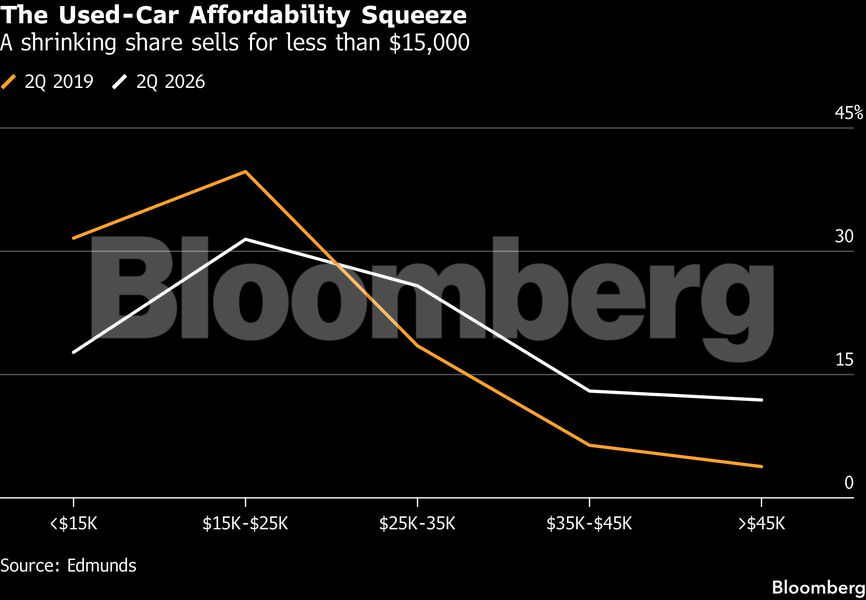
So are the millions shopping the pre-owned lots these days. A used car priced between $10,000 (R162,000) and $15,000 (R243,000) today is almost nine years old on average and has 98,000 miles (157,000km) on it, according to auto research site Edmunds.
In 2019, the same budget bought a car under five years old with about 58,000 miles (933,000km).
The squeeze starts with new cars, which are selling for record prices and eventually command hefty premiums when they hit the used market.
A new 4Runner now costs about twice what Young paid, while even a basic Honda Civic starts at $25,000 (R400,000).
For buyers on tighter budgets, that increasingly means settling for older, higher-mileage vehicles that are more likely to need repairs.
It’s the latest sign of how the traditional American dream is increasingly tougher to attain. Voters returned President Donald Trump to the White House partly on his vow to bring prices down.
But inflation has been back above 3% — the level when Trump took office — since the president went to war with Iran in late February, sending energy prices soaring.
US mortgage rates last week climbed to the highest level in more than a year, and consumer sentiment slid below estimates in September.
Polls show Democrats are leading in their bid to retake the House of Representatives in the November midterm elections and have a good shot at control of the Senate with Trump’s approval ratings lagging.
This week, the Federal Reserve raised interest rates, and investors are betting more hikes are in store to cool inflation.
That’s going to make borrowing even more expensive for Americans already grappling with a structural change in the car market.
For two decades leading up to the Covid-19 pandemic, new models were affordable and more buyers were leasing.
Competitive automakers pushed big rebates, cheap leases and 0% financing to ramp up sales. Those leases sent a parade of low-mileage cars to the used lots every year.
Problems with the supply chain during the pandemic hurt sales, but they taught auto companies a lesson: Producing fewer, high-priced models means better profits and rewards from stock investors.
After years of static share movement, General Motors and Ford Motor both have gotten investor attention in part with price-backed profit strength and raised earnings guidance this year.
In its second-quarter earnings release, GM boasted about its average vehicle sale price of $52,000 (R844,000) and sales incentives that are below most competitors.
Ford had similar results, saying net pricing helped lift its quarterly profit by $200 million.
GM is selling new versions of its Chevrolet Silverado and GMC Sierra pickups later this year. Since buyers pay more for redesigned models, GM Chief Financial Officer Paul Jacobson told investors at a Morgan Stanley investor event this month that “means there is pricing potential.”
While that may sound like “greedflation” — favoring big margins over winning new buyers — some of it is necessity, said Diane Swonk, KPMG’s chief economist.
Trump’s tariffs have cost automakers billions of dollars, and the war with Iran has increased energy costs, especially for diesel fuel that truckers need to ship parts and vehicles around North America.
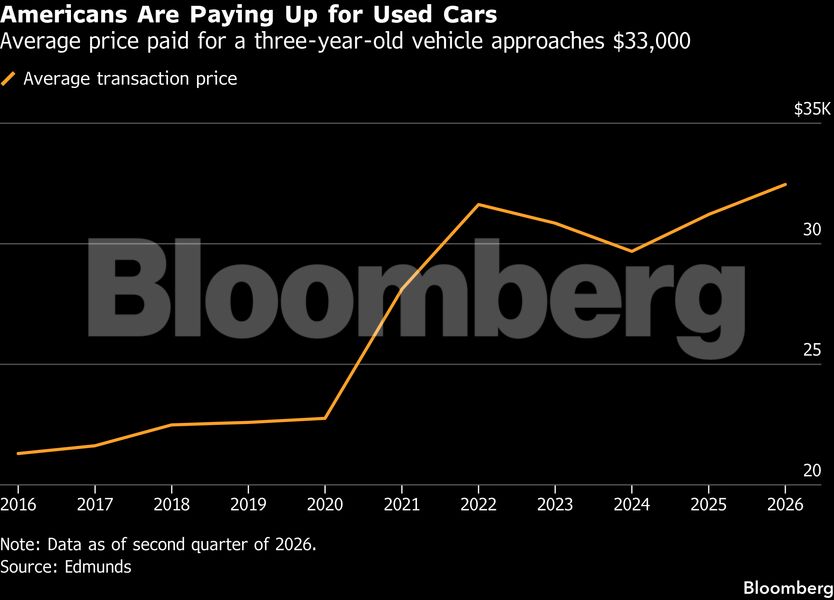
The average new car now sells for $50,000 (R811,000). With cars losing around 40% of their value after three years, the average used vehicle sells for more than $30,000 (R487,000).
In 2019, the sales price was about $20,000 (R324,000), says Edmunds.
Those inflated prices eventually land in the used-car market, which is getting lower inventories because of a drop in leases.
Before Covid, Americans leased about 4 million vehicles a year, most of which sold as used after three or four years.
This year, the industry is on pace to lease 2.5 million, which could tighten the used market for the foreseeable future, said Ivan Drury, director of insights at Edmunds.
He said automakers aren’t offering low-interest lease deals like they used to because the incentives are too expensive in the current interest-rate environment and so they prefer to sell vehicles.
“We just don’t have the churn,” said Swonk, the economist.
Used cars selling for less than $20,000 (R324,000) are tougher to find and have high mileage, and dealers have to fight to get them, said Rhett Ricart, who owns multiple dealerships in Columbus, Ohio.
“They’re like gold,” Ricart said. “They’re out there, but we have to pay record prices to get them.”
Competition is fierce for buyers, too.
It took Amy Hyken of Kansas months of scrolling through websites to find a used Lexus NX 250 under 50,000 miles (80,000km) going for $35,000 (R568,000).
But it was in Florida — she had to spend $800 and wait another two months to have it shipped to her home near Kansas City. She did manage to claw back the shipping fee since the delivery was delayed.
“It’s a thinner market than it was in the past,” said Hyken, 58, a child family therapist. “I’m paying more, and finding the car I want is harder.”
Then there’s the risk that cars with high mileage will need repairs shortly after purchase. While Young said he loves his 4Runner, he’s dealing with a fluid leak affecting the shocks.
Shops are quoting him prices in the thousands to fix the problem, and Young’s been bickering with his retailer to pay for it.
“It’s kind of the way of the world,” he said.




 Loading ...
-2026.10.webp)



Conversation
2 commentsBIG cars cost BIG money… Merika is BIG and need a mind shift to more affordable vehicles… They still drive BIG overpriced Fords and GM products… if you are stupid you must suffer!