
Good news for people who bought 2 of South Africa’s most popular bakkies


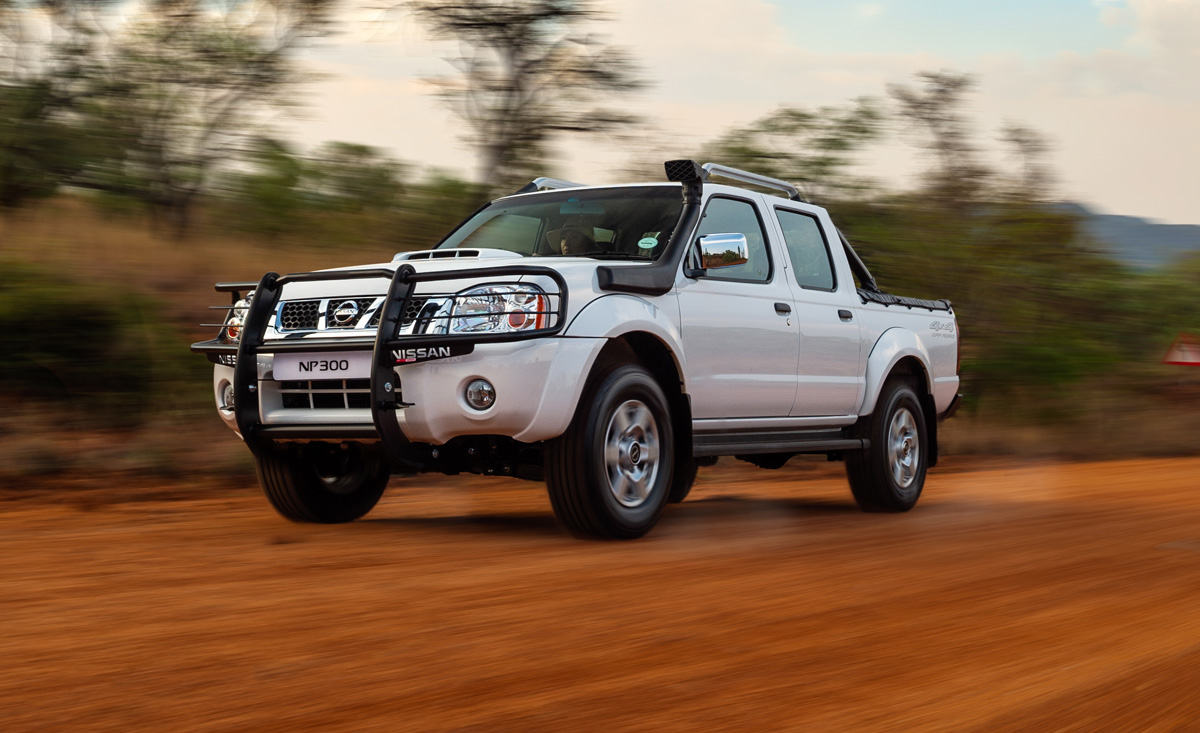
Nissan NP200 and NP300 Hardbody owners in South Africa can rest assured that, despite the Japanese automaker selling its local factory to Chery, it remains committed to supporting older models with new parts.
The Value Advantage Parts campaign was established alongside the Motor Industry Workshop Association (MIWA) to supply affordable service kits for older bakkie models.
These kits, which include filters and other related components, are available from Nissan dealers nationwide and MIWA’s network of independent workshops.
Juan Wheeler, Managing Director of Nissan South Africa, said that the new service campaign is proof that the Japanese giant remains fully committed to South Africa.
“We want to ensure that we support the owners of all our vehicles, including older vehicles that are beyond their mechanical warranty but still have many years of useful service left,” he said.
Despite Nissan ceasing production of the NP300 Hardbody in November 2021 and ending production of the NP200 in March 2024, the models remain popular in the local market.
Both have garnered a reputation for practicality, durability and reliability, especially for small and medium business owners in South Africa.
“At Nissan, we recognise that the true measure of a vehicle’s success is not only how it performs when new, but also how well it continues to serve customers over time,” said Freddie Louw, Aftersales General Manager at Nissan South Africa.
“Through our Value Advantage Parts programme and collaboration with MIWA, we are strengthening customer choice, improving accessibility and ensuring that owners of older Nissan vehicles can continue to maintain them with confidence and peace of mind.”
The kits and parts support the NP300 range and the full NP200 line-up, including 8-valve petrol workhorses, 16-valve models and the 1.5 dCi diesel models.
Nissan confirmed that the parts are validated, carry their own warranty and are supported by Nissan South Africa if they fail to meet the required specifications.
Nissan’s 60-year stay in South Africa has ended
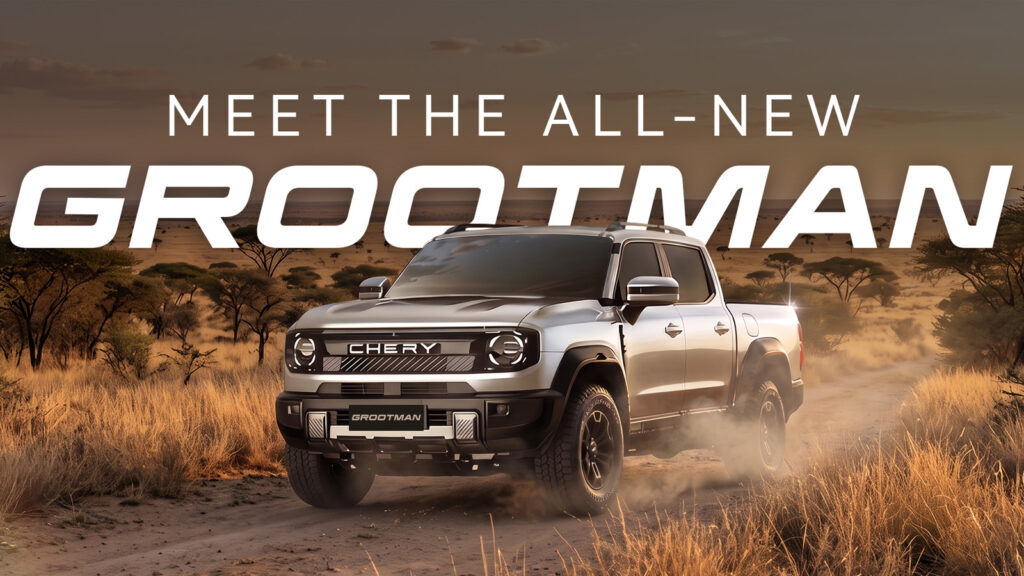
Chery took ownership of Nissan’s Rosslyn production plant in Pretoria in July, ending the Japanese brand’s more than 60-year stay in South Africa, with the Chinese giant planning to produce multiple vehicles.
This was not the first factory Nissan closed, after it shuttered two plants in Japan while refreshing its global offensive with new models.
The auto giant saw selling the Rosslyn plant as the best option to protect jobs and ensure the multi-billion-rand asset remains in use.
The sale marked the end of a major chapter for Nissan South Africa, which has a history dating back 60 years.
In 1966, the company began assembling vehicles from complete knock-down kits and established the plant in Pretoria by 1973 to produce vehicles like the NP300 Hardbody, the NP200, and the Navara.
The hugely successful NP300 Hardbody was produced until 2021, while the half-ton NP200 had a production run from 2008 until 2024.
In 2024, Nissan entered the minibus taxi sector, producing the NV350 Impendulo, while the current-gen Navara first rolled off the assembly line in 2021, following the discontinuation of the NP300 and a R3-billion investment.
Stopping production of its two most popular models so soon after one another spelt the beginning of the end for the brand in South Africa, since the NP200 and NP300 constituted nearly half of the brand’s sales.
According to Combined Motor Holdings’ (CMH’s) annual reports, structural changes from the manufacturer severely disrupted its sales volumes.
Data from the Automotive Business Council (Naamsa) revealed that March 2025 was the last time the Japanese carmaker outsold Chery in our market.
Nissan sold 2,303 units compared to the Chinese badge’s 1,902. Following that final victory, Chery has dominated Nissan’s local numbers before taking over its local manufacturing capacity.
As a result, Nissan has invested heavily in its car-manufacturing facilities in Egypt, as it looks to expand in other markets.



 Loading ...

-2026.10.webp)
