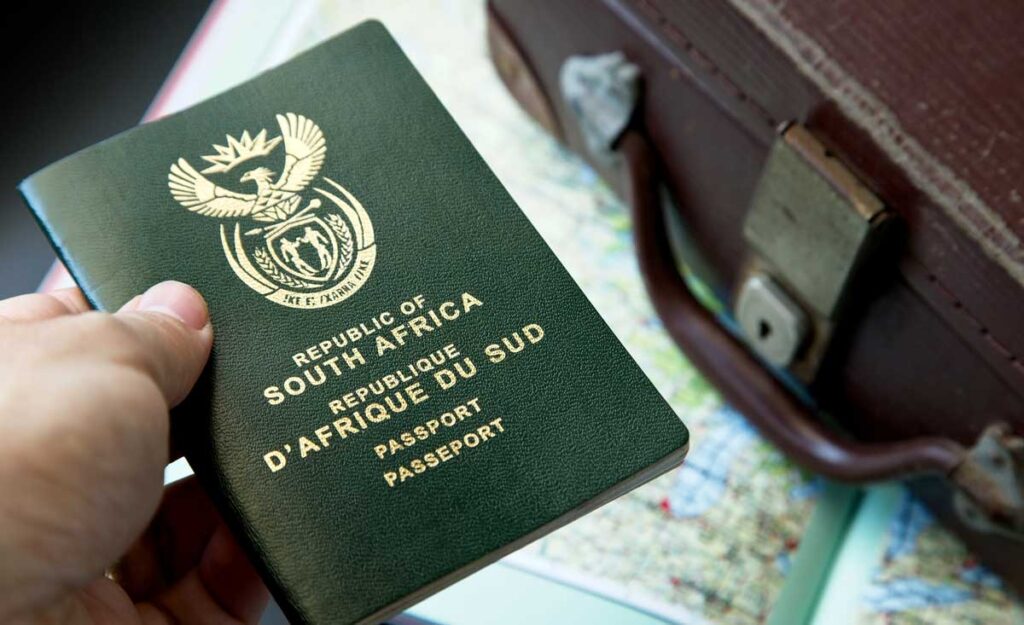
International travel is set to undergo a major overhaul as the global aviation industry transitions towards a new digital credential and biometric system, replacing the need for physical passports and boarding passes.
This is according to the International Air Transport Association, which conducted a global survey to gauge public opinions on their travel experiences.
The survey, which featured more than 10,000 responses from over 200 countries, found that over 80% of passengers were interested in using digital passports for online check-ins.
However, while there is a clear demand for this technology, which promises to make airport security and check-ins faster and more convenient, governments are struggling to deliver.
Linden Birns, managing director of Plane Talking, said that there was a notable gap between passengers’ willingness to use a digitised airport experience and governments’ ability to produce the desired results.
Global air travel is complicated by the fact that countries have different passport systems, travel authorisations, and visa requirements, making it difficult to create a “one-size-fits-all” digital travel credential that seamlessly integrates with existing restrictions.
Birns said that many countries had also failed to follow the passport recommendations laid out by the United Nations’ International Civil Aviation Organisation (ICAO), which sets international standards for aviation and travel documents.
The lack of consistency has created problems at airports, including situations where passengers attempt to use electronic immigration gates that cannot recognise passports issued by certain countries, BusinessTech reported.
Birns said this was the single biggest challenge facing the industry, and that countries would need to develop common standards and systems that can communicate with one another.
South Africa is ahead of the curve

Birns highlighted South Africa as an example of a country that was already taking steps to improve travel systems at its ports of entry.
The Department of Home Affairs (DHA), Border Management Authority, Airports Company South Africa (ACSA) and South African Revenue Service (SARS) are currently exploring options to modernise the country’s border process.
Earlier this year, Andy Smith, director of industry and innovation at the State Information Technology Agency (SITA), said the country was moving towards digital travel services.
“Where we’re getting to now is the ability for travellers to get a very positive idea that they are going to be able to travel through an airport, across borders, seamlessly and without having to present either their passport or their boarding pass.”
“You know that you’re going to have a seamless experience through the airport, and more importantly, when you get to your destination, you’re going to have a very simplified arrival experience.”
Birns said that the benefits of a digital travel system go well beyond eliminating the need for physical passports and boarding passes.
Digital travel and biometric credentials could eventually be used across a variety of services, including airport security, border controls, hotel check-ins and airline bookings.
However, this shift has also raised concerns about personal privacy and data security. Roughly 60% of respondents in the IATA survey said they were worried about biometric data breaches.
Birns noted that personal information could be stolen or shared with other organisations, and that governments would need to establish a framework to protect sensitive data.






 Loading ...