South Africans are buying 33% less petrol – but paying R950 more


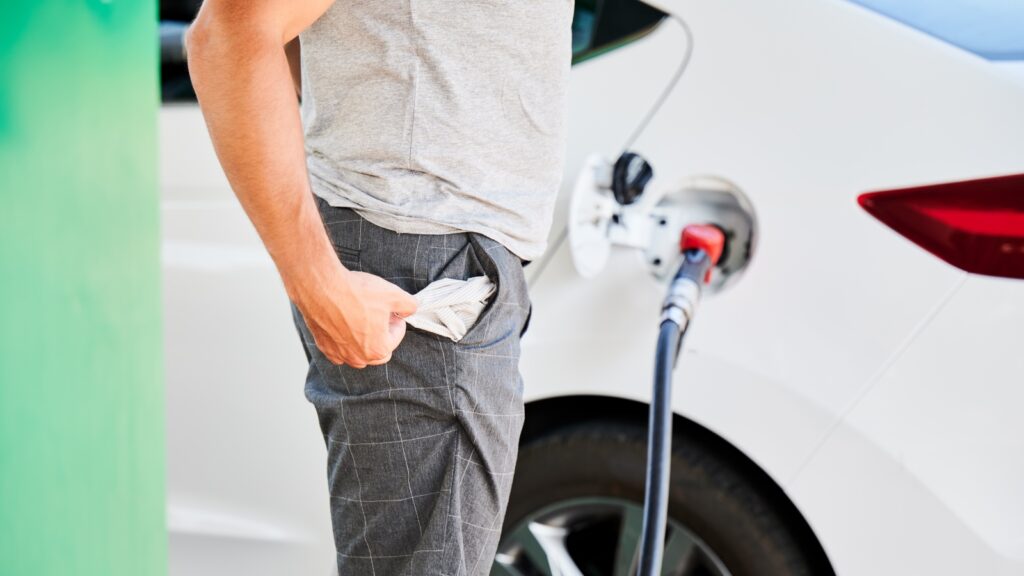
In response to South Africa’s sky-high petrol and diesel prices, motorists are significantly cutting down on their fuel purchases, buying smaller amounts more often, and slashing refills by up to a third.
This is according to Discovery Insure, which noted that fuel purchases among its clients fell 33% in volume in October after the fuel price increase pushed inland 95 unleaded petrol above R30 per litre for the first time.
“Motorists are clearly feeling the pressure of rising fuel prices and are becoming more deliberate about filling up,” said Robert Attwell, CEO of Discovery Insure.
“We are seeing more people buy smaller amounts of fuel, especially around price changes, as they look for ways to manage their spend.”
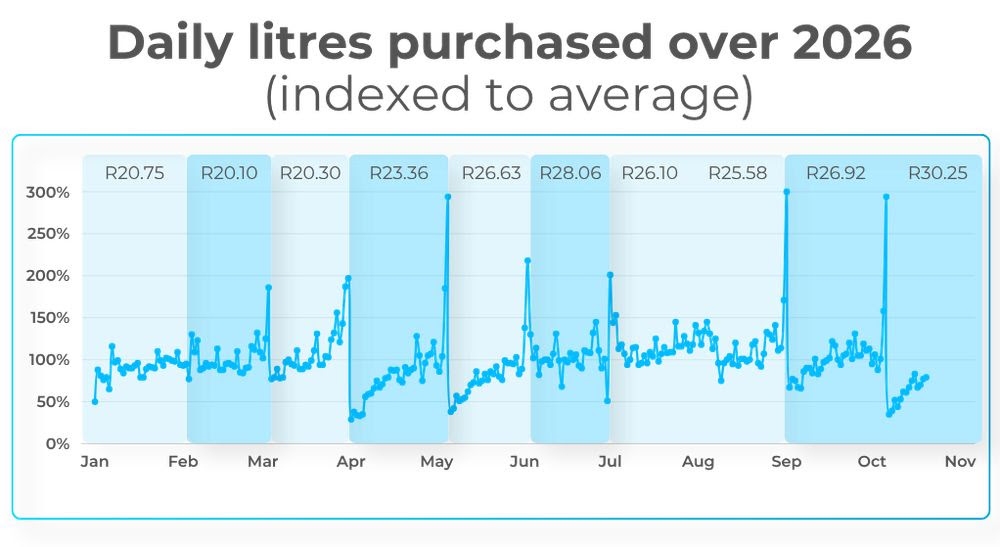
An analysis of fuel transactions and telematics data from more than 200,000 clients revealed the average amount purchased per transaction fell from about 36 litres to 31 litres in months with big price increases.
Purchases of less than 20 litres are increasing, accounting for around 36% of transactions in 2026, up from 25% in 2025, with these purchases accounting for nearly 40% of transactions around payday.
According to the Discovery data, monthly fuel expenditure rose from an average of R1,750 at the beginning of 2025 to between R2,500 and R2,700 by mid-2026, an increase of up to R950.
Telematics also show motorists visiting fuel stations more frequently ahead of the price increases, with average monthly visits rising from 2.4 to just over three, whether fuel prices are going up or down.
This suggests motorists are adjusting how they fill up in anticipation of price increases, rather than always rushing to fill up before an increase, even if some motorists still end up panic buying before higher prices take effect.
The insurer found that in October, fuel purchasing volumes surged by 300%, with diesel purchases up 400%, shortly before the month’s price adjustments took effect.
Driving behaviour remains unchanged

Despite motorists buying less fuel, Discovery Insure’s data showed everyday driving habits remained largely unchanged.
The data showed trips fell by 10% and kilometres travelled by 9% in April, while excluding Easter weekend driving shows trips and distances travelled were down 8%, and by May, motorists were travelling 9% less than before the increases.
“However, these reductions proved difficult to sustain as driving returned to normal levels shortly afterwards,” found the insurer.
“From June to September 2026, trips and kilometres travelled were slightly higher than the same period in 2025.”
After October’s fuel price increase, trips fell again by 6%, while kilometres travelled declined by 7%, with motorists cutting back on discretionary travel.
Discovery Insure’s data highlighted a 30% decline in long-distance trips during the winter months, while everyday commuting remained relatively the same.
It added that the findings align with those from SpendTrend26, which was a joint report by Discovery Bank and Visa.
The report identified fuel as an essential expense linked to daily routines, such as commuting to work, school runs, and errands.
Attwell added that there is a difference between buying less fuel and needing less fuel.
“Motorists can cut back on some discretionary trips, but getting to school and going about their daily lives isn’t optional,” he said.
The Discovery Insure CEO added that, for many households, transport isn’t an expense they can simply cut




 Loading ...