India is set to open applications for its flagship policy offering lower import duties to global electric vehicle makers in exchange for manufacturing in India, people familiar with the matter said.
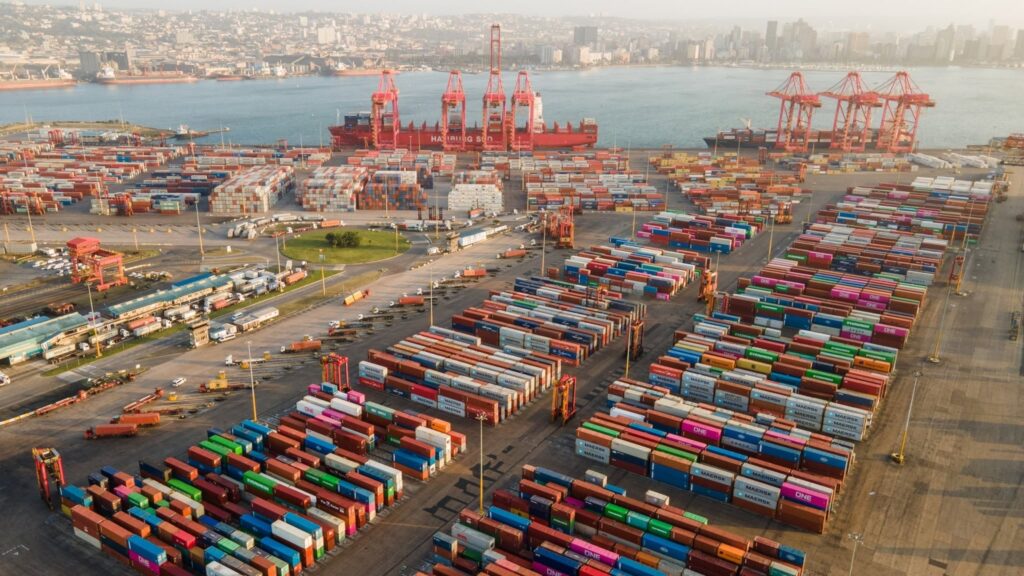
India is a key manufacturing market that supplies a significant portion of all the vehicles imported to South Africa.
Nearly all Suzuki models sold in South Africa are sourced from the sub-continent, and several other companies such as Toyota, Hyundai, Honda, and Citroen also import their affordable models from India to sell here.
The policy, that was announced in March 2024, offers to slash duty to 15% on any imported electric car priced from $35,000 (R627,000) if they invest at least 41.5 billion rupees, or about $500 million (R8.9 billion), to set up a local plant within three years.
Up to 8,000 cars yearly can be imported at this reduced rate.
Applications for this may open as early as this month and extend till March 15 next year, according to people familiar with the discussions who did not want to be named.
The third-largest Asian economy is seeking to lure EV makers like Elon Musk-led Tesla, which is gearing up to start selling its cars to India after criticizing the country’s high duties regime for years.
India is still a market hotspot for EVs while demand is mellowing in other parts of the world.
The new policy, if it draws industry giants, will also intensify competition for local automakers who currently dominate the EV segment.
While the broad outline is in line with what was announced last year, the people added that certain conditions have been tightened now with the Narendra Modi government to weed out non-serious players.
India has increased financial eligibility, mandating a minimum revenue requirement of 50 billion rupees (R10 billion) in the fourth year and 75 billion rupees (R15 billion) a year later for any applicant approved under the policy.
Those falling short will face a penalty of up to 3% on the revenue gap.
India’s Ministry of Heavy Industries did not immediately respond to an email seeking comments.


 Loading ...
-facelift-2-2025.10.webp)
-2025.11.webp)